The acute humanitarian catastrophe unfolding in the Gaza Strip has worsened significantly, leaving a substantial proportion of the population without access to clean drinking water, adequate sanitation, and essential hygiene services. A report released by the United Nations Office for the Coordination of Humanitarian Affairs (OCHA) has exposed the compounding strain on the enclave’s remaining infrastructure, which has brought municipal utility systems to near-total collapse.
Data compiled by OCHA indicates that upwards of 1.3 million residents—representing more than half of Gaza’s entire populace—are attempting to survive on under six litres of water per person each day for basic drinking and culinary purposes. This figure falls dramatically short of established international emergency standards, which dictate that an individual requires a bare minimum of 15 litres daily to cover essential survival, cooking, and personal hygiene requirements during a crisis.
Severe Constraints on Everyday Consumption
The deficit extends beyond the most severely impacted cohort. A further 700,000 individuals, accounting for over one-third of the territory’s population, are receiving fewer than nine litres of water per head on a daily basis. The United Nations agency underscored that such severe constraints render the maintenance of standard personal hygiene, domestic cleanliness, and proper childcare virtually impossible for hundreds of thousands of displaced families.
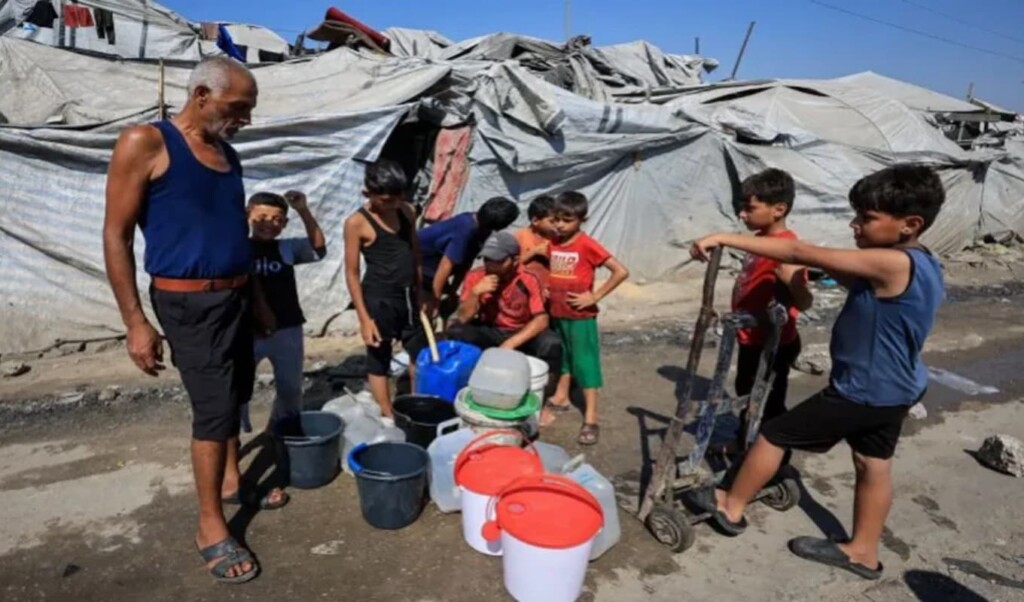
Collection hubs throughout the region are severely congested, with queues forming for hours every day. The situation is further complicated by an acute scarcity of water containers and jerricans among displaced households. As a consequence, young children are regularly required to transport heavy water vessels over long distances back to informal shelters and tented settlements.
Reliance on Tankers and Growing Health Hazards
Currently, three out of every four people in Gaza depend entirely on mobile water delivery trucks for their daily needs. Over the preceding month, international aid organisations managed to distribute water to more than 2,500 designated delivery hubs and over 100 shelter facilities accommodating displaced populations. Nevertheless, persistent fuel restrictions, widespread physical destruction of water mains, and power outages continue to restrict the volume of aid delivered.
In addition to the shortage of drinking water, environmental health conditions across the strip have reached a precarious state. OCHA confirmed that merely half of all households retain access to basic sanitation or private toilet facilities. Concurrently, more than 900,000 people face heightened public health risks due to the accumulation of uncollected solid waste in close proximity to residential quarters and temporary refugee camps, substantially raising the threat of waterborne disease outbreaks.