Sunday, 5th April 2026

Khabor Wala Desk
Published: 12th February 2026, 4:55 AM
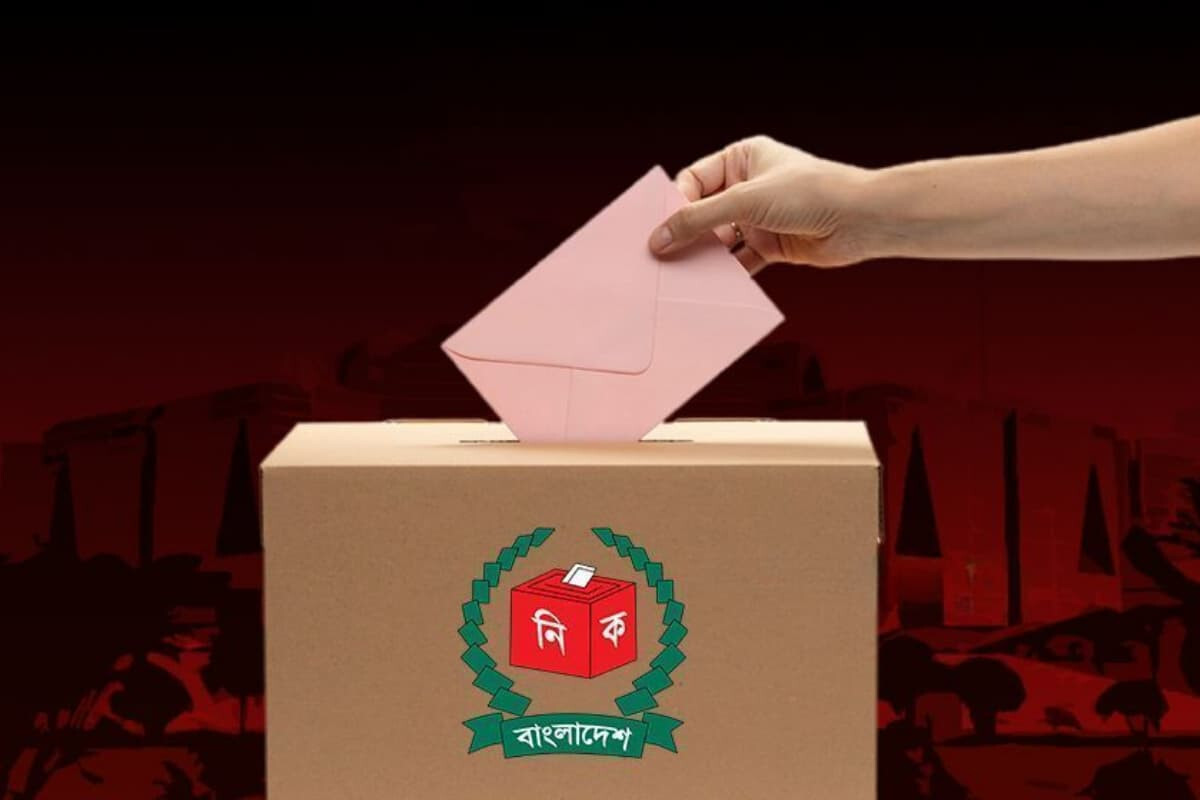
Bangladesh is set to witness a landmark 13th parliamentary election, held concurrently with a nationwide referendum for the first time in the country’s history. Compared to the previous twelve elections since independence, this poll carries heightened significance, as political analysts suggest it could chart a new course for the nation’s democratic processes.
In the wake of recent political tensions, there is widespread hope among citizens for a free, fair, and peaceful election. Observers highlight the growing influence of previously underrepresented voter groups. Young voters aged 18–35 are widely regarded as the election’s “kingmakers,” capable of tipping the balance in tightly contested constituencies. Likewise, women, who constitute nearly half of the electorate, along with minority communities, are expected to play decisive roles. Even traditionally silent grassroots supporters of banned or marginalised political parties may determine outcomes through their discreet voting.
Silent voters are defined by their tendency to withhold public political preferences until casting their ballots, making them a crucial determinant of electoral results. Their choices are often unpredictable and can sway marginal contests, especially in constituencies with no clear frontrunner.
The following table summarises key voter groups and their estimated numbers:
| Voter Group | Estimated Number | Notes |
|---|---|---|
| Total voters | 127,711,793 | – |
| Women voters | 62,885,200 | Nearly half of all voters |
| Young voters (18–35 years) | 50,000,000 | Considered primary “kingmakers” |
| Minority community voters | 10,000,000+ | Not formally aligned with any major party |
| Grassroots Awami League supporters | 5–6 million | Typically vote silently |
Political analysts note that young voters tend to prioritise candidate quality and local development issues over party loyalty. Women’s votes, particularly from those less active in formal politics, may significantly influence results. Minority voters are especially pivotal in sensitive or closely contested constituencies.
Election expert Dr Abdul Alim emphasised, “Candidates who secure the support of young voters are likely to emerge victorious. Their choices will largely determine the final outcome.”
Recent analyses indicate that this election could hinge on marginal differences, with silent voters shaping the democratic future of Bangladesh. Their influence underscores the evolving nature of political participation in the country and highlights the critical importance of engaging previously overlooked voter segments.

Comments