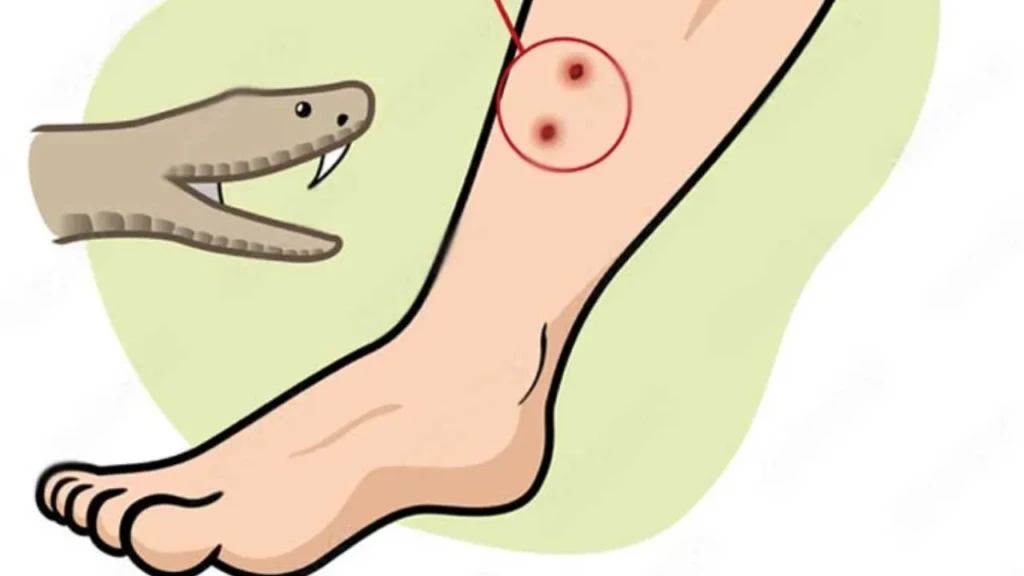
Heavy rainfall, flash floods and overflowing hill streams have led to a sharp rise in snakebite incidents across several flood-affected areas of Chattogram, where venomous snakes have been forced out of their natural habitats and into residential neighbourhoods. Health authorities say at least 75 people have been bitten by snakes since the flooding began, although no deaths from snakebite have been reported so far.
Residents in some of the worst-affected communities, particularly in Banshkhali Upazila, say the growing presence of snakes has become one of the most alarming consequences of the floods. As floodwaters continue to surround homes and agricultural land, snakes seeking dry ground are increasingly entering houses, kitchens and courtyards, leaving many families fearful, especially after dark.
Kader, a resident of Saral Union in Banshkhali, described the situation as unprecedented. He said floodwater had submerged the area around their homes, allowing snakes to move close to residential buildings. The constant fear of encountering a snake has made even routine activities such as sleeping or walking around the house extremely stressful. He added that local people had never experienced such conditions before and were struggling to cope with both the floodwaters and the threat posed by snakes.
The rise in snakebite cases comes as Chattogram continues to deal with the wider humanitarian impact of severe monsoon weather. According to the Chattogram District Relief and Rehabilitation Office, 13 people have died as a result of heavy rainfall, flooding, landslides and wall collapses across the city and the upazilas of Rangunia, Sitakunda, Raozan, Anwara, Hathazari, Satkania and Banshkhali. The victims include six children, four men and three women.
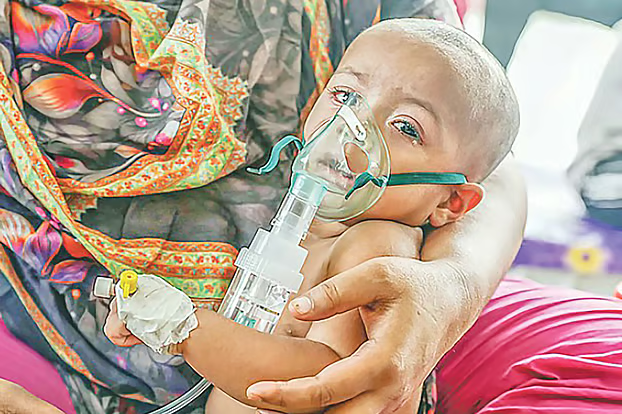
Health officials say hospitals and emergency medical teams have remained on high alert throughout the disaster. Data from the Chattogram Civil Surgeon’s Office show that 90 people have received treatment in hospitals for flood-related injuries. Of these, 75 were treated for snakebites, two were injured in landslides, two suffered injuries in wall collapses and 11 were hurt in other flood-related incidents.
The distribution of snakebite cases highlights the widespread impact of the flooding across the district. Patiya has recorded the highest number of cases, followed closely by Boalkhali and Raozan.
| Upazila | Reported Snakebite Cases |
|---|---|
| Patiya | 22 |
| Boalkhali | 20 |
| Raozan | 14 |
| Hathazari | 8 |
| Rangunia | 3 |
| Satkania | 3 |
| Chandanaish | 3 |
| Lohagara | 2 |
| Total | 75 |
Dr Jahangir Alam, Civil Surgeon of Chattogram, said that as of Saturday, 90 people had received hospital treatment for injuries linked to the flooding and extreme weather. He confirmed that 75 of those patients had been treated for snakebites and emphasised that, despite the high number of cases, no snakebite-related fatalities had been recorded.
He said all affected upazila health complexes had been supplied with anti-venom and other essential medicines to ensure timely treatment. Special medical teams have also been deployed across flood-hit areas to provide emergency healthcare, distribute oral rehydration salts, water purification tablets, paracetamol and other essential medicines, and monitor public health conditions.
The flooding has also damaged healthcare infrastructure. According to the Civil Surgeon’s Office, 24 community clinics in Satkania and another 16 in Banshkhali have been affected. Floodwater had entered the Upazila Health Complexes in Satkania, Banshkhali and Boalkhali, although water levels have since receded.
Medical teams continue to visit remote and isolated communities to provide treatment and essential supplies. Health officials have also instructed emergency responders to prioritise the safe transport of pregnant women and critically ill children to hospitals by boat wherever necessary.
The Health Department has urged residents in flood-affected areas to remain vigilant. People have been advised to exercise particular caution when moving around at night, check submerged areas with a stick before stepping into floodwater, and seek immediate medical treatment if bitten by a snake. Officials have also warned residents against relying on traditional healers or superstitious practices, stressing that prompt hospital treatment and the timely administration of anti-venom remain the most effective way to prevent serious complications and save lives.