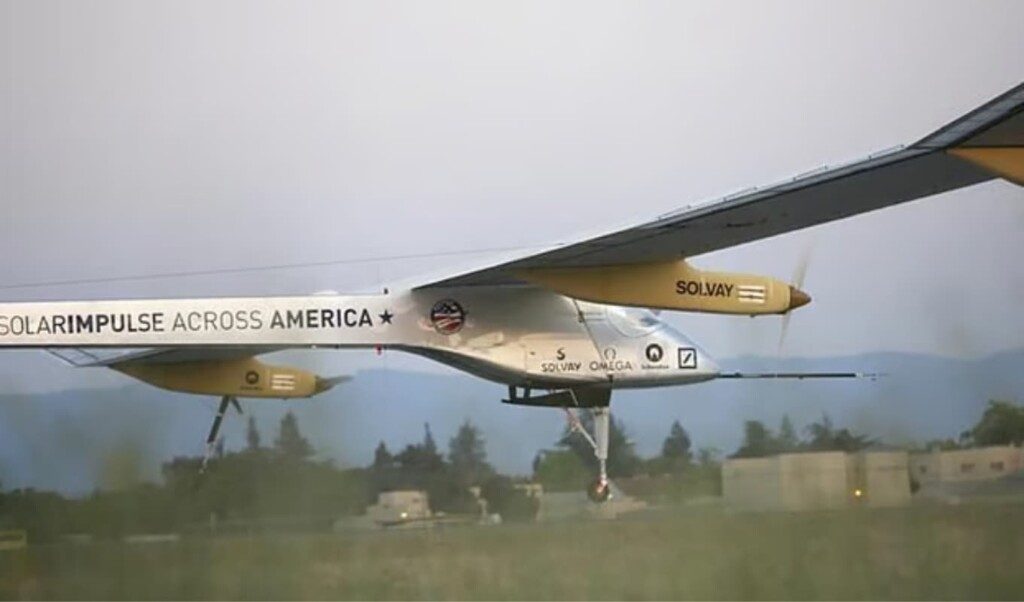
Circumnavigating the globe in an aeroplane without a single drop of conventional fuel was once relegated to the realm of science fiction. However, humanity has turned this seemingly impossible dream into reality by harnessing the raw power of the sun. This extraordinary expedition, undertaken by the Solar Impulse 2, represents a monumental leap in aviation history and offers a compelling glimpse into a sustainable, eco-friendly future.
In July 2016, the Solar Impulse 2 touched down in Abu Dhabi, United Arab Emirates, marking the triumphant conclusion of its epic journey. According to reports from the World Economic Forum and Reuters, the groundbreaking aircraft travelled approximately 40,000 kilometres entirely devoid of fossil fuels, establishing a new milestone for clean aviation. While the historic voyage spanned 16 months, the aeroplane spent roughly 500 hours actively navigating the skies. The primary objective of this multi-million-pound mission was not to immediately launch commercial solar-powered flights. Rather, it was designed to unequivocally demonstrate that advanced engineering, ultralight materials, and renewable energy could be utilised to traverse vast global distances.
The ambitious expedition commenced on the 9th of March 2015 from Abu Dhabi. Rather than attempting an uninterrupted flight, the mission was strategically divided into 16 distinct legs across continents and oceans. Throughout the journey, the crew encountered extreme and unpredictable weather conditions. The necessity to wait for optimal flying weather and clear skies meant that the entire circumnavigation required well over a year to successfully complete.
From an engineering perspective, the Solar Impulse 2 is a marvel of modern innovation. It operated entirely on electricity generated by sunlight. The aircraft’s wings were equipped with more than 17,000 photovoltaic solar cells, which meticulously collected energy throughout the day. Any surplus electricity was stored in high-capacity lithium polymer batteries, ensuring that the four electric engines remained fully operational even during the darkest hours of the night. Remarkably, whilst the aeroplane boasted a wingspan wider than that of a Boeing 747, its overall weight was comparable to that of a standard family car. This unique combination of a massive wingspan and a remarkably lightweight structure allowed the aircraft to remain airborne using minimal power.
Prioritising energy efficiency over raw speed, the aeroplane maintained a maximum velocity of merely 90 kilometres per hour and reached altitudes of up to 9,000 metres. Swiss pioneers Bertrand Piccard and André Borschberg took turns piloting the single-seat aircraft. Enduring lengthy, multi-day solo flights across the vast expanses of the Pacific and Atlantic oceans required immense mental fortitude alongside rigorous technical preparation.
Mission Specifications & Key Statistics
| Parameter | Mission Data |
| Aircraft Name | Solar Impulse 2 |
| Pilots | Bertrand Piccard & André Borschberg |
| Departure/Arrival Point | Abu Dhabi, United Arab Emirates |
| Start Date | 9 March 2015 |
| Completion Date | July 2016 |
| Total Distance Travelled | Approximately 40,000 kilometres |
| Total Flight Time | Approximately 500 hours |
| Flight Legs (Stops) | 16 |
| Solar Cells | Over 17,000 |
| Propulsion System | 4 electric engines |
| Maximum Speed | 90 kilometres per hour |
| Maximum Altitude | 9,000 metres |
Reflecting on the monumental experience, Bertrand Piccard noted the psychological demands of the journey. He emphasised that crossing colossal oceans required the development of a resilient mental attitude, not merely reliance on the aircraft or its technology. For the Solar Impulse team, this triumph extended far beyond aviation; it served as a powerful demonstration of how innovative technologies can drastically reduce carbon emissions in everyday life. Piccard expressed optimism that within the next few years, the aviation industry will witness the introduction of electric aeroplanes capable of carrying up to 50 passengers on short- to medium-haul commercial routes.
The historic landing in Abu Dhabi did not signal the end of the initiative. Instead, Piccard and Borschberg established a comprehensive programme to further the global expansion of renewable energy technologies. They committed to advising governments on the implementation of eco-friendly practices and spearheaded the formation of an international council dedicated to clean technologies. For these visionary explorers, completing the world tour was never the final destination, but rather the dawn of a new era in the utilisation of clean energy.