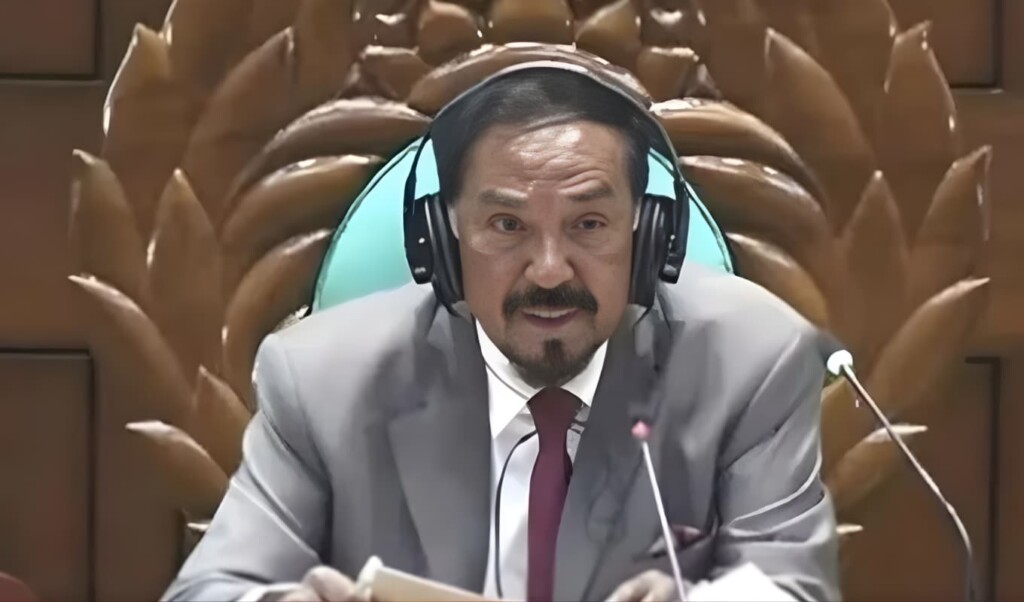
Speaker of the Jatiya Sangsad, Hafiz Uddin Ahmed, has expressed profound dissatisfaction regarding the absence and delayed arrival of ministers during parliamentary sessions. On Monday, 27 April, during a plenary sitting, the Speaker asserted that no other state duty should take precedence over the proceedings of the Parliament. He emphasised that when Members of Parliament (MPs) deliberate on local development issues and grievances, it is the duty of the relevant ministers to be present, listen attentively, and record the necessary details.
Disruptions to Parliamentary Proceedings
The session on Monday was marked by significant disruptions to the scheduled order of business. Two critical public interest notices were delayed for approximately one hour because the Minister for Home Affairs and the Minister for Road Transport arrived late to the chamber. These delays hindered the timely resolution of legislative matters.
Further procedural confusion arose before the Maghrib prayer break during the discussion on the President’s speech. When the Speaker called upon MP Lutfuzzaman Babar to deliver his address, the member informed the House that he had not requested a time slot for that day.
In response to this discrepancy, Speaker Ahmed addressed Chief Whip Nurul Islam, presenting a list of speakers provided by the Whip’s office. The Speaker noted that despite receiving lists—both printed and handwritten—it was frequently difficult to find the listed speakers present in the chamber.
Justifications for Low Attendance
Chief Whip Nurul Islam clarified that the Whips had consulted with all members included in the day’s list, specifically mentioning that Whip Mia Nuruddin Ahmed (Apu) had spoken with Mr Babar. He attributed the lack of enthusiasm among speakers to the absence of the Prime Minister, describing her as the “heart of the Parliament.” He explained that many MPs prefer to deliver their speeches only when the Prime Minister is in attendance.
The Speaker expressed particular irritation upon observing that only three ministers were seated in the front row. He directed the Chief Whip to formally request ministers to attend sessions, particularly when MPs are discussing the poor condition of infrastructure, such as roads and hospitals in their respective constituencies. This directive received vocal support from opposition members, who thumped their desks in approval.
Summary of Key Incidents and Responses
| Event/Issue | Speaker’s Observation | Official Response/Justification |
| Ministerial Delays | Delayed Home and Road Transport Ministers. | Notices settled one hour behind schedule. |
| Speaker List Errors | Listed speakers were absent or unaware. | Whips claimed prior consultation with members. |
| Front Row Vacancy | Only three ministers present in the front row. | Many ministers away on a state visit with the PM. |
| General Attendance | Lack of engagement from listed speakers. | PM’s absence reduced member motivation. |
| Recording of Debates | Emphasis on ministerial attention. | Speeches are recorded for the Prime Minister. |
Concluding Directives
Chief Whip Nurul Islam Moni later clarified that while front-row attendance was thin due to several ministers accompanying the Prime Minister on an official foreign visit, approximately thirty ministers and state ministers were present in the second and third rows. He assured the House that all speeches were being recorded and would be relayed to the Prime Minister.
Speaker Hafiz Uddin Ahmed reiterated that the presence of ministers holding critical portfolios—such as Health and Communications—is highly anticipated by MPs. He urged ministers to demonstrate greater accountability to uphold the dignity of parliamentary debates aimed at alleviating public suffering. The Chief Whip concluded by promising to convey the Speaker’s stern message to the absent cabinet members.