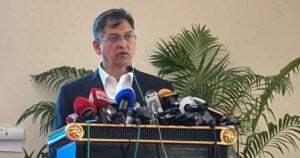
Iran has issued a decisive warning regarding the geopolitical dynamics of the Middle East, declaring that the strategically vital Strait of Hormuz will never revert to its pre-war operational status. The assertion was made by Ali Nikzad, Deputy Speaker of the Islamic Consultative Assembly (the Iranian Parliament), according to a report published by the state-run Mehr News Agency.
Addressing lawmakers during a parliamentary session on prevailing regional developments, Nikzad highlighted the shifting power dynamics along the crucial maritime corridor. He stated that during the recent conflict, the Islamic Republic attempted to convey to its adversaries that conditions in the Strait of Hormuz had fundamentally changed.
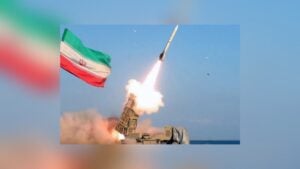
The parliamentary leader noted that hostile powers had initially dismissed Tehran’s warnings, but insisted that time serves as the ultimate instructor for those misjudging the reality on the ground. He maintained that the firm posture and readiness of Iran’s armed forces have now forced American and Zionist forces to recognise that military options cannot force the waterway open. According to Nikzad, foreign powers must ultimately bow to the newly established security framework in the region.
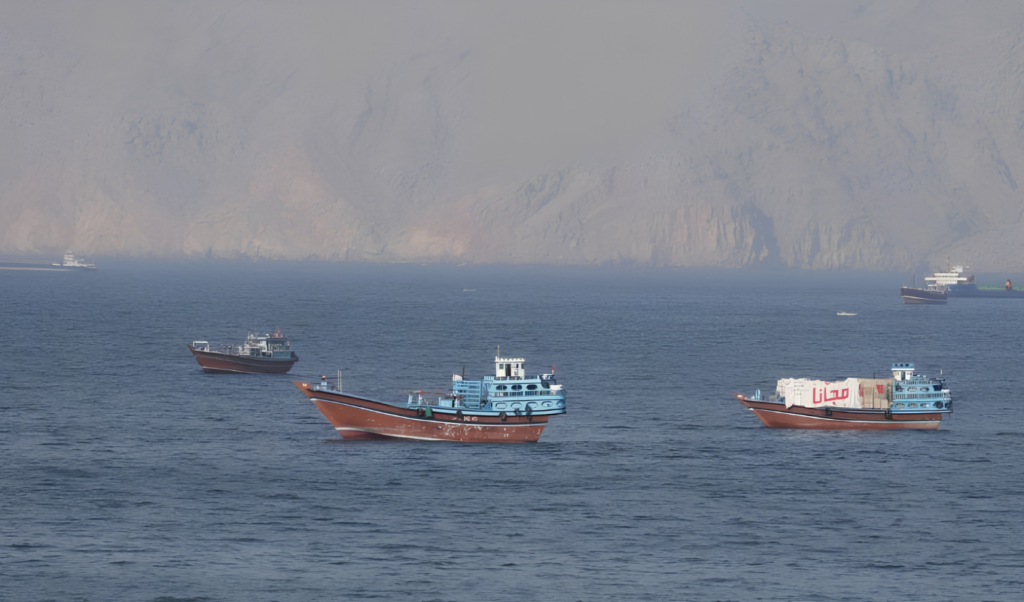
The Strait of Hormuz, a narrow waterway connecting the Persian Gulf with the Gulf of Oman, remains one of the world’s most critical chokepoints for global energy transport. A significant portion of the world’s seaborne crude oil and liquefied natural gas passes through the passage daily, making any shift in its governance or security posture a matter of intense international concern. Tensions across the waterway have frequently spiked during periods of confrontation between Iran, the United States, and regional allies.
Turning to domestic matters, Nikzad concluded his address by outlining the immediate focus of the Iranian administration. He emphasised that while military readiness remains paramount, the government’s overriding priority is tackling pressing internal economic challenges and alleviating the financial burdens facing the Iranian public.