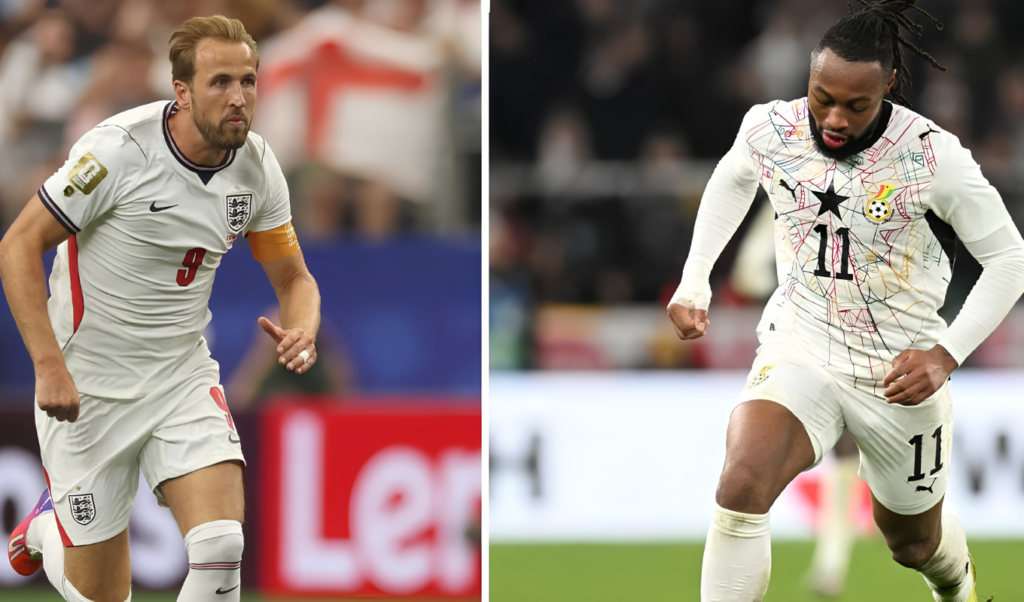
The upcoming World Cup fixture between England and Ghana presents a critical tactical encounter in the group stage. Having both secured maximum points from their respective opening fixtures, this match will serve as a decisive factor in establishing the leadership of the group table.
Opening Match Performance and Statistical Analysis
In their debut fixture of the tournament, England faced Australia and secured a comprehensive 3–0 victory. The goals were registered by captain Harry Kane, winger Bukayo Saka, and midfielder Phil Foden, who scored after being introduced as a second-half substitute. Statistically, England dominated the match, maintaining 65 per cent ball possession and executing a significantly higher number of shots on target compared to their opponents. With three points and a goal difference of +3, England currently occupy the top position in the group.
Conversely, Ghana contested their opening match against Mexico. Despite conceding early and falling behind, Ghana inverted the scoreline to claim a 2–1 victory through highly effective counter-attacking manoeuvres. Mohammed Kudus and Iñaki Williams scored the two goals for Ghana. This result leaves Ghana level with England on three points, trailing closely behind in the standings strictly on account of goal difference.
A comparative review of both teams’ performances from their opening matches is outlined below:
| National Team | Opening Opponent | Match Result | Verified Goalscorers | Points Registered | Ball Possession |
| England | Australia | 3–0 (Win) | Harry Kane, Bukayo Saka, Phil Foden | 3 | 65% |
| Ghana | Mexico | 2–1 (Win) | Mohammed Kudus, Iñaki Williams | 3 | Not Disclosed |
Squad Dynamics and Tactical Approaches
The English national team enters this fixture with a balanced squad structure that integrates veteran international experience with youth. Under the leadership of Harry Kane, the squad relies on the technical proficiency of Jude Bellingham, Phil Foden, and Bukayo Saka. Tactically, England’s methodology prioritises sustaining high levels of ball possession, utilizing methodical passing sequences to control the tempo of the game, tire out opposition structures, and minimize defensive errors.
In contrast, Ghana’s tactical framework leverages physical strength and rapid transition play. The attacking line, spearheaded by the pace of Mohammed Kudus, focuses on exploiting spaces left by advancing opponents. Ghana’s primary strategy relies on a disciplined defensive structure that swiftly transitions into high-velocity counter-attacks the moment an opposition mistake is detected.
Head-to-Head Historical Context
Historical data confirms that encounters between England and Ghana are extremely rare in senior international football. Prior to this World Cup meeting, the two nations had faced each other only once in an international friendly match in 2011. That solitary fixture concluded in a 1–1 draw, meaning neither team holds a historical head-to-head advantage over the other.
While squad depth, tournament experience, and statistical records marginally favour England on paper, Ghana’s demonstrated efficiency in transition play and counter-attacks remains a significant factor that could influence the final outcome of this group-stage fixture.