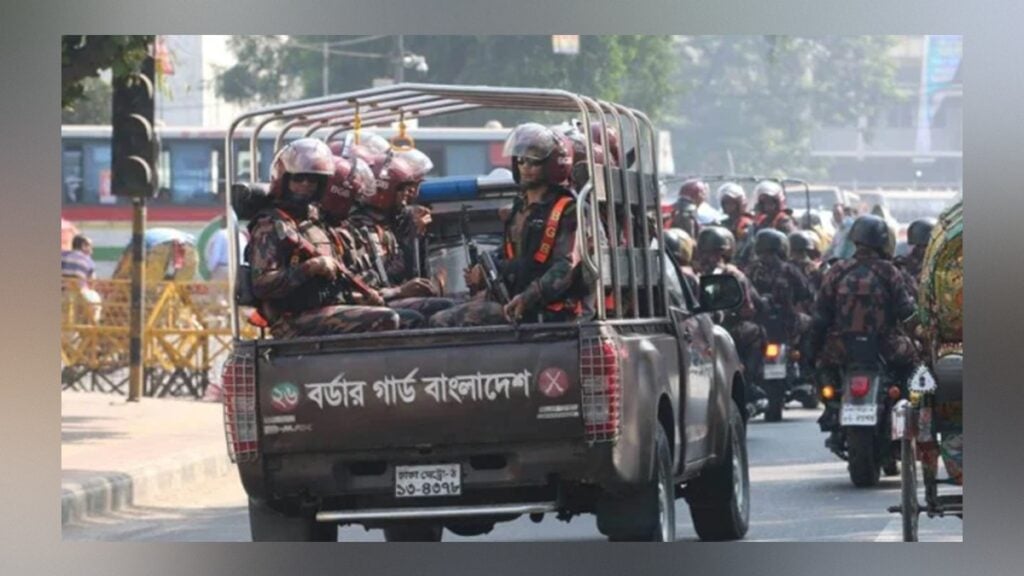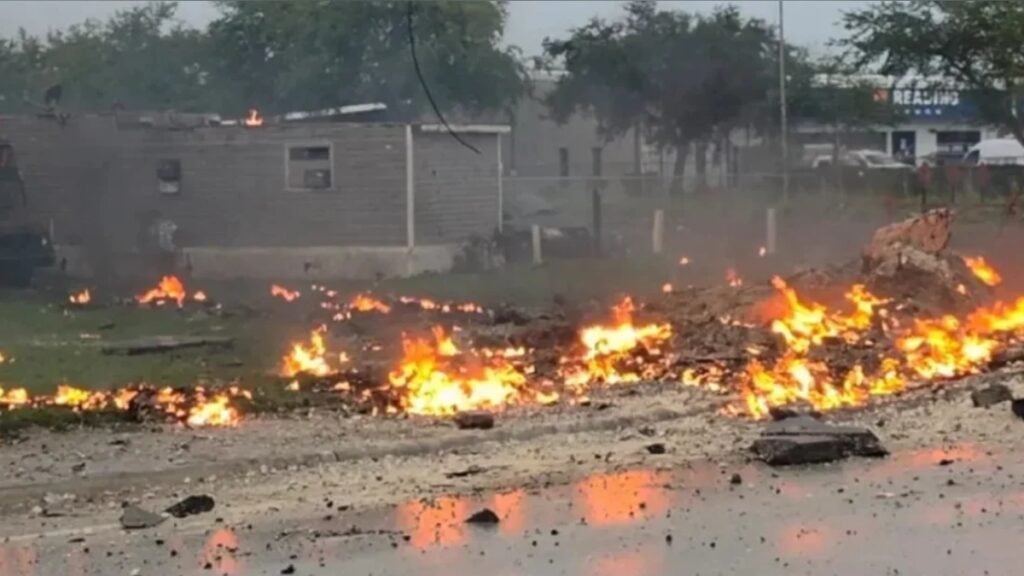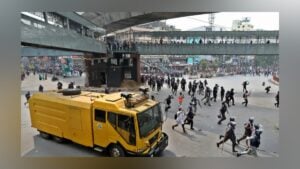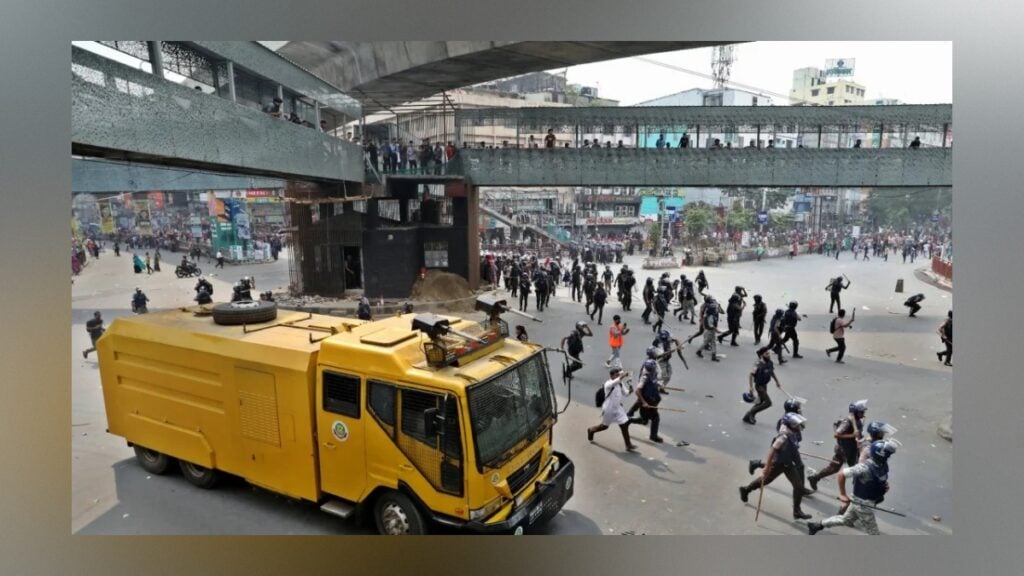
The latest incident began at around 9.15am when garment workers gathered on the roads in Mirpur. Police moved to disperse them, prompting confrontations between the two sides. According to the latest reports, tensions remained high as police continued efforts to prevent the workers from blocking the streets.
Hafizur Rahman, officer-in-charge of Mirpur Police Station, confirmed the incident. He said the workers had attempted to blockade the road, but police had removed them from the area.
The protests are part of a movement demanding a minimum monthly wage of Tk 30,000 for garment workers. The demand comes amid growing concerns among low-income workers over rising living costs, including expenditure on food, housing, healthcare and transport.
Garment workers have repeatedly raised concerns that their existing wages are insufficient to meet basic household expenses. As prices of essential commodities and other necessities remain a major concern for working families, demands for improved pay and better living conditions have become increasingly prominent.
Earlier, the wage-related demonstration had escalated into serious clashes between workers and police. Despite the previous confrontation, protests continued, with workers returning to the streets in an attempt to press home their demands.
On Monday morning, garment workers again attempted to take positions in the Mirpur-10 area. Police pursued them to prevent them from occupying the roads, leading to another round of clashes and counter-chases.
During the confrontation, some workers allegedly threw bricks and stones at police officers. Police responded by firing tear gas to disperse the demonstrators. Following the police action, the workers scattered, bringing the immediate confrontation under control.
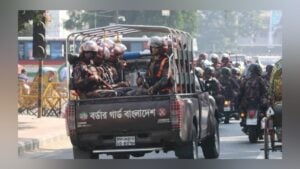
However, the situation across Mirpur-10 and neighbouring areas remained tense. Most shops in the area were closed, while police maintained a strong presence on the streets. Officers were preventing people from gathering or standing on the roads, and individuals considered suspicious were being stopped and questioned.
The unrest has caused concern among local residents, commuters and business owners. Mirpur-10 is a busy commercial and transport hub, and demonstrations or road blockades in the area can disrupt daily commuting, business activities and access to nearby establishments.
The garment industry is one of Bangladesh’s most important economic sectors, employing a large workforce and contributing significantly to the country’s export earnings. Any prolonged labour unrest can affect factory operations, production schedules and the wider supply chain.
The continuing protests highlight the challenge of addressing workers’ wage demands while maintaining stability in the country’s garment sector. A constructive dialogue involving workers’ representatives, factory owners and the relevant authorities could help address the grievances and prevent further confrontations.
There were no immediate confirmed reports of injuries among workers or police personnel during the latest clashes. No fresh decision regarding the workers’ demand for a Tk 30,000 minimum monthly wage had been announced at the time of reporting.