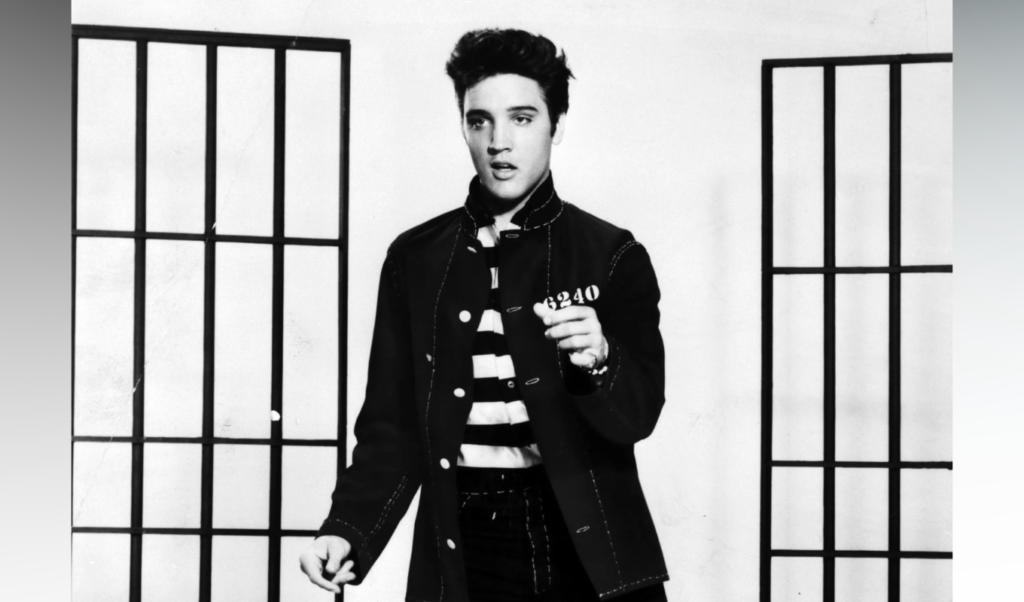
Nearly half a century after his untimely death on 16 August 1977, the legacy of Elvis Presley continues to define global popular culture. Universally hailed as “The King”, the music icon fundamentally transformed sound, fashion, and stage performance before passing away at his Graceland estate in Memphis at just 42 years of age. Yet, despite his status as an international phenomenon, a curious mystery endured throughout his career: why one of the world’s most sought-after performers never staged a single concert outside North America.
Global concert promoters were routinely prepared to outbid one another to secure the rock and roll legend for international venues. However, Presley’s live performances remained almost entirely confined to the United States. His foreign appearances were limited to five shows across three Canadian cities—Toronto, Ottawa, and Vancouver—in 1957, during an era when cross-border travel between the two nations required minimal documentation. Beyond his musical career, Presley set foot outside the United States only during his military service with the American army in West Germany, travelling via Scotland and France. He never even holidayed abroad.
This geographic restriction stood in stark contrast to his contemporaries. By the mid-1960s, peers such as Little Richard, Bill Haley, Jerry Lee Lewis, Buddy Holly, Chuck Berry, and Eddie Cochran had all completed successful international tours across the Atlantic. Presley harboured a deep desire to perform globally, expressing particular interest in touring Japan and Australia. However, his ambitions were consistently thwarted by his manager, “Colonel” Tom Parker, who maintained tight control over the singer’s professional and personal affairs from the onset of his fame until his death.
Parker’s control over Presley was absolute, earning up to 50 per cent of the artist’s earnings while orchestrating major life decisions, including Presley’s army enlistment and his marriage to Priscilla Beaulieu, as marketing instruments. As Presley matured creatively, tension between the two deepened. Close associate Jerry Schilling recalled a late-night confrontation at the Las Vegas Hilton where Presley declared his intention to tour overseas, to which Parker replied that he would not accompany him. When Presley attempted to fire him, Parker’s entrenched influence in the music industry effectively blocked independent promoters from working with the singer directly.
The true motive behind Parker’s refusal to allow overseas tours only emerged after Presley’s death. Parker, who claimed to have been born in West Virginia before working in circuses and state political campaigns, was actually an illegal immigrant. Born Andreas Cornelis van Kuijk in Breda, Netherlands, in 1909, he had entered the United States under a false identity in 1929. Lacking a valid passport or legal status, Parker feared that leaving the United States for an international tour would prevent his re-entry or expose his undocumented status to immigration authorities.
To avoid detection, Parker systematically rejected lucrative international offers, including multi-million-dollar proposals from South American promoters and the Saudi Arabian government in 1975. Music historians and researchers argue that this forced confinement isolated Presley, restricting his artistic growth and trapping him in repetitive domestic engagements that ultimately overshadowed the final years of his career.