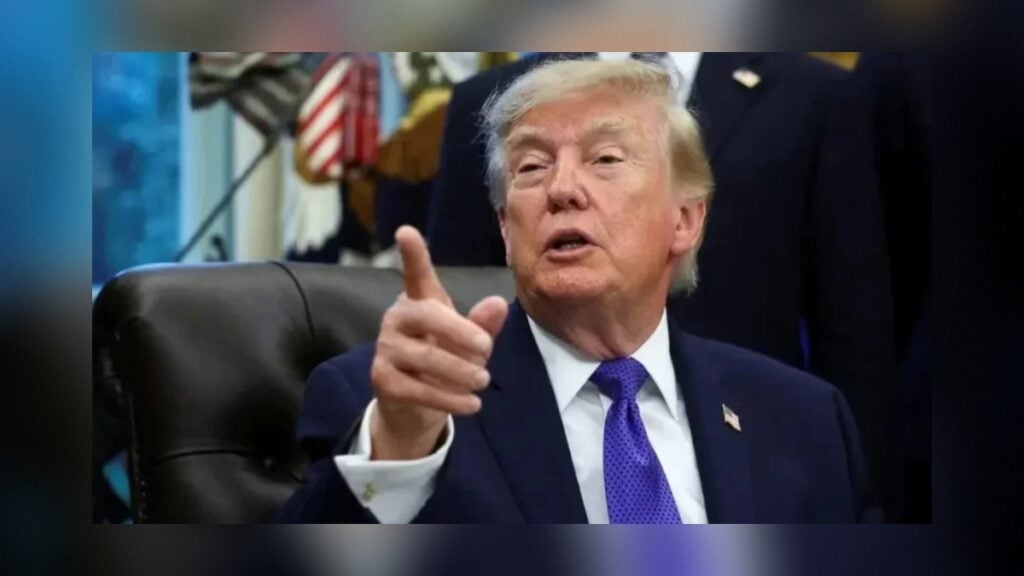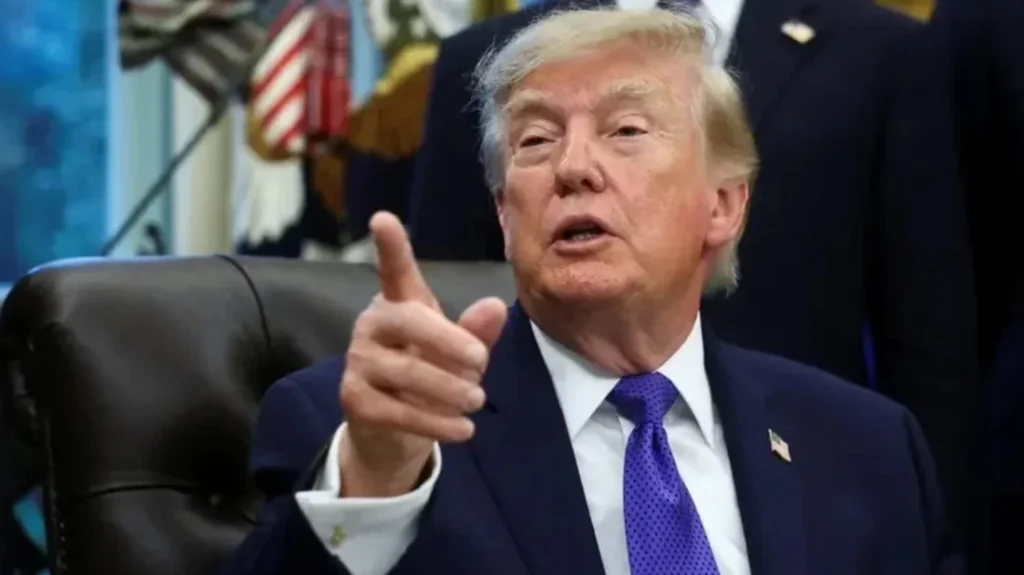
In a striking admission during a campaign rally in Youngstown, Ohio, former US President Donald Trump suggested that Washington may have pushed its aggressive strategy against Iran’s leadership too far, leaving American officials uncertain about whom to approach for diplomatic negotiations.
Addressing a crowd on Tuesday, 12 October, Mr Trump candidly acknowledged the practical complications arising from Washington’s hardline stance toward Tehran. He stated that targeting key political and military figures had rendered the diplomatic landscape increasingly murky, making it difficult for the United States to identify a clear point of contact within the Iranian government.
“We may have gone too far with the leaders, because now we don’t know who to speak to,” Mr Trump told supporters. He further claimed that “nobody wants to be president” of Iran, despite the fact that Masoud Pezeshkian has been serving as the country’s elected president since July 2024. Expressing an unusual level of frankness, Mr Trump admitted that determining a viable partner for talks had become a genuine hurdle, reiterating his belief that the US strategy had overreached.
During the same address, Mr Trump resurrected several of his previous claims regarding the total destruction of Iran’s defence capabilities. He asserted that Tehran had lost its entire air force alongside 159 naval vessels, adding colorfully that the ships were now “resting nicely at the bottom of the sea.”
These controversial remarks come against the backdrop of escalating tensions and maritime insecurity across crucial Middle Eastern waterways. Commercial shipping in the Gulf region has faced persistent threats, with the United Kingdom Maritime Trade Operations (UKMTO) recording at least 19 distinct attacks on commercial vessels since 1 October alone.
The strategic deadlock highlights the broader challenge facing US foreign policy in the region. Sanctions, targeted operations, and military posture have severely strained Washington’s diplomatic channels with Tehran, making de-escalation efforts increasingly complex. As commercial shipping lanes remain under threat, the lack of effective dialogue between the two nations continues to heighten risks across the wider Middle East.