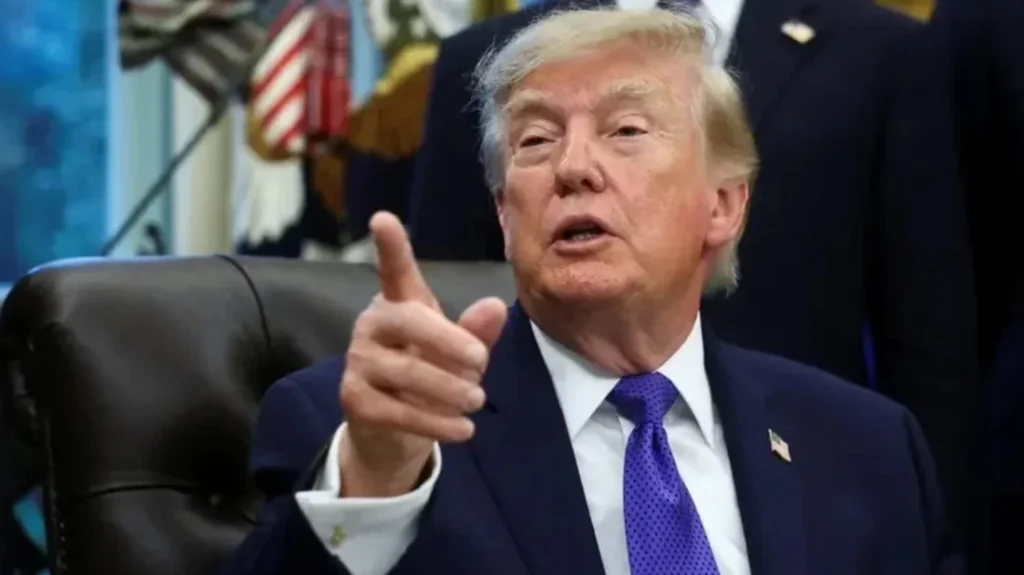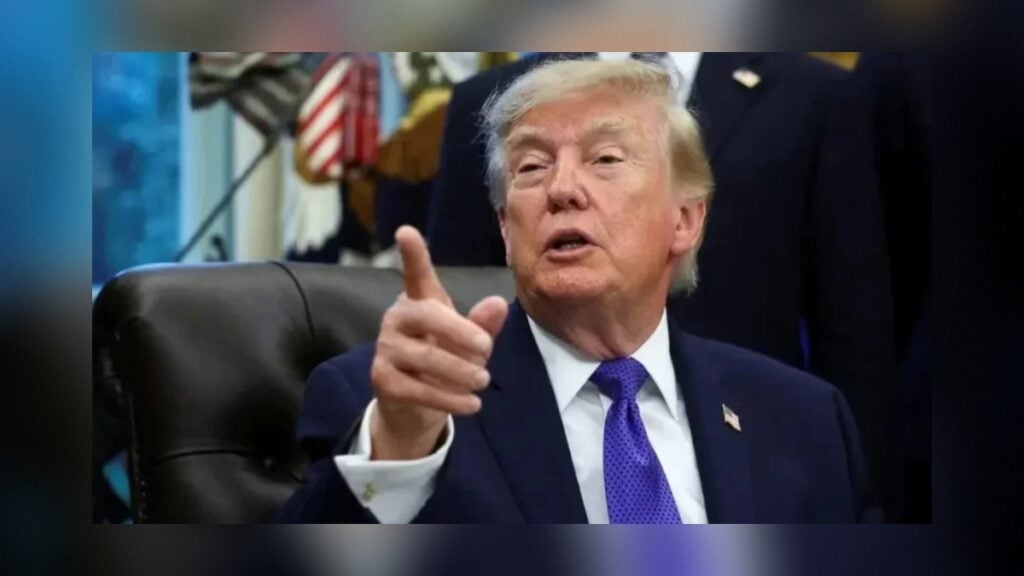
US President Donald Trump has suggested that Washington may have gone too far in targeting Iran’s leadership, acknowledging that his administration is struggling to identify whom to approach for negotiations with Tehran.
Speaking at an election rally in Youngstown, Ohio, on Tuesday, 12 October, Trump said the United States might have pushed its campaign against Iranian leaders beyond what was necessary, leaving officials uncertain about whom they should contact for discussions.
“We may have gone too far with the leaders, because we really don’t know who to talk to now,” Trump said.
The president admitted that finding the right person to continue negotiations with Iran had become increasingly difficult. His remarks raise questions about the diplomatic consequences of targeting senior figures in a country’s leadership, particularly when maintaining communication channels is essential to any potential settlement.
Trump also claimed that nobody wanted to become Iran’s president, although Masoud Pezeshkian has held the office since July 2024. The president’s remark appeared to be a political assertion rather than a literal description of Iran’s leadership arrangements.
During the rally, Trump repeated his claims about the damage inflicted on Iran’s military capabilities. He said the country had lost its air force and all 159 of its ships, adding that the vessels were now resting at the bottom of the sea. The extent of these alleged losses was not independently verified in the information available for this report.
His comments came amid continuing tensions in the Gulf, where a series of attacks on commercial vessels has raised concerns about maritime security and the safety of international shipping routes.
The United Kingdom Maritime Trade Operations (UKMTO) has recorded at least 19 attacks on commercial vessels since 1 October. The incidents have heightened concerns about the risks facing ships operating in the region.
The Gulf is a strategically important corridor for international trade and energy transportation. Any disruption to shipping can delay the movement of goods, increase transport costs and create uncertainty for businesses and international markets. Continued attacks on commercial vessels also place pressure on shipping operators and governments seeking to protect maritime traffic.
Trump’s remarks highlight a potential challenge for Washington as it seeks to exert pressure on Tehran while leaving room for diplomatic engagement. Military action against senior figures may weaken an adversary’s leadership structure, but difficulties in identifying representatives for negotiations can also complicate efforts to reach an agreement.
The comments do not, however, establish whether the US administration intends to change its approach towards Iran. Trump did not announce a new diplomatic initiative or outline a formal plan for negotiations during the reported speech.
With tensions continuing in the Gulf and commercial shipping facing security risks, the possibility of reducing hostilities will depend in part on whether effective channels of communication can be established and sustained.
For now, Trump’s acknowledgement that Washington is struggling to determine whom to contact for talks underscores the challenge of combining military pressure with a workable diplomatic strategy.