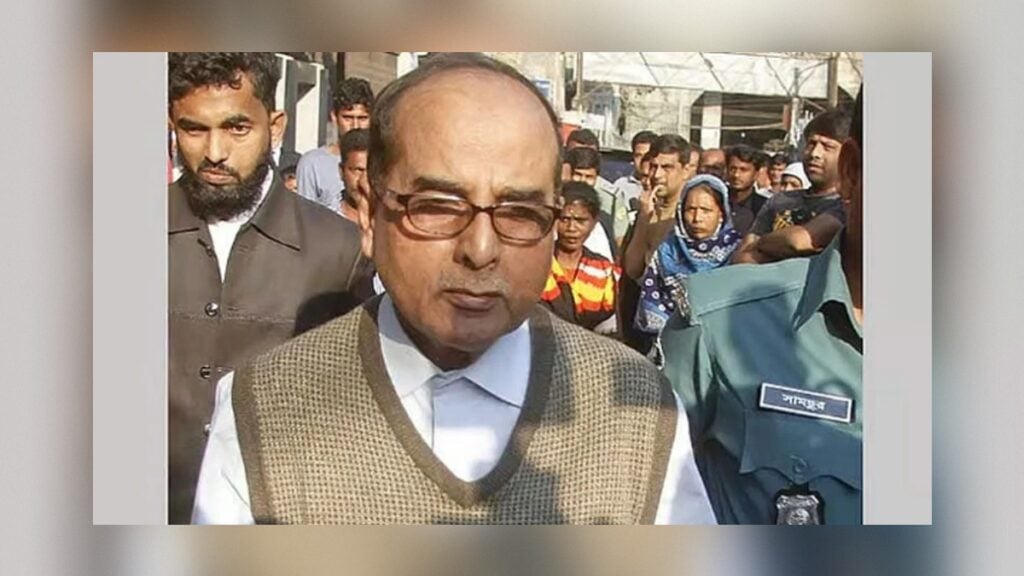
A Dhaka court has sentenced former Rajdhani Unnayan Kartripakkha (RAJUK) chairman Iqbal Uddin Chowdhury and seven others to 14 years in prison in a corruption case involving irregularities in plot allocations in the Purbachal residential project.
The court also fined each of the eight convicts Tk 1 million and ordered the cancellation of two plots allocated through the alleged irregularities.
Judge Abdus Salam of Dhaka’s Ninth Special Judge Court delivered the verdict on Tuesday. The sentences were imposed under two separate legal provisions.
The other convicts include former RAJUK members S D Faiz, Wahedul Islam, Zafar Ullah, Zahurul Haque and Rezaul Karim Torafdar. Plot recipients Shawkat Aziz and Ashfaq Aziz were also sentenced in the case.
According to the case allegations, the accused abused their official positions and acted in collusion to secure plot allocations by depriving eligible applicants of their rightful opportunities. The prosecution alleged that deception and misuse of authority were involved in the allocation process.
The allegations further stated that, even after the deposits had been withdrawn and the relevant applications cancelled, arrangements were made to allocate two plots, measuring a total of 10 kathas, to two individuals with the intention of securing undue benefits.
Following the trial, the court handed down prison sentences and financial penalties to all eight accused. It also ordered the cancellation of the two disputed plot allocations.
None of the accused was present in court when the verdict was announced. The court consequently issued arrest warrants against all eight convicts.
Khondaker Shamim Hossain, a lawyer representing the Anti-Corruption Commission (ACC), confirmed the verdict.
Purbachal is a major planned residential development intended to support the expansion of Dhaka and improve urban planning in the surrounding areas. Plot allocations in such projects are expected to follow established rules and transparent procedures to ensure equal treatment for eligible applicants.
The verdict represents a judicial development in a case concerning alleged irregularities in the allocation process. However, no immediate information was available on whether the convicts had appealed against the judgment.