Khabowrala online Desk
Published: 14 Mar 2026, 11:12 pm
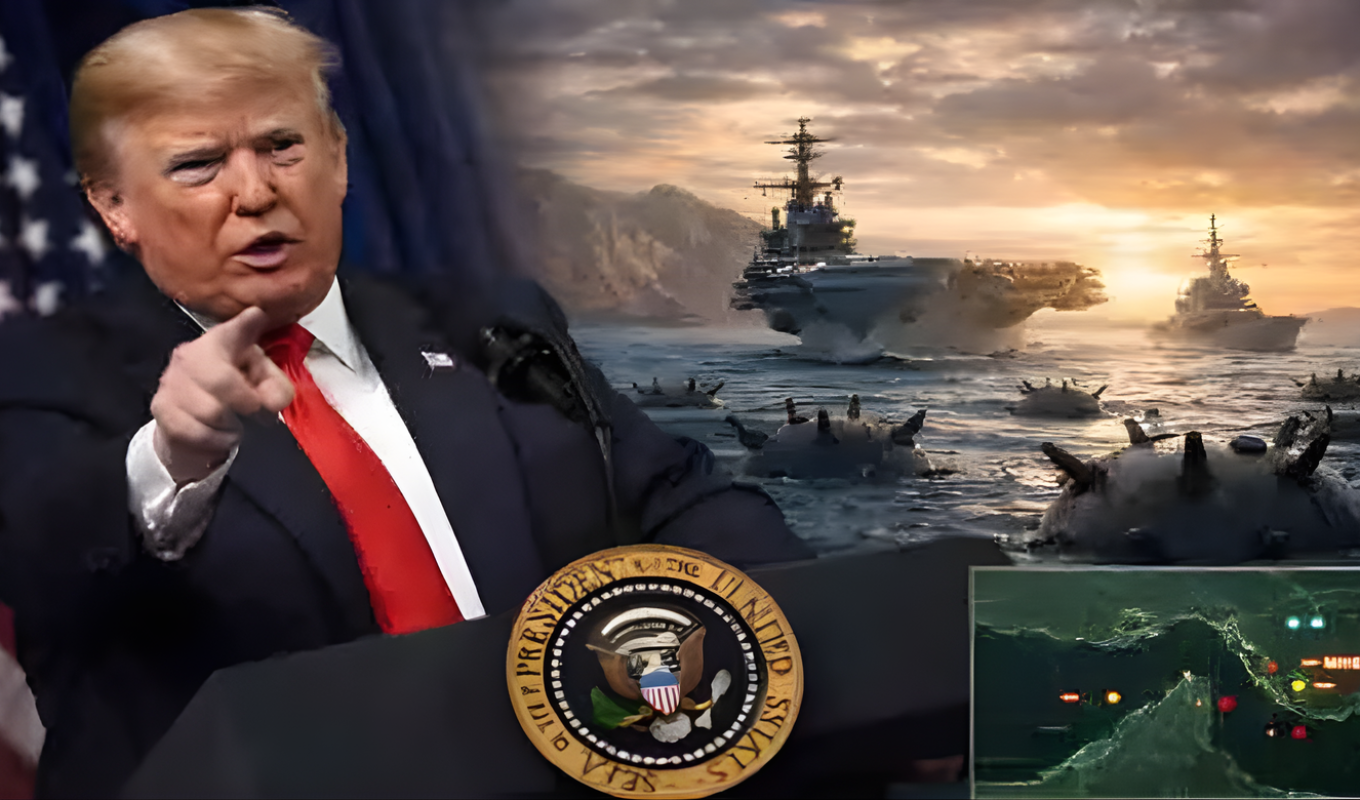
Amid ongoing instability in the Strait of Hormuz and Iran’s resolute stance, U.S. President Donald Trump appears increasingly frustrated, with analysts suggesting his growing concern has now tipped into visible despair. The White House recently proposed targeted strikes against military infrastructure on Iran’s Kharg Island, aiming primarily to send a stern warning to Tehran. Washington had hoped such measures might compel Iran to lift its effective blockade of the crucial maritime corridor. However, international experts view these threats as reflecting the U.S. administration’s strategic limitations and its inability to decisively influence Middle Eastern geopolitics.
Kharg Island, a key hub for oil extraction and export, has long been central to Iran’s energy network. Trump’s threats were intended to place direct pressure on the island’s infrastructure, thereby constraining Iran’s oil exports. Analysts argue, however, that Tehran’s sophisticated defensive systems significantly restrict Washington’s military options. Consequently, the U.S. appears to be relying primarily on psychological pressure and the spectre of force rather than an actual strike, a strategy that has so far yielded limited results.
Historically, Kharg Island has endured far more severe threats. During the Iran–Iraq War, the island was targeted in nearly 2,000 airstrikes under the Ba’athist regime, yet Iran successfully maintained its oil exports. This historical resilience underscores the difficulty of coercing Tehran through mere threats of infrastructural attacks.
Iranian military commanders have repeatedly reaffirmed their commitment to controlling the Persian Gulf, warning that any attack on energy or military assets will provoke a severe retaliatory response. Recent statements emphasise that any aggression from the U.S. or Israel would not only threaten Iran but also impact the so-called “Zionist Axis” and its regional allies across the Gulf.
Experts note that Washington’s options are extremely constrained. From providing military escorts to oil tankers to issuing direct threats, none of these measures have successfully ensured safe passage through the Strait of Hormuz. The combination of field-level realities and Tehran’s capacity to respond has placed the U.S. administration in a highly precarious position.
| Metric | Detail | Commentary |
|---|---|---|
| Strategic Location | Strait of Hormuz | Vital for global oil transport; chokepoint for Persian Gulf exports |
| Pressure Point | Kharg Island | Iran’s main oil export hub; heavily defended |
| U.S. Tactic | Threat of military strikes | Intended to compel Iran to lift blockade; limited effect so far |
| Iran’s Response | Firm military and retaliatory stance | Any attack may provoke severe consequences regionally |
| Historical Context | Iran–Iraq War airstrikes | 2,000 attacks on Kharg Island did not halt oil exports |
| Current Implication | U.S. constrained | Washington faces limited options to secure maritime traffic |
The unfolding situation highlights the stark intersection of military strategy, energy security, and geopolitics. Analysts argue that Trump’s administration now finds itself increasingly cornered, with the Strait of Hormuz dispute illustrating the limitations of coercive diplomacy in a region where Iran has repeatedly demonstrated resilience and tactical depth.

> Two Bangladeshis Complete Antarctic Marathon Historic First
> Three Indian Cricket Legends to Receive Lifetime Honours
> Explosion Outside Jewish School in Amsterdam
> Kharg Island: Iran’s Strategic Oil Lifeline
> France and Italy Seek Safe Passage Through Hormuz
> Visa Extensions Announced for Stranded Expatriates
> Global Currency Exchange Rates: Bangladesh Taka Updates
> Hamza Returns: Boost for Bangladesh Ahead of Vietnam
> IMF Pledges Continued Support to Bangladesh
> Sujan’s Journey: Lessons from True Mentors
> U.S. Military Refuelling Aircraft Crash in Iraq
> Kings Surge Ahead with Victory Over Fortis


The Board of Control for Cricket in India (BCCI) is set to celebrate the extraordinary contributions...

A minor explosion occurred outside a Jewish school in Amsterdam, causing limited damage to the exter...
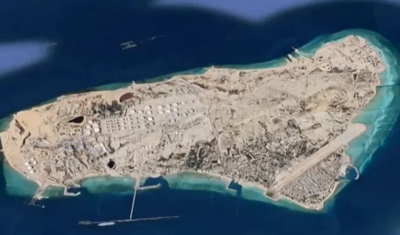
Kharg Island, Iran’s principal oil-export hub, has once again become a focal point in the escalating...
_1773510696.png)
European nations, including France and Italy, have initiated discussions with Iran to secure safe pa...
_1773509544.png)
Saudi Arabia’s Civil Defence has issued a fresh emergency alert for residents in the Al-Kharj area,...
Iran is reportedly considering a new strategic condition for using the Strait of Hormuz, one of the...
_1773508877.png)
The ongoing conflict in the Middle East, triggered by U.S. and Israeli operations aimed at curbing I...
After two weeks of intense confrontation in the Middle East, the war between Iran and the U.S.–Israe...

Tensions surrounding the upcoming football World Cup escalated this week as Iran responded to warnin...

Leaders and policymakers in the Philippine insurance sector convened this week to discuss key struct...
The Pakistan Cricket Board (PCB) has firmly dismissed widespread media reports suggesting that playe...
In a tense escalation in Baghdad, the United States embassy came under attack on Saturday, when a dr...


Availabe for iphone & ipads

Available in google play
 বাংলা
বাংলা