A tragic workplace accident in southern Bangladesh has claimed the lives of two labourers who reportedly suffocated after entering a septic tank filled with toxic gases at a construction site in Patuakhali district.
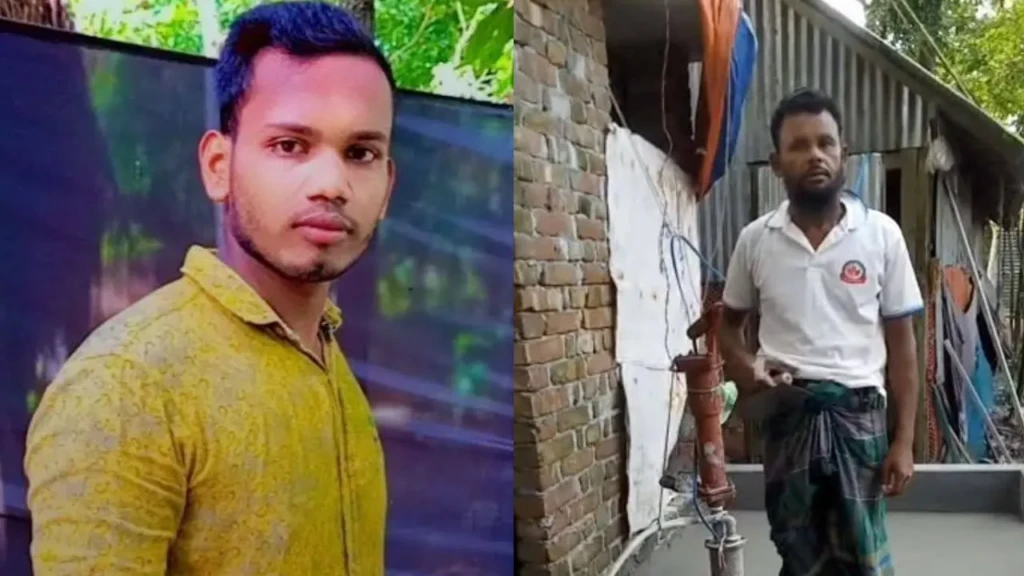
The incident occurred at approximately 11:00 a.m. on Wednesday in Chouddoburia village under Kamalapur Union of Patuakhali Sadar Upazila. The deceased were identified as Md Nuh, 26, and Ashraf, 50, both residents of the same village.
According to local residents and eyewitnesses, the accident took place at a partially completed building owned by a local resident. The septic tank had reportedly remained sealed and unused for a prolonged period. Ashraf, who worked as a mason, entered the tank to remove centring materials, including wooden planks and bamboo supports, that had been left inside during construction.
When Ashraf failed to respond after entering the confined space, fellow worker Nuh descended into the tank in an attempt to assist him. Moments later, he too became trapped. Neither worker emerged from the chamber.
Alarmed by the situation, local residents rushed to the scene. As conventional rescue efforts proved difficult, they broke open part of the septic tank structure and entered it. Both men were eventually recovered, but they were found unresponsive and were declared dead at the scene.
Incident Summary
| Item | Details |
|---|---|
| Date | 17 June |
| Location | Chouddoburia village, Kamalapur Union, Patuakhali Sadar |
| Victims | Md Nuh (26) and Ashraf (50) |
| Occupations | Day labourer and mason |
| Cause Suspected | Suffocation from toxic gases inside septic tank |
| Rescue Effort | Local residents broke part of the tank to recover victims |
Local residents believe the deaths were caused by a build-up of hazardous gases inside the enclosed septic tank. Experts note that septic tanks and similar confined spaces can accumulate dangerous gases such as methane, hydrogen sulphide and carbon monoxide. These gases can displace oxygen, causing rapid unconsciousness and death within minutes if proper safety measures are not in place.
Confined-space accidents remain a recurring occupational hazard in many developing countries, particularly where construction workers lack specialised training, gas-detection equipment and protective breathing apparatus. Safety specialists generally recommend testing air quality before entry, ensuring adequate ventilation and maintaining standby rescue personnel whenever workers must enter septic tanks, sewers or underground chambers.
Local Union Parishad member Abu Zafar confirmed the incident and described it as deeply distressing for the community. He said the two victims lived in neighbouring homes in Chouddoburia village. Ashraf was married and the father of three children, while Nuh had recently married and was beginning a new chapter of life.
Attempts were reportedly made to contact officials at Patuakhali Sadar Police Station for comment, but no immediate response was obtained.
The deaths have cast a pall of grief over the village, with residents mourning the loss of two men whose lives ended while carrying out routine construction work. The tragedy has also renewed concerns about workplace safety standards and the need for greater awareness of the hidden dangers posed by confined spaces such as septic tanks.