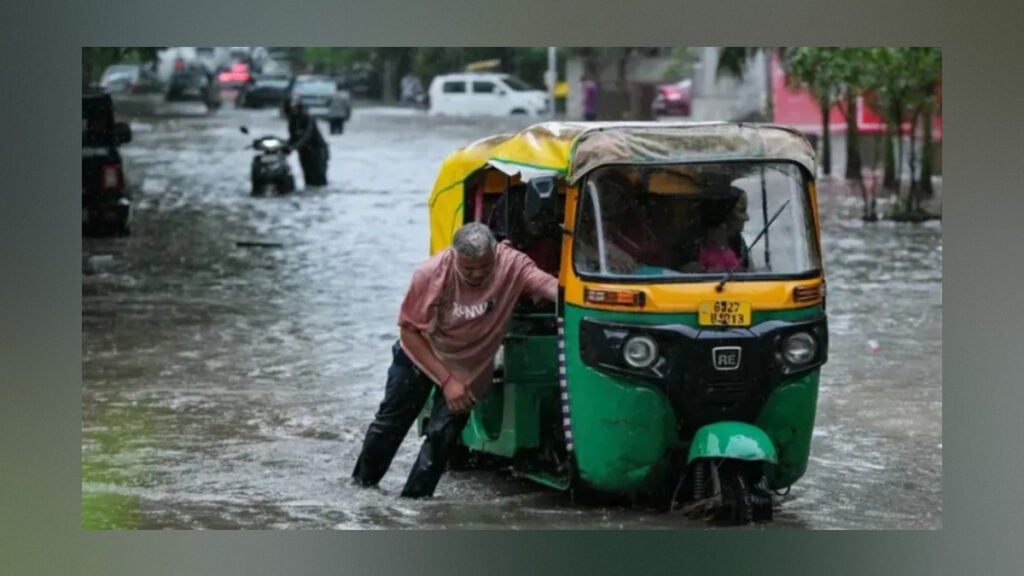
At least 56 people have died in India’s northern state of Uttar Pradesh after three consecutive days of exceptionally heavy rain triggered flooding and landslides across large parts of the state.
The state’s disaster management authorities confirmed the deaths in a statement issued on Sunday (27 September). More than 1,000 houses have also been damaged, while a number of people have been injured as torrential rain disrupted normal life in several areas.
According to a report by Agence France-Presse (AFP), Uttar Pradesh is India’s most populous state, with more than 240 million residents. The state experiences its annual monsoon season between June and September, when heavy rainfall and thunderstorms are common. However, the scale of rainfall recorded over the past three days has resulted in a particularly severe situation.
A statement from the office of the state Relief Commissioner said record rainfall had caused flooding and landslides over extensive areas. The disasters have damaged homes and affected communities, with rescue and relief efforts continuing in areas hit by the extreme weather.
The intense rainfall has been linked to a low-pressure system that developed over the Bay of Bengal and moved inland, increasing the severity of the downpour. Such weather systems can bring prolonged and intense rainfall to parts of northern and central India, particularly during the later stages of the monsoon season.
Official figures highlight the unusual intensity of the rainfall in Uttar Pradesh. From Friday to Sunday, the state received an average of 66.5 millimetres of rain. The normal average for the same period is just 7.6mm.
The difference between the two figures indicates how far rainfall levels exceeded the seasonal norm within a short period. When intense rain falls over several consecutive days, drainage systems and rivers can struggle to cope, increasing the risk of flooding, particularly in low-lying areas.
Landslides pose an additional danger in areas where saturated soil and unstable terrain are exposed to prolonged rainfall. They can damage homes and roads and make access to affected communities more difficult, potentially complicating rescue and relief operations.
The latest disaster comes amid broader concerns in India over increasingly severe episodes of extreme weather. The India Meteorological Department has repeatedly issued warnings about intense thunderstorms, lightning and other hazardous weather conditions in different parts of the country.
Environmental experts have linked the growing frequency and intensity of some extreme weather events to global warming and climate change. Scientists, however, generally assess the contribution of climate change to individual weather events through detailed attribution studies rather than treating it as the sole cause of a particular disaster.
For Uttar Pradesh, the immediate challenge remains managing the consequences of the heavy rainfall. With more than 1,000 houses already reported damaged and flooding affecting wide areas, authorities face the task of supporting affected residents while monitoring weather conditions and the risk of further disruption.
The deaths and damage reported over the three-day period underline the vulnerability of densely populated areas to sudden and prolonged extreme rainfall during India’s monsoon season.