khaborwala online desk:
Published: 30 Oct 2025, 09:30 am
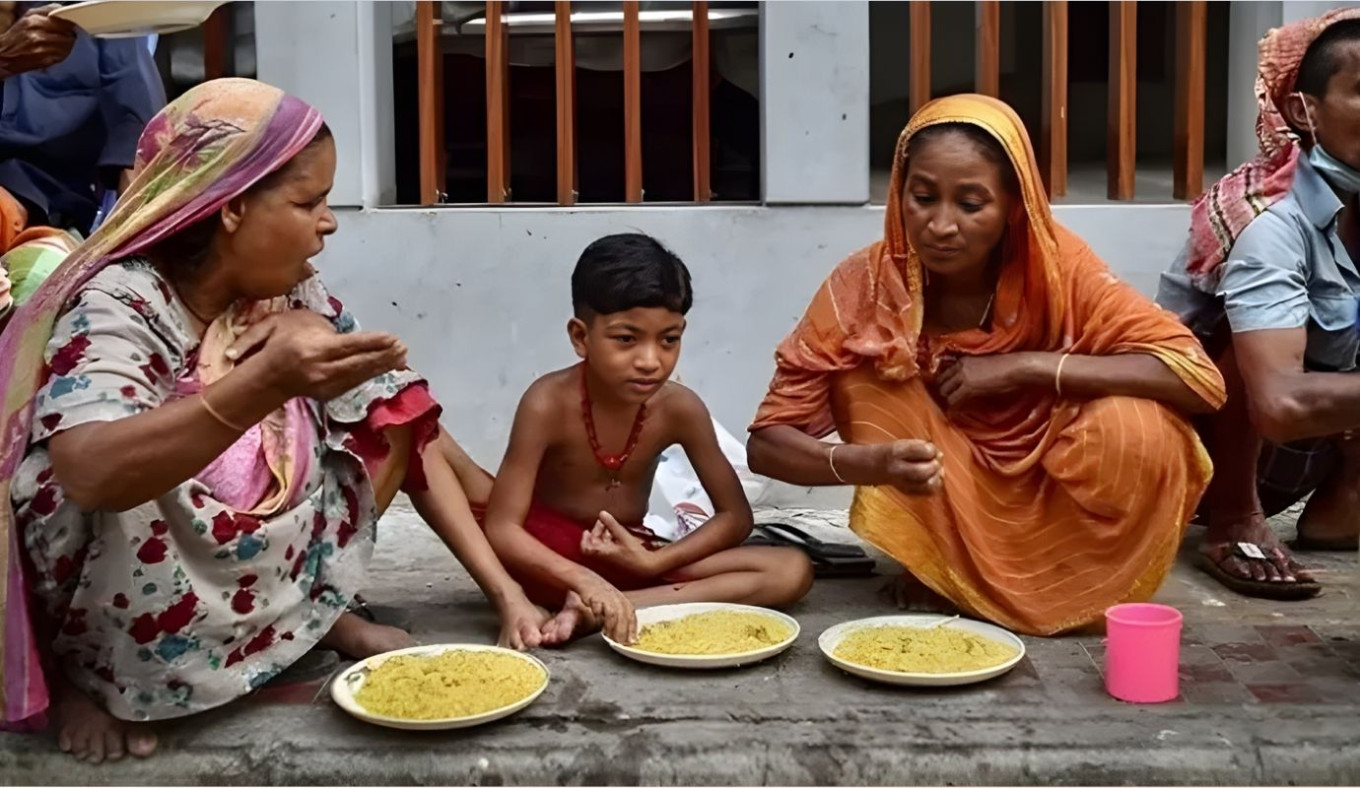
Around 16 million people in Bangladesh are currently suffering from food insecurity, and 1.6 million children are at risk of severe malnutrition, according to a joint analysis by the government and development partners.
On Wednesday (October 29), the Ministry of Food, in collaboration with the United Nations Food and Agriculture Organization (FAO), UNICEF, the World Food Programme (WFP), and non-governmental organizations Action Against Hunger and Save the Children, released the findings of the latest national situation analysis through a multi-sectoral and multi-stakeholder workshop.
The same analysis in 2024 showed that 23.5 million people in the country were suffering from high levels of food insecurity. Due to coordinated efforts by the government and international partners, visible improvement has been observed in 2025. However, stronger measures are still needed to sustain this progress and ensure long-term change.
The Integrated Food Security Phase Classification (IPC) is a globally standardized, evidence-based analytical approach that categorizes the food security situation of populations into five phases — Minimal (Phase 1), Stressed (Phase 2), Crisis (Phase 3), Emergency (Phase 4), and Catastrophe/Famine (Phase 5).
According to the analysis conducted in April 2025, it is estimated that between May and December 2025, about 17 percent — or roughly 16 million — of the 90.6 million people living across 36 districts and Rohingya camps in Bangladesh will fall under IPC Phase 3 (Crisis) or higher. Among them, approximately 361,000 people will be in Emergency (Phase 4) conditions, requiring urgent food assistance.
The most vulnerable situation was observed in Cox’s Bazar — particularly in Ukhiya and Teknaf — where about 30 percent of the population falls under IPC Phase 3. High levels of food insecurity were also found in Sunamganj, Barguna, Bandarban, Noakhali, and Satkhira districts, where roughly 25 percent of people are classified in Phase 3.
Among the Rohingya population in Cox’s Bazar and Bhasan Char, around 445,692 refugees — nearly 40 percent of those analyzed — are in Crisis or Emergency conditions.
Climate shocks, especially the floods of 2024, have disrupted livelihoods and slowed recovery. Market instability and inflation have reduced purchasing power among low-income households, while declining humanitarian funding has coincided with growing needs among Rohingyas. These factors have been identified as major drivers of food insecurity.
The nutrition situation is also alarming. Around 1.6 million children aged 6–59 months are expected to suffer or continue suffering from acute malnutrition throughout 2025. Among them, about 144,000 children face severe acute malnutrition (SAM) and require urgent therapeutic care. Additionally, 1.4 million children are projected to experience moderate malnutrition, and 117,000 pregnant and lactating women are at risk of acute malnutrition.
This marks the first time that an IPC Acute Malnutrition Analysis has been conducted in Bangladesh, covering 18 vulnerable districts across seven divisions and the Rohingya population.
Food Secretary Md. Masudul Hasan stated that the latest IPC analysis presents a clear picture of Bangladesh’s food security and nutrition landscape. “About 16 million people are facing severe food insecurity, and over 1.6 million children are suffering from acute malnutrition. This is deeply concerning, and it is time for effective action,” he said.
He added that the workshop is crucial not only for reviewing the findings but also for translating them into coordinated action plans. “The Government of Bangladesh will use this information for policymaking and work with the UN and development partners to ensure protection for the most vulnerable,” he noted.
Recommendations from the analysis include providing emergency assistance, expanding shock-responsive safety nets for vulnerable groups, delivering urgent agricultural and livestock support, and aiding livelihood recovery in flood-affected areas.
Fisheries and Livestock Secretary Abu Taher Mohammad Jaber said the IPC results are particularly concerning for rural and coastal communities whose livelihoods depend on agriculture and fisheries.
We aim to strengthen food systems, improve access to nutritious food, and enhance resilience to climate shocks. Swift and collective action is essential to protect vulnerable populations and ensure no one is left behind, he added.
The IPC analysis was carried out with support from government agencies, the United Nations, NGOs, and technical experts. During the workshop, stakeholders discussed ways to increase awareness, align policies, and reflect the findings in national planning.
khaborwala.com/MU

> Axis of Resistance Vows Vengeance for Khamenei
> Iranian Attack Hits Oil Tanker, Four Injured
> Iran Strikes Israel, Eight Killed in Beit Shemesh
> Visa Staff to Receive MetLife Insurance Coverage
> Nazrul Islam Manju Assumes Khulna City Administrator Role
> Banner Vanishes From Kapasia Awami League Office
> Experian Launches AI Insurance Marketplace Within ChatGPT
> Visa Staff to Receive MetLife Insurance Coverage
> Case Filed Against Actor Jaher Alvi
> Acclaimed Singer Eva Rahman Debuts Poetry at Book Fair
> Potential Successors Emerge After Khamenei’s Death
> Biman Resumes Madinah and Jeddah Flights Today

Dhaka, Bangladesh: Visa has signed a strategic partnership with MetLife Bangladesh to provide compre...
Khulna, Bangladesh: Nazrul Islam Manju has officially assumed the role of Administrator of the Khuln...
In Kapasia, Gazipur, a banner marking the “grand inauguration” of the local Awami League office myst...

A legal case has been filed against television actor Jaher Alvi and his mother, Nasrin Sultana Shiul...
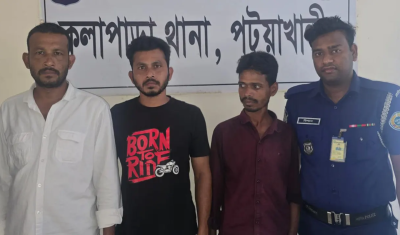
Police in Kalapara, Patuakhali, have arrested three individuals, including a local volunteer group l...

Dhaka, 1 March: National Insurance Day, once marked by elaborate state-sponsored ceremonies and nati...

Following the recent escalation of cross-border attacks between Iran and Israel, which led to the su...

Bangladesh national cricketer Mushfiqur Rahim, who had travelled to Saudi Arabia to perform the Umra...
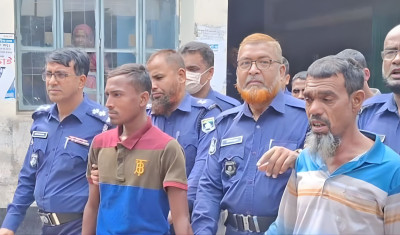
In a harrowing development in Narsingdi, the court has granted an eight-day remand for seven individ...

In a dramatic turn of events in Natore, a local youth leader has been arrested for attempting to ext...
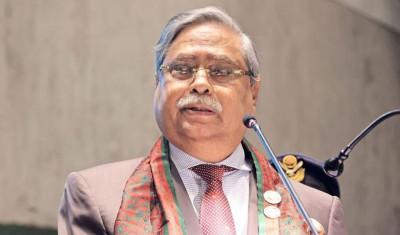
In a significant development, President Mohammad Sahabuddin has urged the Public Service Commission...

A judicial tribunal in Sunamganj has delivered a landmark verdict, sentencing a young man to life im...


Availabe for iphone & ipads

Available in google play
 বাংলা
বাংলা