China has unveiled a new climate action plan at a United Nations meeting, marking its first pledge to include absolute targets for reducing planet-warming greenhouse gas emissions. The plan sets a goal of cutting emissions by 7–10 percent by 2035, signalling a step forward in the country’s long-term climate strategy.
China is the world’s second-largest economy and, since 2006, the largest emitter of greenhouse gases, currently accounting for nearly 30 percent of global emissions. Paradoxically, it is also a clean energy powerhouse, rapidly expanding renewable energy while exporting solar panels, batteries, and electric vehicles worldwide.
Beijing’s emissions trajectory will be crucial to whether the world can limit warming to 1.5°C by the end of the century, the threshold scientists warn is necessary to avoid the worst impacts of climate disruption.
Under the Paris Agreement, countries must update their Nationally Determined Contributions (NDCs) every five years. With the UN climate summit in Brazil scheduled for November, expectations were high for President Xi Jinping’s announcement on Wednesday.
China’s previous pledge, made in 2021, was to peak CO₂ emissions before 2030 and achieve carbon neutrality by 2060. However, it lacked near-term numerical targets, frustrating international observers.
The geopolitical context heightens the stakes: the United States under Donald Trump had quit the Paris accord, dismissing climate change as a “con job,” while a divided European Union has yet to announce updated targets.
Under the new plan, China has pledged to:
| Target Area | Specifics | Notes/Context |
| Emission Reduction | Cut economy-wide net greenhouse gas emissions by 7–10% from peak levels | Analysts estimate that to align with 1.5°C, a 30% reduction from 2023 levels is needed within a decade. Some believe China may have already peaked. |
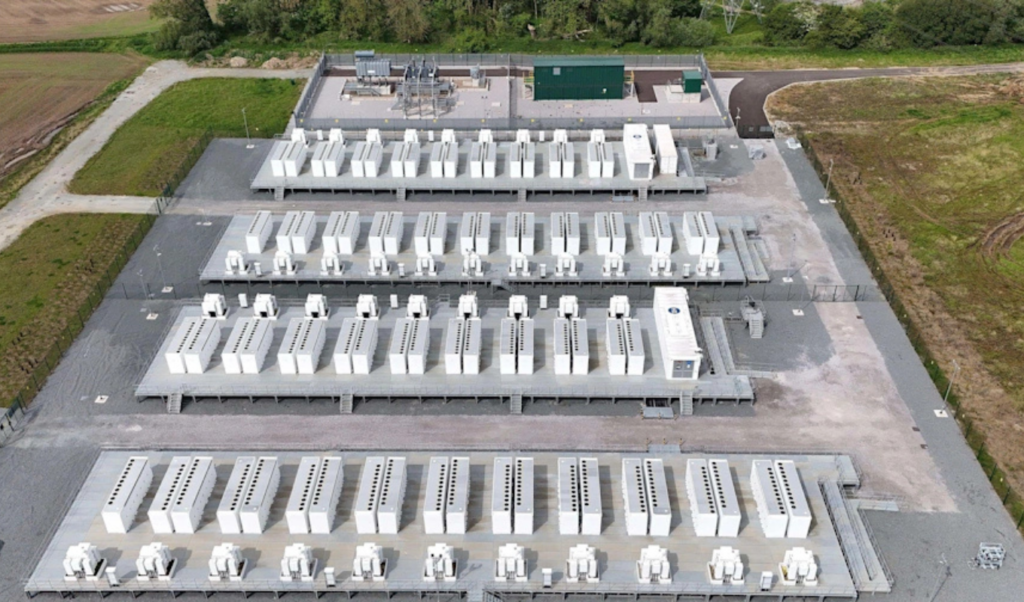
| Non-Fossil Energy | Raise the share of non-fossil fuels in total energy consumption to over 30% | Expand wind and solar capacity to more than six times 2020 levels, reaching 3,600 GW. |
| Forestry | Increase forest cover to over 24 billion cubic metres | Aims to absorb more CO₂ and improve environmental resilience. |
| Transport | Make electric vehicles mainstream in new vehicle sales | Supports the broader clean transport sector and reduces fossil fuel dependency. |
| Carbon Market | Expand the national carbon trading scheme to cover high-emission sectors | Helps enforce market-based emissions reduction. |
| Societal Measures | Establish a climate-adaptive society | Focus on long-term resilience to climate impacts. |
For context, the United States peaked its CO₂ emissions in 2007 and reduced them by approximately 14.7% over the following decade.
Observers warn that the targets are modest, but note that China is likely to exceed them due to its booming clean technology sector.
Yao Zhe of Greenpeace East Asia stated: “This 2035 target offers little assurance to keep our planet safe, but what’s hopeful is that the actual decarbonisation of China’s economy is likely to surpass its on-paper target.”
The decision to use an unspecified “peak” rather than a clear baseline year raises concerns, according to Lauri Myllyvirta, lead analyst at the Centre for Research on Energy and Clean Air. He noted: “It keeps the door open to near-term increases in emissions. The pledges represent a floor, not a ceiling, for China’s ambition.”
Kate Logan and Li Shuo of the Asia Society highlighted the language “striving to do better” in the plan: “This phrasing at least signals that Beijing is potentially open to revising its commitment based on actual progress.”
China’s plan represents a cautious but significant step in global climate governance. While the immediate targets are low compared with what is needed for a 1.5°C pathway, the country’s investment in clean energy and technological capacity may allow it to surpass these goals, providing a cautious note of optimism for the international community.