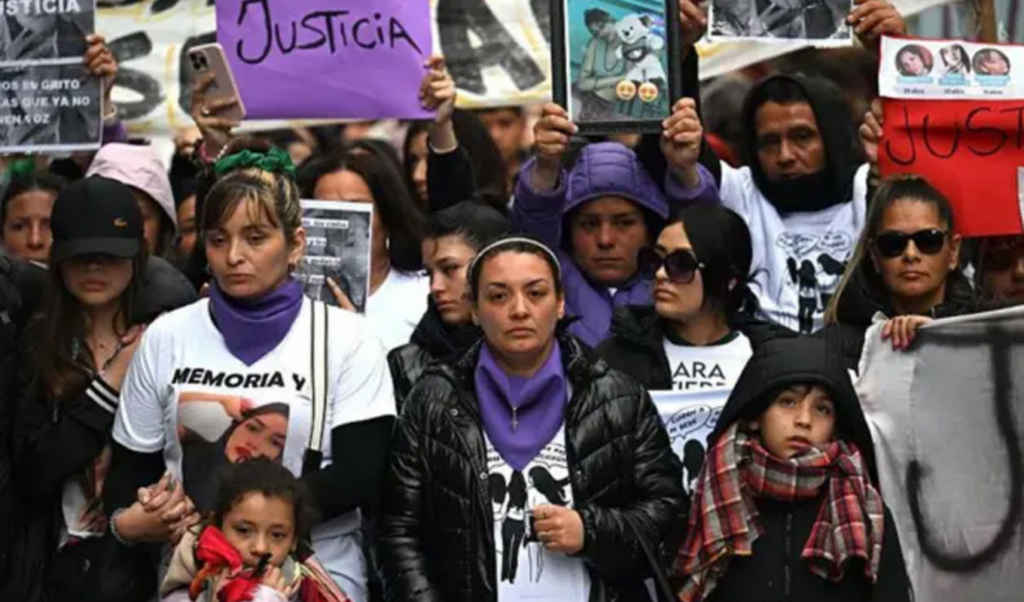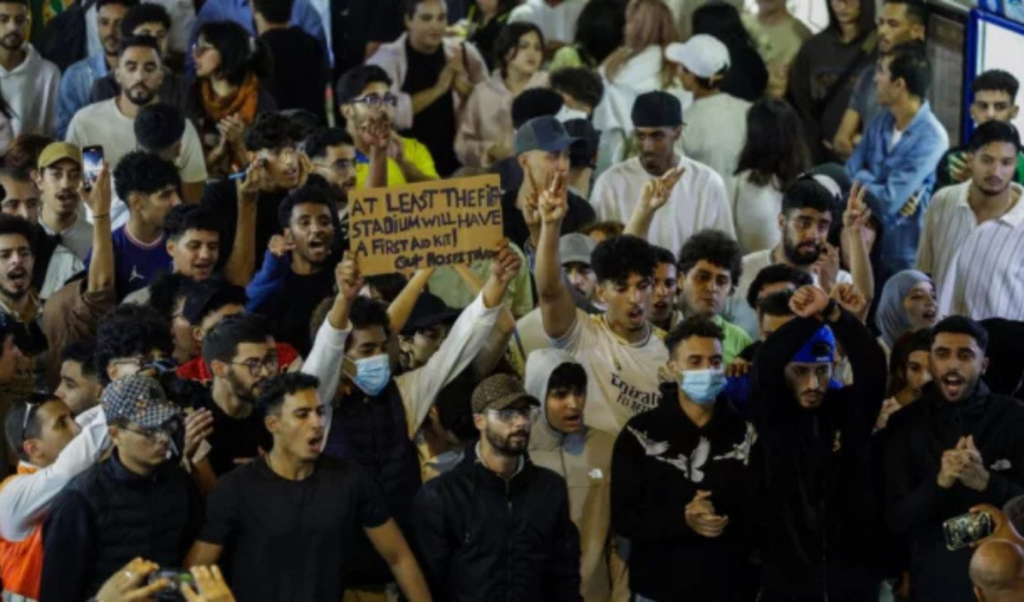
Youth-led protests demanding reforms in public healthcare and education continued across Morocco on Friday, marking the seventh consecutive day of demonstrations, according to AFP journalists and local media.
The protests were organised by the online-based group GenZ 212, whose organisers remain unknown. Demonstrators also called for the resignation of Prime Minister Aziz Akhannouch, whose term is due to end next year.
Key Cities Affected
| City | Description of Protests |
|---|---|
| Rabat | Dozens gathered in front of parliament, holding signs reading “Our voices will not be silenced”. |
| Casablanca | Local rallies reported by AFP correspondents. |
| Agadir | Significant protests following reports of deaths in a public hospital; some clashes occurred near a law enforcement station. |
| Tangier | Peaceful demonstrations noted by local media. |
The GenZ 212 group, founded on the Discord platform in mid-September, takes its name from people born between the late 1990s and early 2010s and Morocco’s country code, 212. The group has grown to nearly 170,000 users.
- The protests are motivated by social inequality and concerns over public services, particularly after eight pregnant women died last month at a public hospital in Agadir.
- GenZ 212 has called on participants to remain peaceful, rejecting violence, rioting, or property destruction.
- Demonstrators were encouraged to wear black as a symbol of mourning for the injured and deceased, following the death of three protesters on Wednesday, who authorities said had attempted to storm a law enforcement station near Agadir.
Yasser, 20, protesting in Rabat, told AFP: “I am demonstrating against corruption and for reform of education and hospitals. I am experiencing difficulties at university because the level of education I received in high school was not sufficient.”
The group addressed King Mohammed VI in a post earlier Friday, calling for the government’s dismissal, but later stated the message was not in its final form, without further details.
The European Union acknowledged the protests, recognising “the importance of youth participation in public life” and urged all parties involved to maintain calm.
While some incidents of violence and vandalism have occurred, protests on Thursday and Friday were largely peaceful, according to AFP and local media.
The ongoing demonstrations underscore widespread frustration among Moroccan youth over inequality, public services, and governance, as the country navigates both political and social tensions.