Ivory Coast’s government has announced a sweeping two-month ban on political rallies and demonstrations, just one week before the country heads to the polls for its presidential election. The move, declared jointly by the Interior and Defence Ministries late on Friday, further restricts opposition activities and intensifies an already tense political climate.
The ban applies to all political parties and groups, except for the five officially approved presidential candidates competing in the 25 October election.
The decision comes amid escalating unrest following the exclusion of two prominent opposition figures — former President Laurent Gbagbo and former Prime Minister Tidjane Thiam — from the upcoming race.
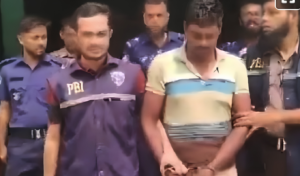
Over the past week, hundreds of people have taken to the streets in protest. Demonstrations in Abidjan were dispersed by security forces, while sporadic unrest such as road and school blockades has been reported across several regions.
According to Public Prosecutor Oumar Braman Kone, around 700 people have been arrested in the past week. He added that mobile phone data revealed coordinated calls for attacks on public institutions, which he labelled “acts of terrorism.”
| Recent Developments | Details |
| Protest Ban Duration | Two months |
| Effective For | All political groups except five approved candidates |
| Arrests Reported | 700+ in the past week |
| Sentences Issued | 26 protesters jailed for three years |
| Trials Pending | 105 protesters due to face trial next week |
| Election Date | 25 October |
On Thursday, 26 protesters were sentenced to three years in prison for public order offences, with 105 more set to go on trial in the coming days.
The opposition coalition, comprising Gbagbo’s African Peoples’ Party – Ivory Coast (PPA-CI) and Thiam’s Democratic Party of Ivory Coast (PDCI), has strongly condemned President Alassane Ouattara’s decision to seek a fourth term in office, calling the move undemocratic.
Amnesty International has urged the Ivorian government to halt the “repression” of peaceful demonstrations and to uphold citizens’ right to free expression. However, Justice Minister Sansan Kambile defended the restrictions, citing national security threats and the need to maintain public order during a volatile pre-election period.
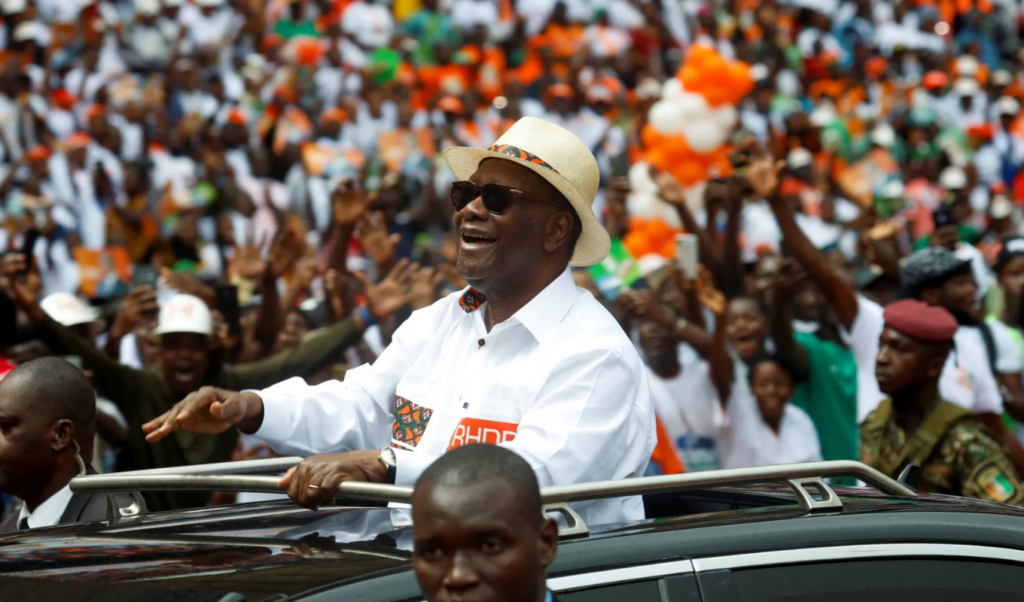
President Alassane Ouattara, who has been in power since 2011, faces four challengers in the upcoming election, including former minister Jean-Louis Billon and ex-first lady Simone Gbagbo.
The tightened restrictions and mass arrests have raised concerns among international observers about the credibility and fairness of the election process, as the nation braces for a potentially turbulent vote.