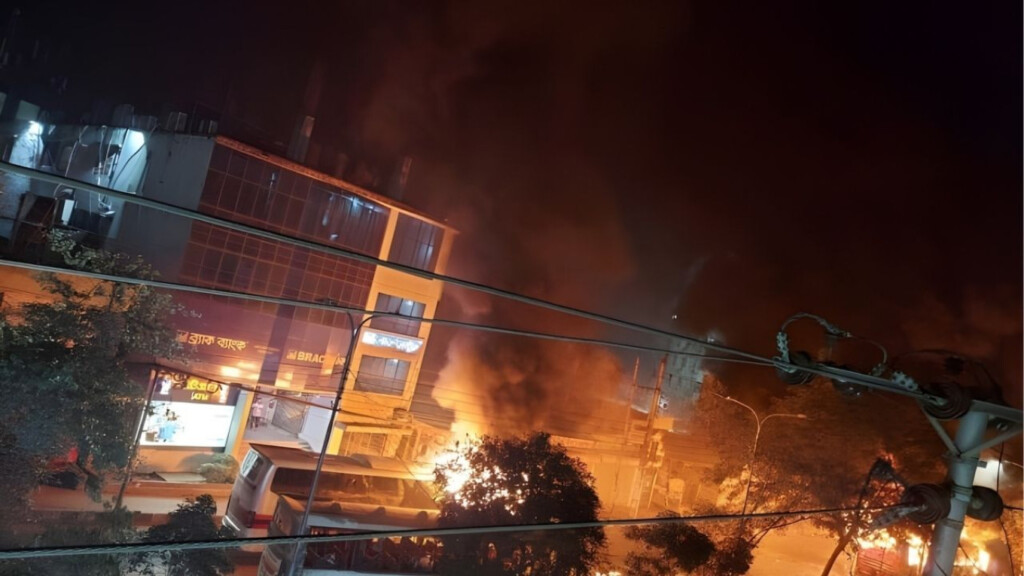
The fatal shooting of Juba Dal leader Golam Kibria in Pallabi on Monday evening has become emblematic of a broader security crisis gripping Bangladesh. What unfolded in just ten seconds outside a small hardware shop paints a disturbing picture of how emboldened, heavily armed criminals now operate.
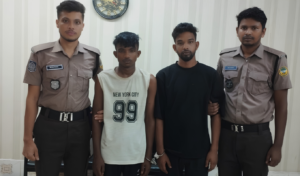
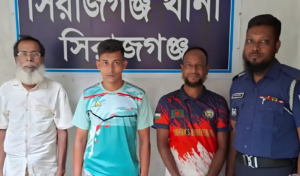
According to eyewitnesses, three helmeted gunmen arrived on a motorbike, entered the shop with military-like precision, and fired seven shots at point-blank range. Kibria crumpled immediately, yet the attackers continued shooting before speeding away—pausing only to fire upon a rickshaw-puller caught in their path. Locals managed to detain one man, but authorities remain silent regarding motive. Family members insist the killing was rooted in simmering political rivalry.
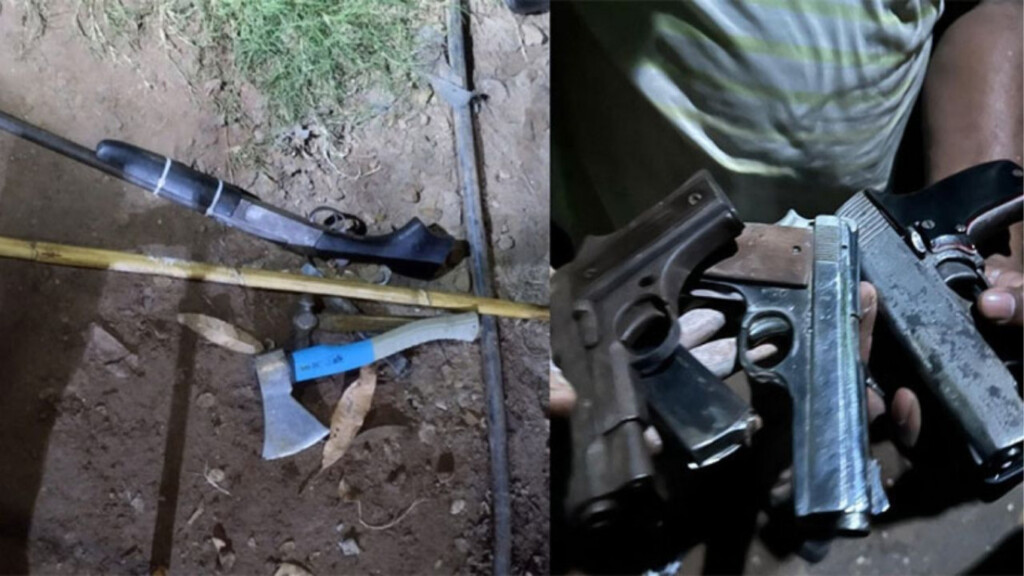
A pattern is now clear. Over the past weeks, the country has witnessed a string of audacious killings carried out with sophisticated weapons. In Old Dhaka, notorious gangster Tariq Saeed Mamun was assassinated outside a court complex, a murder that police say involved meticulously planned deception by fellow criminal Kamal. Firearms used in the attack were reportedly purchased for half a million taka.
Such incidents have heightened fears about the uncontrolled proliferation of illegal weapons. The breakdown of policing during last year’s mass uprising led to the looting of 5,750 firearms from police stations and prisons; astonishingly, more than 1,300—including sniper rifles, SMGs and LMGs—remain unaccounted for. Security specialists warn that these weapons are now circulating among extremist networks, escaped convicts and politically connected armed groups.
Complicating the situation further is a thriving cross-border arms trafficking industry. Intelligence sources report that between seven and thirty entry points along the Indian and Myanmar borders are being used to smuggle firearms into the country. The Myanmar frontier, particularly the remote forested areas of Bandarban, Rakhine-adjacent villages and Rohingya-held enclaves, is now considered one of the most active trafficking corridors. Multiple armed groups—including Chittagong Hill Tracts insurgents, Rohingya criminal syndicates and transnational networks—are allegedly involved.
The Sylhet border region has emerged as another hotspot, receiving a steady flow of revolvers, 9mm pistols and explosives from extremist groups operating in Assam, Tripura and Meghalaya. Earlier intelligence warnings highlighted online arms trading, prompting RAB to conduct several operations resulting in arrests.
Political tensions, meanwhile, are escalating ahead of the expected February general election. Recent murders of local leaders—such as Abul Kalam in Lakshmipur and a BNP-aligned businessman in Chattogram—have underscored the combustible mix of political factionalism and readily available weapons.
Despite assurances from police and border forces, the persistence of these killings suggests a widening gap between official narratives and ground realities. Analysts caution that unless the missing weapons are recovered and trafficking routes sealed, Bangladesh risks descending into a cycle of politically driven violence and armed criminality unprecedented in recent years.