The landscape of retail banking in Bangladesh has undergone a remarkable transformation during the third quarter of 2024, characterised by a striking divergence between participation and portfolio value. While the number of individual borrowers surged by over half a million, the actual volume of outstanding consumer debt witnessed a sharp contraction of more than 22,000 crore BDT. This suggests that while more citizens are seeking financial assistance, the total amount of credit circulating within the economy is being reined in by tighter institutional controls and a strategic pivot toward smaller, digital-based lending.
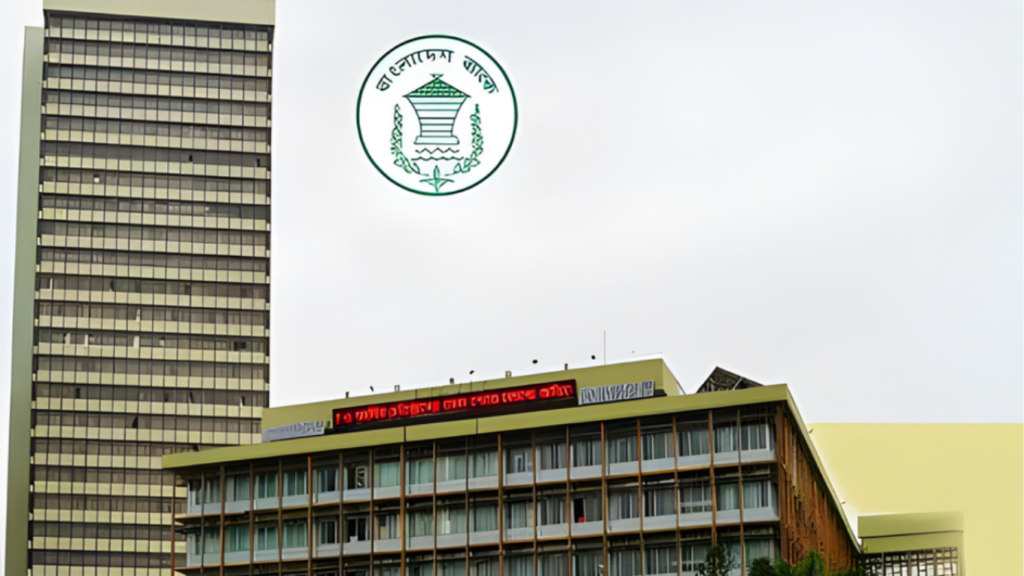
Data provided by the central bank reveals that by the close of September, the total consumer credit balance had receded to 1.50 trillion BDT, down from 1.72 trillion BDT just three months prior. This decline is particularly notable as it follows a period of robust growth in the second quarter. The contraction is largely attributed to the political transition following the fall of the Awami League government, which left approximately twenty-five percent of the nation’s banks in a state of operational paralysis. Furthermore, many institutions have utilised recent regulatory relaxations to write off defaulted consumer debts, effectively scrubbing non-performing assets from their balance sheets and lowering the overall “outstanding” figure.
Despite these headwinds, the demographic of the borrowing class is expanding rapidly. The total number of consumer loan clients grew from 4.92 million to over 5.50 million between July and September. This growth is spearheaded by top-tier private institutions such as BRAC Bank, City Bank, and Prime Bank, which have leaned heavily into salary-backed and digital loans. These products, often ranging from 5 lakh to 20 lakh BDT, are increasingly popular due to their lower default risks and high accessibility for salaried professionals.
| Consumer Credit Sector | June Balance (Crore BDT) | Sept Balance (Crore BDT) | Change (%) |
|---|---|---|---|
| Consumer Electronics & Furniture | 44,652 | 34,838 | -21.9% |
| Housing & Real Estate | 31,437 | 30,786 | -2.1% |
| Fixed Deposit (FDR) Loans | 30,409 | 25,088 | -17.5% |
| Transport & Vehicles | 6,602 | 5,709 | -13.5% |
| DPS Backed Loans | 7,202 | 5,342 | -25.8% |
| Medical & Professional Loans | 1,166 | 1,002 | -14.1% |
While sectors like housing and durable goods (TVs, refrigerators, and air conditioners) saw significant declines, other categories such as credit cards, education, and wedding loans remained resilient. The high interest rates—currently capped at 25% for credit cards and ranging between 11% and 14% for other personal products—have not deterred the influx of new users, though the size of the average loan has clearly diminished. This trend reflects a cautious public that is borrowing out of necessity for smaller expenses rather than making large-scale capital investments in a period of economic volatility.