The Islamic Republic of Iran has descended into widespread civil unrest as anti-government protests entered their twelfth consecutive day on Thursday. In a strategic move to quell the mounting dissent, authorities have implemented a near-total nationwide internet blackout, severely restricting the flow of information both within and outside the country’s borders.
Digital Iron Curtain Falls
The disruption was confirmed by NetBlocks, the global internet monitoring service, which reported a sharp and systematic collapse of connectivity across all major providers. According to NetBlocks, the blackout followed a period of escalating “digital censorship” specifically designed to hobble the coordination of protesters.
“The near-total disruption to internet connectivity in Iran is consistent with a government-mandated effort to silence dissent,” a NetBlocks spokesperson stated. Human rights advocates argue that these measures not only infringe upon the fundamental right to communication but also provide a cloak of invisibility for security forces to use lethal force without international scrutiny.
Economic Despair and Geographic Reach
The unrest initially ignited in Tehran’s historic Grand Market late last month. Merchants closed their shutters in protest against the catastrophic devaluation of the Iranian Rial, chronic economic mismanagement, and the strangling effect of Western sanctions. Since then, the movement has transformed into a broader challenge to the ruling establishment.
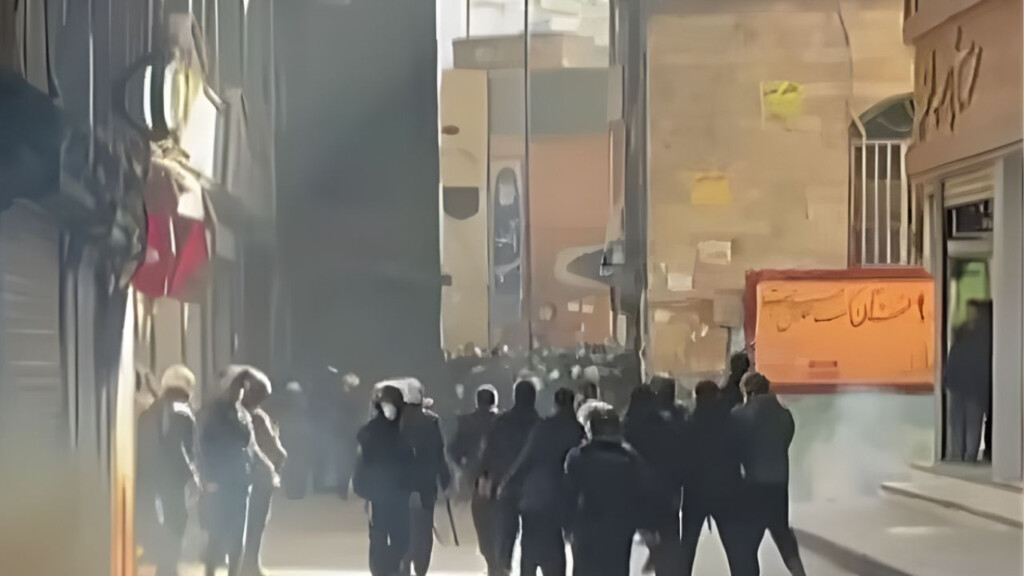
Data from the Human Rights Activists News Agency (HRANA) suggests the sheer scale of the defiance is unprecedented in recent years. Protests have been documented in 348 locations spanning 25 of Iran’s 31 provinces. From the capital, Tehran, to the Caspian Sea coastal town of Tonekabon—where security forces deployed tear gas to disperse crowds—thousands have taken to the streets.
Table: Snapshot of the Iranian Crisis (Day 12)
| Category | Statistical Detail | Source |
|---|---|---|
| Geographic Spread | 25 out of 31 Provinces | HRANA |
| Verified Locations | 348 Protests | HRANA |
| Estimated Death Toll | At least 21 (inc. security forces) | AFP / Official Data |
| Internet Status | Total National Blackout | NetBlocks |
| Primary Trigger | Currency Collapse & Inflation | Economic Analysis |
Conflicting Rhetoric from Tehran
The Iranian leadership appears divided in its public response to the escalating crisis. President Masoud Pezeshkian has called for “maximum restraint” in handling the demonstrations. However, this softer tone stands in stark contrast to the rhetoric of the Supreme Leader, Ayatollah Ali Khamenei, who asserted that “rioters must be taught a lesson.”
Furthermore, Chief Justice Gholam-Hossein Mohseni-Ejei has moved to delegitimise the movement, accusing protesters of coordinating with the United States and Israel to foster instability. He warned that there would be “no leniency” for those threatening national security.
Exiled Opposition Weighs In
From abroad, Reza Pahlavi, the exiled son of the late Shah Mohammad Reza Pahlavi, issued a call to action on Thursday evening. He urged citizens to maintain their presence in the streets despite the digital blackout, accusing the “clerical regime” of using the internet shutdown as a precursor to a more violent crackdown.
As smoke from street fires billows over the skylines of Borujerd and Gilan-e-Gharb, the international community watches with bated breath, concerned that the digital silence signals an imminent escalation in state-sponsored violence.