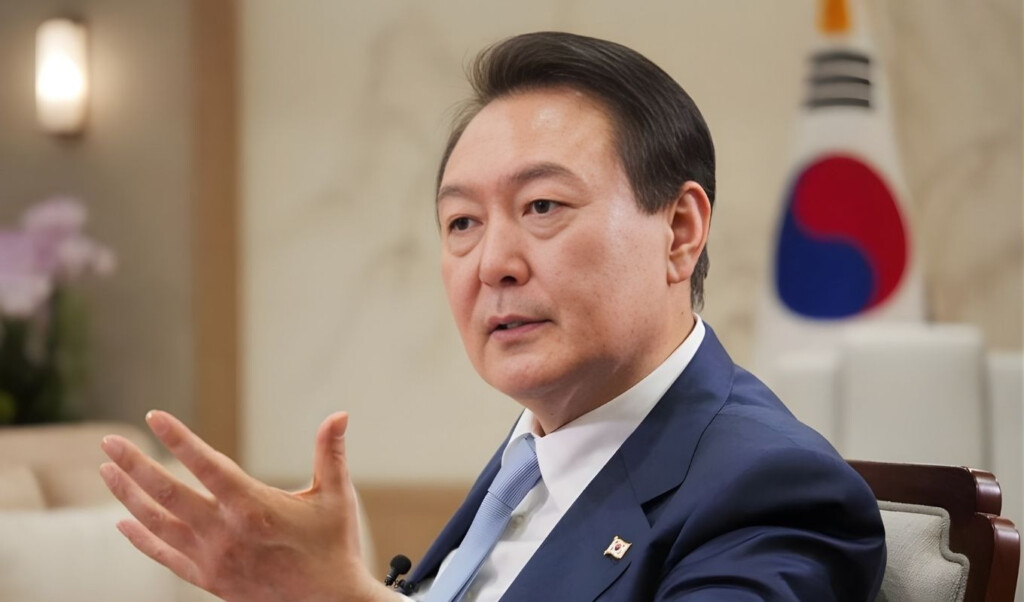
A South Korean court has sentenced former President Yoon Suk-yeol to five years in prison over his controversial declaration of martial law, in a landmark verdict that was broadcast live. The sentence, handed down on Friday, 16 January 2026, marks the first major judicial conviction against the former leader.
The ruling stems from events in December 2024, when Yoon attempted to impose martial law amid escalating political tensions. Prosecutors had accused him of obstructing judicial processes and falsifying government documents in relation to the failed decree. During the trial, evidence was presented that the former president deliberately interfered with the execution of arrest warrants and circumvented legal procedures, undermining the rule of law.
The court concluded that Yoon Suk-yeol’s actions violated multiple legal statutes, particularly regarding his interference with law enforcement agencies tasked with implementing the martial law provisions. The verdict represents a significant moment in South Korea’s democratic history, underscoring the judiciary’s independence and willingness to hold even former heads of state accountable.
Following the failed martial law declaration in December 2024, Yoon faced several criminal investigations. While several cases are still ongoing, this ruling is the first definitive legal outcome against him. Analysts suggest that the sentence may have substantial political repercussions, potentially reshaping the dynamics within South Korea’s ruling parties and influencing public opinion ahead of upcoming elections.
Key Details of the Case:
| Detail | Information |
|---|---|
| Defendant | Yoon Suk-yeol, Former President of South Korea |
| Charge | Obstruction of justice; falsification of government documents |
| Incident | Attempted imposition of martial law, December 2024 |
| Verdict | Guilty |
| Sentence | 5 years imprisonment |
| Court Ruling Date | 16 January 2026 |
| Significance | First major conviction against former president; live broadcast |
Legal experts note that the ruling could set a precedent for future accountability of high-ranking officials. Meanwhile, supporters of Yoon have condemned the sentence as politically motivated, while critics have hailed it as a necessary affirmation of constitutional order.
This high-profile conviction highlights the ongoing tensions between executive authority and judicial oversight in South Korea, demonstrating that attempts to bypass legal constraints—even at the highest levels—will face strict scrutiny.