Thursday, 20th August 2026

Khabor Wala Desk
Published: 18th January 2026, 8:00 AM
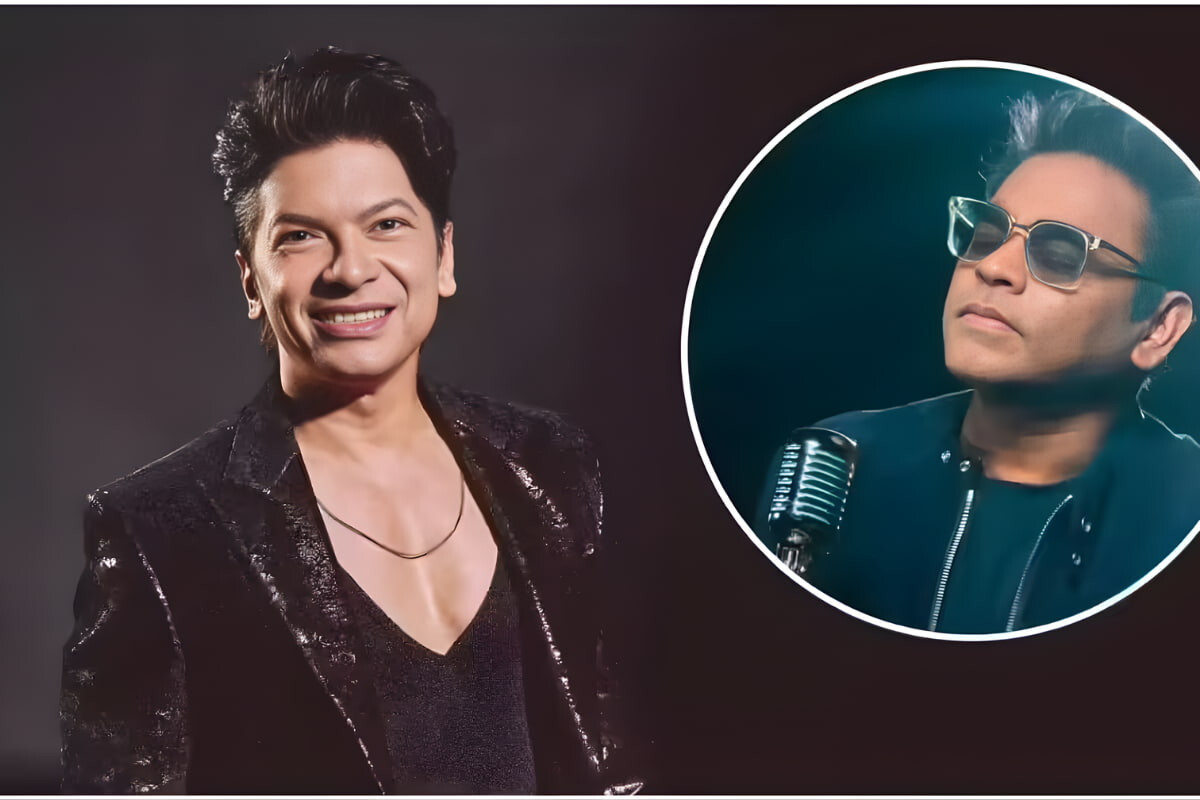
India’s Bollywood industry has recently been engulfed in a heated debate over religious influence and communal divisions, bringing to the fore concerns about equality and creative opportunities. At the centre of this discussion is Oscar-winning composer A. R. Rahman, whose comments have sparked widespread media attention and political reactions.
In a recent interview, Rahman revealed that his professional opportunities have significantly diminished over the past eight years. While he stopped short of issuing direct accusations, he suggested that “the politics of religious division” might have played a role. He remarked, “Energy is now concentrated elsewhere rather than on creativity. This could be due to religious reasons. No one has stated it openly, but I have heard such rumours circulating in the industry.”
Rahman’s remarks have reignited debates about whether Muslim artists in India face discrimination in Bollywood. The discussion has intensified following the rise of the ruling Bharatiya Janata Party (BJP), with opposition parties accusing the central government of allowing religion to increasingly influence the Hindi film sector. Conversely, some BJP leaders, including Union Minister Ramdas Athawale, legislator Jitendra Kumar Gothwal, and Minority Morcha head, have expressed scepticism regarding Rahman’s claims.
Against this backdrop, popular composer Shankar Mahadevan, known as Shan and a member of the Shankar–Ehsaan–Loy trio, offered a contrasting perspective. Shan acknowledged the natural fluctuations in artistic work, stating, “I have created many popular songs, yet there are times when work is scarce. I do not take this personally. A. R. Rahman’s talent is immense, and his popularity continues to grow. There is no religious bias in the industry. If discrimination existed, three superstar musicians from minority communities would not have sustained long-term success. Ultimately, quality and excellence in music determine success.”
The following table summarises the principal positions of both composers:
| Artist | Key Claim | Notable Remarks |
|---|---|---|
| A. R. Rahman | Opportunities have declined | References potential religious discrimination; based on industry rumours, not direct accusations |
| Shankar Mahadevan (Shan) | Career fluctuations are natural | Emphasises talent and quality; denies religious bias; success depends on merit |
Analysts note that the debate extends beyond the entertainment sector, touching broader social and political discourses in India. Long-term, communal tensions within the artistic community could affect creative standards and the overall quality of Bollywood productions. Nevertheless, Shan’s commentary has been received positively, offering a nuanced perspective amid ongoing discussions about merit versus perceived discrimination.
While the long-term impact of this controversy remains uncertain, the prevailing view is that talent, skill, and high-quality work in Bollywood can never be entirely insulated from political or religious influences. Consequently, Rahman and Shan’s exchange is expected to remain a focal point for media and public debate in the months and years ahead.




Comments