Friday, 21st August 2026

Khabor Wala Desk
Published: 20th January 2026, 8:11 AM
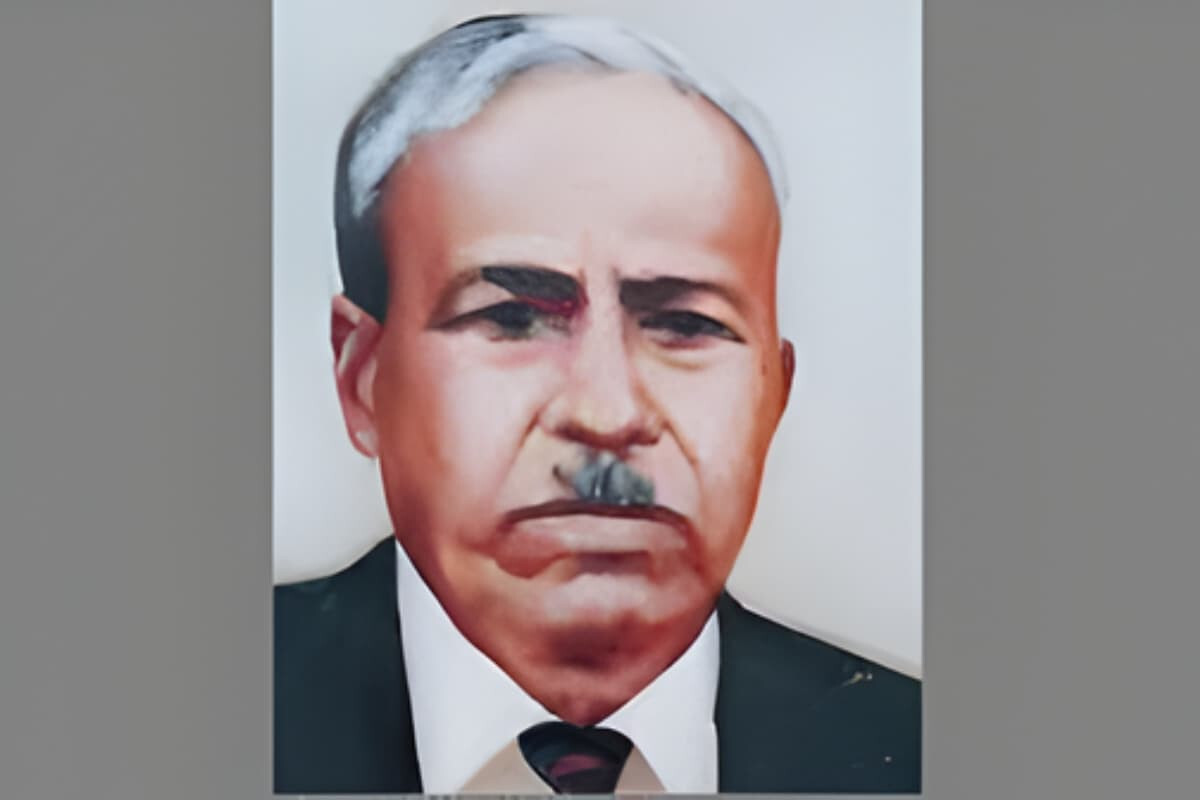
Madar Boksh occupies a singular and honoured place in the intellectual, linguistic and social history of Bengal. A language activist, educationist, politician and social reformer, he was also one of the founding figures behind the establishment of the University of Rajshahi. His life was marked by an unwavering commitment to knowledge, human dignity and moral courage, often exercised at considerable personal cost.
Born on 14 February 1905 in the village of Sthapandighi, located in the Chalan Beel region of Natore district, Madar Boksh emerged from a modest farming family. Despite persistent financial hardship, he demonstrated exceptional academic promise from an early age. Through determination and disciplined study, he transformed adversity into opportunity, shaping himself into a scholar of rare depth and progressive outlook.
His formal education began at Chowgram High School in Singra, from where he passed matriculation with first division in 1922. He subsequently completed his Intermediate examination at Rajshahi College in 1924 and earned his Bachelor of Arts degree in 1926. Driven by an unrelenting thirst for higher learning, he proceeded to Calcutta, where he obtained a Master’s degree in History from the University of Calcutta in 1928, followed by a Bachelor of Law degree from Presidency College in 1929. This rigorous academic training laid the foundation for his intellectual independence and reformist thinking.
During the closing years of British colonial rule, Madar Boksh became actively involved in politics through the Muslim League and participated in anti-colonial movements. In 1946, he was elected to the Legislative Assembly from constituencies covering Bagmara in Rajshahi and the Atrai–Manda areas of Naogaon. Concurrently, he served as Chairman of the Rajshahi Municipality, earning respect for his integrity and administrative competence.
Yet political power never eclipsed his ethical convictions. On issues of linguistic rights and public interest—particularly the status of the Bangla language—he adopted a principled and uncompromising stance. His dissent from party decisions eventually led to conflict with the Muslim League leadership and resulted in imprisonment. Gradually, ideological differences pushed him away from mainstream politics. Nevertheless, his withdrawal from electoral politics did not diminish his dedication to social and educational advancement.
Madar Boksh’s contribution to education remains profound and enduring. His vision, advocacy and active involvement were instrumental in the establishment of the University of Rajshahi, a landmark institution that transformed higher education in northern Bengal. Generations of students continue to benefit from this legacy.
After a life defined by service and struggle, he passed away on 20 January 1967, following a battle with cancer. He was laid to rest at the Kadirgong cemetery in Rajshahi. In recognition of his contributions, a residential hall at the University of Rajshahi bears his name—Madar Boksh Hall—ensuring that his memory remains woven into the fabric of academic life.
Madar Boksh stands as a rare example of a leader who valued principles above power and truth above convenience. His fearless commitment to language, education and justice continues to inspire.
| Aspect | Details |
|---|---|
| Date of Birth | 14 February 1905 |
| Place of Birth | Sthapandighi village, Natore |
| Education | BA (1926), MA in History (1928), BL (1929) |
| Political Role | Member, Legislative Assembly (1946) |
| Civic Role | Chairman, Rajshahi Municipality |
| Key Contribution | Founding role in University of Rajshahi |
| Date of Death | 20 January 1967 |
| Memorial | Madar Boksh Hall, University of Rajshahi |
A solemn tribute to Madar Boksh—educationist, language activist and moral reformer—whose life remains a guiding light for future generations.

Comments