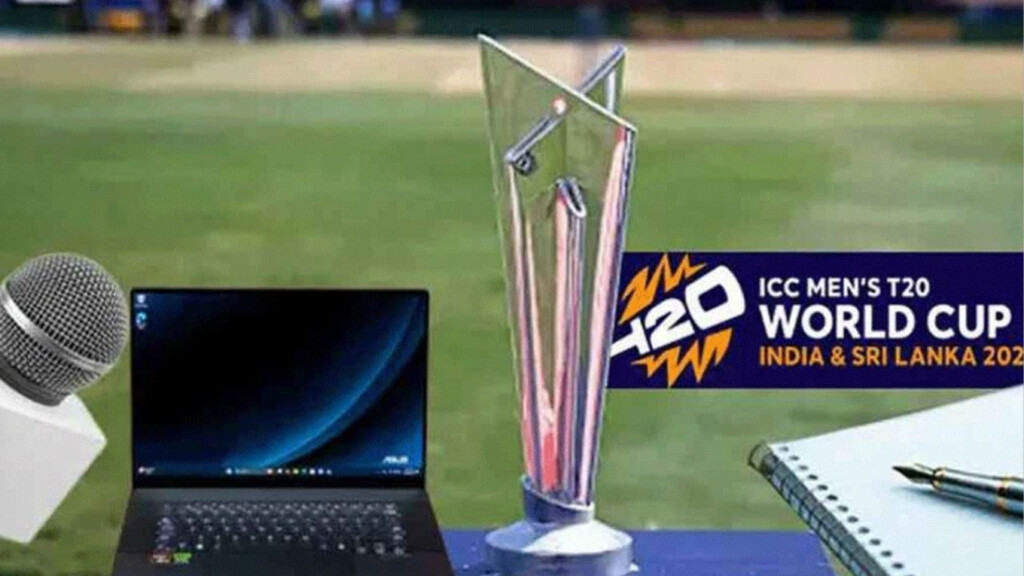
The deepening rift between the International Cricket Council (ICC) and the Bangladeshi sporting community has reached a new nadir. Following the controversial exclusion of the Bangladesh national team from the upcoming T20 World Cup, the ICC has now formally revoked the media accreditation of all Bangladeshi sports journalists. This unprecedented move marks the first time in decades that the nation’s press will be systematically barred from covering a major cricketing event.
A Blanket Ban via Electronic Dispatch
On Monday, 26 January 2026, journalists across Bangladesh received official correspondence from the ICC stating that their credentials to cover the tournament in India and Sri Lanka had been nullified. The governing body justified the decision by asserting that since Bangladesh is no longer a participating nation—having been replaced by Scotland—there is no longer a “procedural necessity” for a large Bangladeshi media contingent.
This justification has been met with fierce indignation. Historically, Bangladeshi media houses have provided extensive coverage of World Cups regardless of the national team’s performance or participation, reflecting the country’s status as one of cricket’s most passionate markets.
The ICC-Bangladesh Crisis Timeline
| Event | Date | Impact |
|---|---|---|
| Security Concerns Raised | 4 January 2026 | BCB cites safety risks for players and fans in India. |
| Bangladesh Replaced | 24 January 2026 | ICC invites Scotland to take Bangladesh’s slot. |
| Media Ban Issued | 26 January 2026 | All Bangladeshi press accreditation revoked. |
| Tournament Start | 7 February 2026 | World Cup commences in India/Sri Lanka. |
Political Undertones and Safety Warnings
The exclusion takes place against a volatile political backdrop. Recently, the Youth and Sports Advisor, Asif Nazrul, publicly stated that India remains “unsafe,” not only for Bangladeshi athletes but also for spectators and journalists. Critics suggest that the ICC’s decision to ban the press may be a retaliatory measure or a move to avoid potential diplomatic friction on Indian soil during the tournament.
Under the original schedule, Bangladesh was slated to play three high-profile fixtures in Kolkata and one in Mumbai. Relying on these fixtures, dozens of media outlets had already finalised travel logistics, hotel bookings, and broadcasting equipment transfers.
An Unbroken Streak Severed
Since Bangladesh’s debut in the 1999 World Cup, the nation’s journalists have been a permanent fixture in the press boxes of every ICC event. Even prior to 1999, Bangladeshi reporters frequently covered global tournaments as neutral observers.
“This is a dark day for sports journalism,” remarked a senior editor from a leading Dhaka daily. “The ICC is treating us like secondary citizens of the cricketing world. Our right to report on a global event should not be tied to a team’s participation.”
The ban effectively silences the voice of a nation that represents a significant portion of global cricket viewership, raising serious questions about the ICC’s commitment to inclusivity and freedom of the press.