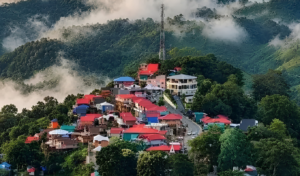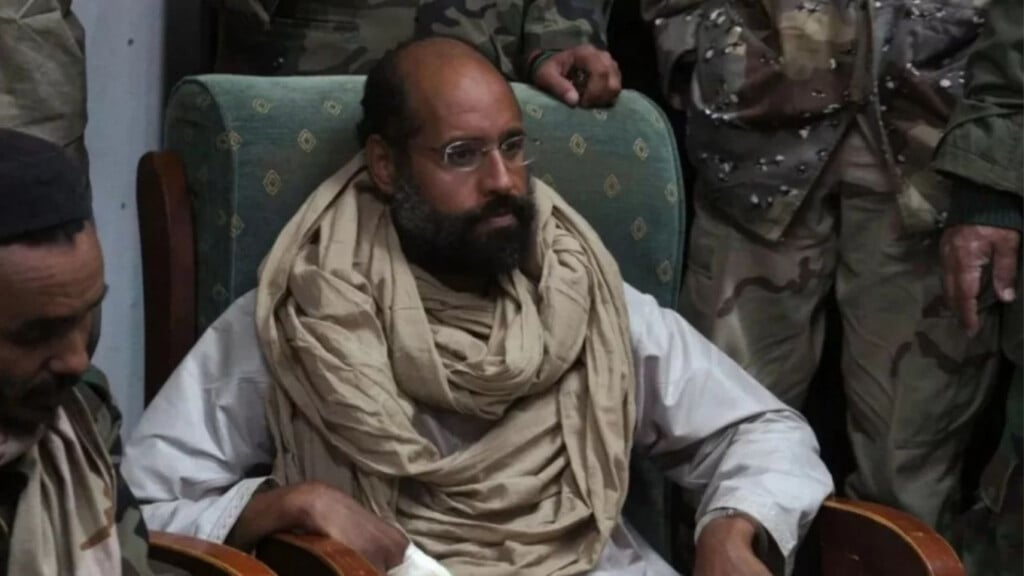
In a development that threatens to further destabilise the fragile political equilibrium of North Africa, Saif al-Islam Gaddafi, the most prominent son of the late Libyan dictator Muammar Gaddafi, has reportedly been killed. Early reports indicate that the 53-year-old was fatally shot on Tuesday in the western Libyan mountain town of Zintan, where he had resided under varying degrees of custody and protection for over a decade.
Conflicting Circumstances of the Assassination
Details surrounding the incident remain shrouded in the characteristic fog of Libya’s fractured security landscape. Ahmed Khalifa, a correspondent for Al Jazeera stationed in the region, noted that Saif al-Islam had effectively been an inhabitant of Zintan since the 2011 revolution. His death was formally corroborated by his senior political adviser, Abdullah Osman, although Osman stopped short of identifying the perpetrators or the specific motive behind the attack.
As of Wednesday morning, the internationally recognised government in Tripoli has maintained a conspicuous silence, neither confirming nor denying the reports. The absence of an official state narrative has led to rampant speculation regarding whether the killing was the result of a local tribal dispute or a calculated political assassination intended to remove a potential contender from future elections.
The Rise and Fall of the “Heir Apparent”
Saif al-Islam was long regarded as the sophisticated, Western-educated face of the Gaddafi regime. Unlike his more mercurial brothers, he cultivated an image of a reformer, playing a pivotal role in Libya’s brief rapprochement with the West in the early 2000s.
| Key Milestone | Event Description |
|---|---|
| 2008 | Awarded a PhD from the London School of Economics (LSE). |
| 2011 | Acted as the regime’s primary defender during the Arab Spring uprising. |
| Nov 2011 | Captured by Zintan-based rebels while attempting to flee to Niger. |
| 2015 | Sentenced to death in absentia by a court in Tripoli. |
| 2017 | Released from prison under a general amnesty but remained in Zintan. |
| 2021 | Attempted a political comeback by registering for the presidential elections. |
A Legacy of Ambiguity
Despite his intellectual pedigree, including a doctorate from the LSE focused on the role of civil society, Saif al-Islam’s legacy is deeply contentious. To his supporters, he represented a link to a more stable, albeit authoritarian, past; to his detractors and the International Criminal Court (ICC), he was a man complicit in crimes against humanity during the brutal suppression of the 2011 protests.
His sudden removal from the Libyan chessboard leaves a significant vacuum. Having attempted to run for the presidency in 2021, he remained a symbol of hope for “Green” loyalists who sought a return to the Jamahiriya system. His death likely marks the final chapter of the Gaddafi dynasty’s influence on the Mediterranean coast.