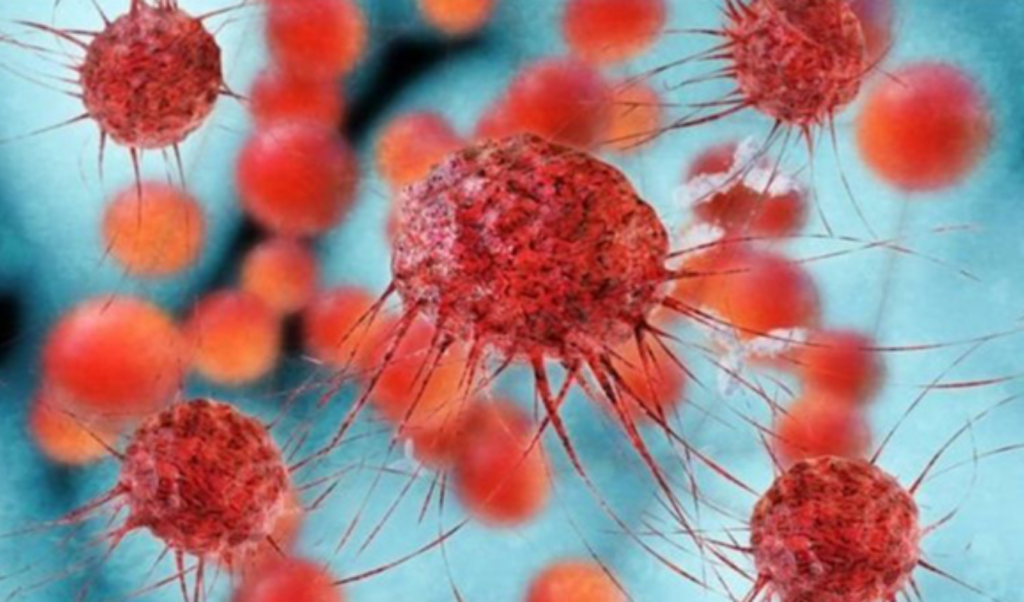
Raising awareness, adopting a healthy lifestyle, and undergoing timely screening can prevent a significant portion of cancers, according to doctors and public health experts. They warned that without effective preventive measures, cancer could become a major public health crisis in Bangladesh in the coming decades.
On Wednesday evening (4 February), to mark World Cancer Day 2026, a virtual seminar titled “Cancer Prevention: Lifestyle, Environment and Awareness” was jointly organised by the Wellbeing Foundation, JCI Dhaka Diplomats, and State University of Bangladesh. Experts emphasised the crucial role of early intervention, lifestyle modification, and community-based initiatives in reducing cancer risk.
The guest of honour, Professor Dr. Md. Anwar Hossain, Chairman of the Public Health Department at State University of Bangladesh, highlighted the importance of early awareness, routine screening, and healthy living habits in cancer prevention. He stressed that engaging the younger generation through university and community programmes could significantly reduce long-term cancer risk.
The keynote speaker, Professor Dr. Md. Habibullah Talukdar, President of the Bangladesh Cancer Foundation, reiterated that a large proportion of cancers are preventable. Avoiding tobacco, consuming a balanced diet, regular exercise, and timely medical check-ups are highly effective in mitigating risk. He also emphasised expanding community-based cancer services and preventive programmes.
Key Expert Recommendations:
| Expert | Position | Key Recommendations |
|---|---|---|
| Prof. Dr. Md. Anwar Hossain | Chairman, Public Health, State University of Bangladesh | Early awareness, regular screening, and healthy lifestyle adoption are vital. |
| Prof. Dr. Md. Habibullah Talukdar | President, Bangladesh Cancer Foundation | Avoid tobacco, balanced diet, exercise, timely medical check-ups; strengthen community programmes. |
| Dr. Syed Abdul Hamid | Professor, Health Economics, University of Dhaka | Cancer treatment imposes heavy financial burden; preventive measures and policy support needed. |
| Dr. Ali Nafisa | Specialist | Regular breast cancer screening, self-examination, and early treatment crucial for women. |
| Aisha Siddiqua | Health Expert | Healthy diet including fruits and vegetables, limiting processed foods helps prevent cancer. |
| Mujahid Shuvo | Secretary General, Bangladesh Health Reporters Forum | Media must provide accurate information to dispel myths, fear, and stigma. |
| Md. Anisul Islam | Awareness Specialist | Effective use of social media and digital content can engage youth in prevention efforts. |
Professor Dr. Syed Abdul Hamid cautioned that without proactive preventive strategies, the number of cancer patients could increase rapidly over the next 15–20 years. He emphasised that coordinated government support and multi-sectoral initiatives are essential.
Dr. Ali Nafisa noted that delayed diagnosis is a major reason for complications, particularly in breast cancer, highlighting the need for regular screening and early intervention. Meanwhile, Aisha Siddiqua underscored the preventive power of a nutritious diet, advocating daily inclusion of fruits and vegetables while reducing processed foods.
Mujahid Shuvo urged media professionals to play a responsible role in spreading accurate knowledge about cancer, correcting misconceptions, and reducing public fear. Md. Anisul Islam highlighted the potential of social media campaigns to increase awareness and mobilise youth participation.
The seminar, hosted by Md. Rajikul Hasan, President of the Wellbeing Foundation, concluded with a consensus that cancer prevention is not the responsibility of a single institution. Instead, it requires coordinated action from individuals, families, communities, and the state. Health professionals, students, volunteers, and citizens from across the country joined online to discuss practical steps to reduce cancer risk.
Experts agreed that timely interventions, healthy lifestyles, and educational initiatives could significantly reduce cancer incidence, while delays in diagnosis and lack of awareness often result in costly and complicated treatment.