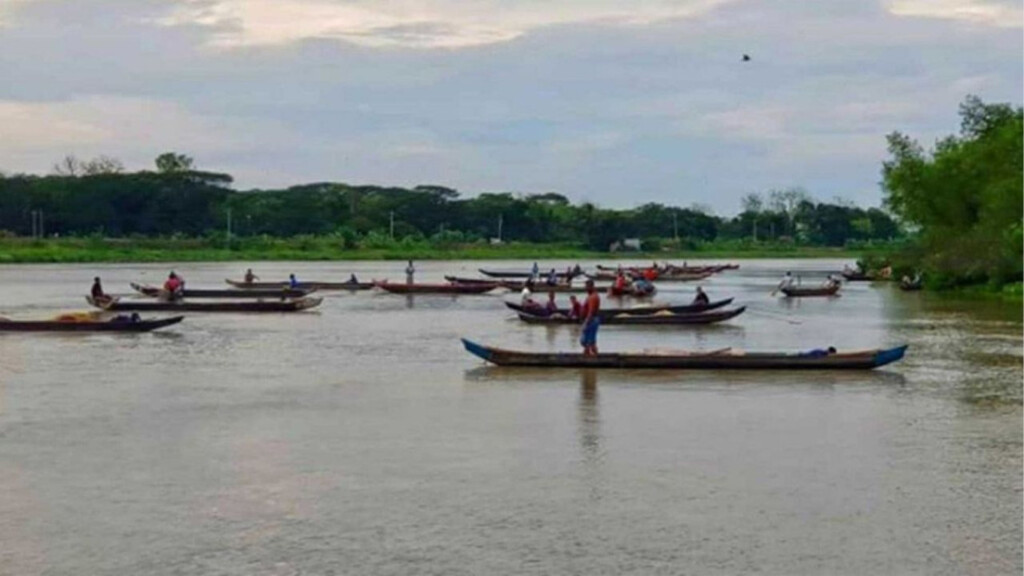
In a decisive victory for environmental conservation, the Manikchhari segment of the Halda River basin has successfully achieved a total cessation of tobacco cultivation this year. This milestone follows years of ecological concern regarding the river, which remains Bangladesh’s only natural spawning ground for indigenous carp species and holds the prestigious status of a National Fisheries Heritage site.
A Coordinated Success
The transformation was formalised on Monday, 9 February 2026, through a press release from the Ministry of Fisheries and Livestock. This shift is the culmination of a rigorous joint initiative involving the district and upazila administrations, alongside the Department of Fisheries. Just one year ago, the region recorded 11 prominent tobacco farmers operating across approximately 20 acres of land. Today, that figure has been reduced to zero.
The transition was catalysed by a government gazette notification issued on 5 November, which officially prohibited tobacco farming within the Halda basin. Following this, the Khagrachhari District Law and Order Committee convened on 21 December to enforce the ban and address illegal sand extraction. Officials engaged directly with local farmers during the crucial planting months of December and January, persuading them to abandon tobacco in favour of ecologically sustainable alternatives.
Shift in Land Use: Manikchhari Basin (2025 vs 2026)
| Metric | 2025 Statistics | 2026 Statistics |
|---|---|---|
| Active Tobacco Farmers | 11 | 0 |
| Land Under Tobacco Cultivation | ~20 Acres | 0 Acres |
| Regulatory Status | Permitted/Monitored | Strictly Prohibited |
| Primary Substitute Crops | N/A | Mustard, Maize, Vegetables |
| Environmental Risk Level | High (Chemical Run-off) | Low (Sustainable Farming) |
Protecting the “Fisheries Heritage”
Environmental experts have long warned that tobacco farming is inherently incompatible with the Halda’s delicate ecosystem. The crop requires an intensive regimen of pesticides and chemical fertilisers; during the monsoon, these toxins wash into the river, severely degrading water quality and threatening the survival of fish embryos.
Farida Akhter, Adviser to the Ministry of Fisheries and Livestock, has lauded the progress but remains vigilant. She has issued directives for continuous monitoring to ensure that tobacco cultivation does not resurface in future seasons. Meanwhile, the Department of Agricultural Extension is actively incentivising farmers to pivot toward high-yield food crops, such as mustard and maize, providing both seeds and technical expertise.
By eliminating this source of chemical pollution, authorities believe the Halda River will see a significant restoration of its biodiversity, ensuring that its vital role in the nation’s fish supply remains secure for future generations.