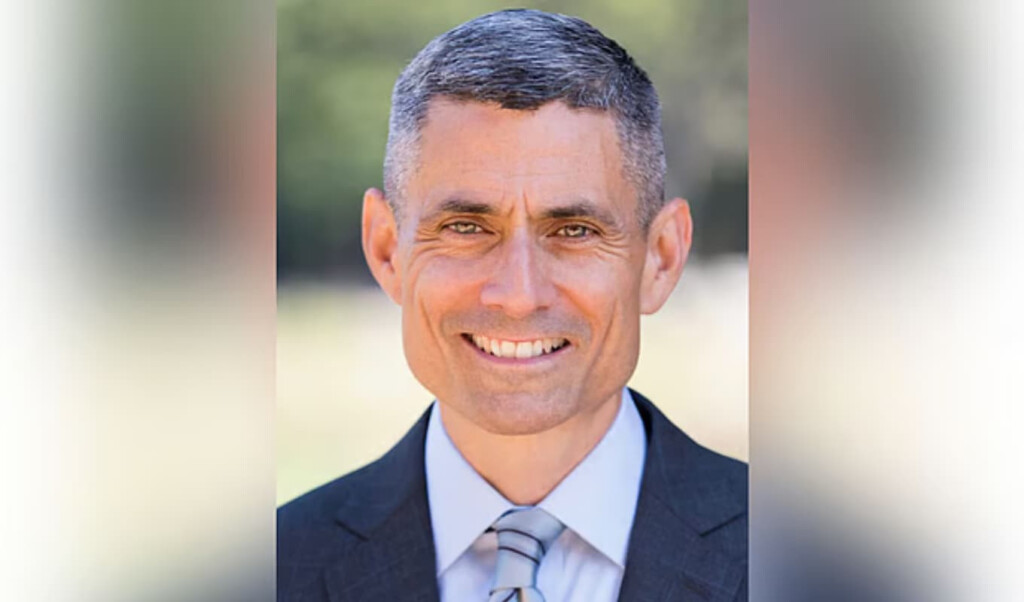
Following the conclusion of Bangladesh’s 13th parliamentary election, the Trump administration is moving to recalibrate and deepen its strategic and multifaceted partnership with Dhaka. Diplomatic preparations are under way to elevate bilateral engagement, with informed sources indicating that S. Paul Kapur, the United States Assistant Secretary of State for South and Central Asia, may visit Bangladesh in the first week of March. The prospective visit is widely viewed as an effort to clearly articulate Washington’s priorities and policy posture towards the newly formed government in the post-election context.
According to diplomatic sources, US Ambassador to Bangladesh Brent Christensen recently raised the issue of Kapur’s potential visit during meetings with Foreign Affairs Adviser Md Touhid Hossain and Foreign Secretary Asad Alam Siam. Kapur has reportedly expressed interest in travelling to Dhaka between 6 and 9 March. If the visit materialises, it would represent one of the first major high-level diplomatic engagements between the United States and Bangladesh since the new government assumed office, signalling Washington’s intent to engage early and decisively.
President Donald Trump nominated Kapur, an American of Indian origin, for the South and Central Asia portfolio in February last year. His nomination was subsequently endorsed by the Senate Foreign Relations Committee, with his appointment formally confirmed in October. Since assuming office, Kapur has been actively involved in reshaping US strategic interests across South Asia, with a particular emphasis on balancing economic engagement, security cooperation, and geopolitical competition.
During his Senate confirmation hearing, Kapur underscored Bangladesh’s growing economic and strategic importance in South Asia. He noted that Bangladesh is among the region’s largest economies after India, making it a key partner for the United States in trade, regional stability, and broader geopolitical cooperation. Kapur was explicit in identifying countering China’s expanding influence, strengthening regional security frameworks, and expanding bilateral trade as central pillars of his agenda.
This outlook aligns with broader US diplomatic messaging in Dhaka. Ambassador Christensen has repeatedly highlighted the intensifying geopolitical competition with China, framing Bangladesh as a significant arena in that contest. Analysts point out that Washington’s stance has hardened following legislative and strategic developments in the US Senate, including the passage of the “Think Twice Act” and the articulation of updated national security strategies. Against this backdrop, Kapur’s visit is expected to convey Washington’s position on China with notable clarity to Bangladesh’s new leadership.
Kapur’s academic and professional background further reinforces his suitability for the role. A long-time scholar of South Asian politics, security, and international relations, he brings a blend of academic insight and policy experience. Observers argue that this dual perspective enables him to navigate the region’s complex political realities with greater nuance and strategic foresight.
The table below summarises key details of S. Paul Kapur’s profile and career:
| Category | Details |
|---|---|
| Current Position | US Assistant Secretary of State for South and Central Asia |
| Appointment Confirmed | October (last year) |
| Academic Background | South Asian politics and international relations |
| Previous Role | Policy Planning Official, US State Department (2020–21) |
| Education | BA: Amherst College; PhD: University of Chicago |
Overall, the anticipated visit by S. Paul Kapur goes beyond routine diplomacy. It is increasingly being viewed as a pivotal moment that could help define the future trajectory of Bangladesh–US relations in the post-election period, setting the tone for engagement on trade, security, and regional geopolitics in the years ahead.