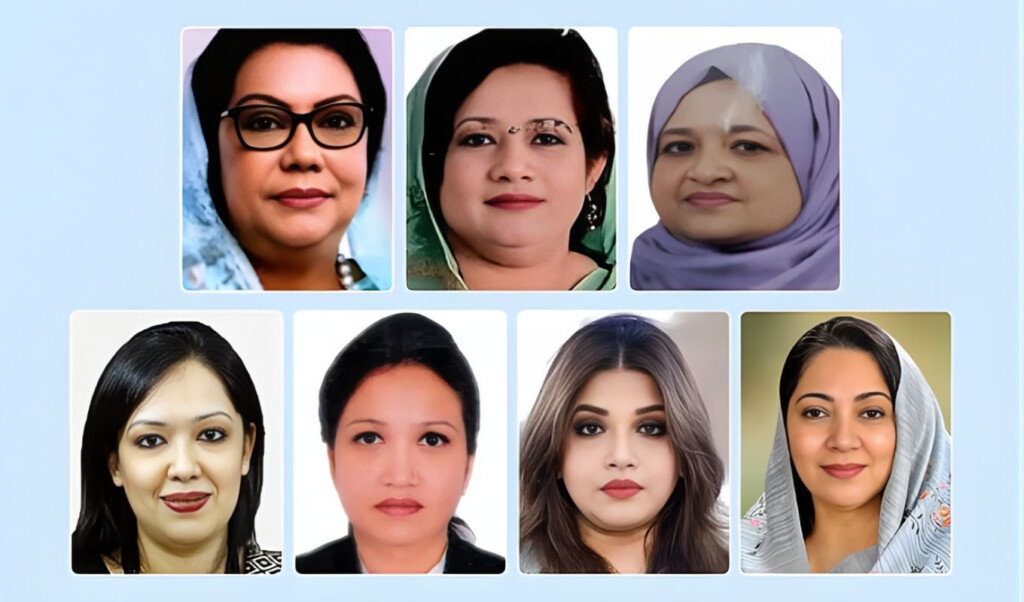
As the results of the 13th National Parliament elections continue to emerge, early reports indicate a notable yet modest success for female candidates. As of Friday morning at 10:30 am, unofficial results from 258 constituencies have been released, showing seven women have emerged victorious.
This year, a total of 85 women contested the elections, representing roughly 4 per cent of all 2,017 candidates across 300 seats. Of these, 66 stood for political parties, while 19 ran as independents. One candidate represents the Hijra community.
Leading Female Victories
Among the winners, some notable results include:
| Constituency | Candidate | Party / Symbol | Votes | Closest Rival | Rival Votes | Margin |
|---|---|---|---|---|---|---|
| Manikganj-3 (Saturia, Manikganj Sadar, 8 unions) | Afroza Khanam | BNP / ‘Paddy Sheaf’ | 167,345 | Muhammad Said Noor (Khelafat Majlis / Rickshaw) | 64,242 | 103,103 |
| Jhalokathi-2 (Jhalokathi Sadar, Nalchiti) | Israt Sultana Elin Bhutto | BNP Alliance / ‘Paddy Sheaf’ | 113,100 | SM Neyamul Karim (Jamaat / Darpalla) | 69,805 | 43,295 |
| Sylhet-2 (Bishwanath, Osmani Nagar) | Tahsina Rushdi (Luna) | BNP / ‘Paddy Sheaf’ | 117,956 | Muhammad Muntachir Ali (Khelafat Majlis) | 38,635 | 79,321 |
| Brahmanbaria-2 (Sarail, Ashuganj, partial Bijoynagar) | Rumin Farhana | Independent / ‘Duck’ | 117,495 | Junaid Al Habib (BNP Alliance / Jamiat Ulema) | 79,927 | 37,568 |
| Natore-1 | Farzana Sharmin | BNP | – | – | – | – |
| Faridpur-2 | Shama Obayed Islam | BNP | – | – | – | – |
| Faridpur-3 | Nayab Yusuf Ahmed | BNP | – | – | – | – |
In Sylhet-2, Tahsina Rushdi (widow of the late BNP leader M. Ilyas Ali) stood out as the only female candidate among 33 contestants across six constituencies in the district.
Profile of Female Candidates
Analysis of affidavits submitted to the Election Commission reveals that 64 of the 85 female candidates hold bachelor’s or master’s degrees, indicating that 75 per cent are highly educated. The majority (32 candidates) fall in the 25–39 age bracket, and approximately 67 per cent are professionally employed.
While women’s representation remains limited, early results demonstrate that female candidates are achieving substantial margins where victorious, reflecting both their electoral appeal and growing prominence in Bangladeshi politics.