Cross-border mergers among European Union banks have reached their highest levels since the 2008 financial crisis, signalling a potential shift in the continent’s long-fragmented banking landscape. The revival of dealmaking reflects a combination of stronger profitability, higher share prices, and renewed strategic ambitions among European lenders.
Data from Dealogic shows that the total value of cross-border EU banking transactions surged to €17 billion last year, a dramatic increase from just €3.4 billion in 2022. Several multibillion-euro mergers were instrumental in this leap, demonstrating that banks are increasingly willing to pursue international expansion despite persistent regulatory and political hurdles.
| Year | Total Value of Cross-Border EU Banking Deals (€bn) | Notes |
|---|---|---|
| 2022 | 3.4 | Limited activity amid cautious market sentiment |
| 2023 | 17 | Driven by multiple multibillion-euro mergers |
| 2008 | 18 | Preceding global financial crisis peak |
For years, policymakers have advocated for greater consolidation across the EU’s banking sector. Executives have argued that the region’s fragmented market has hampered competitiveness, leaving European banks vulnerable to larger US rivals. Regulatory complexity and national-level resistance have historically slowed progress, but current market conditions appear to be overcoming these obstacles.
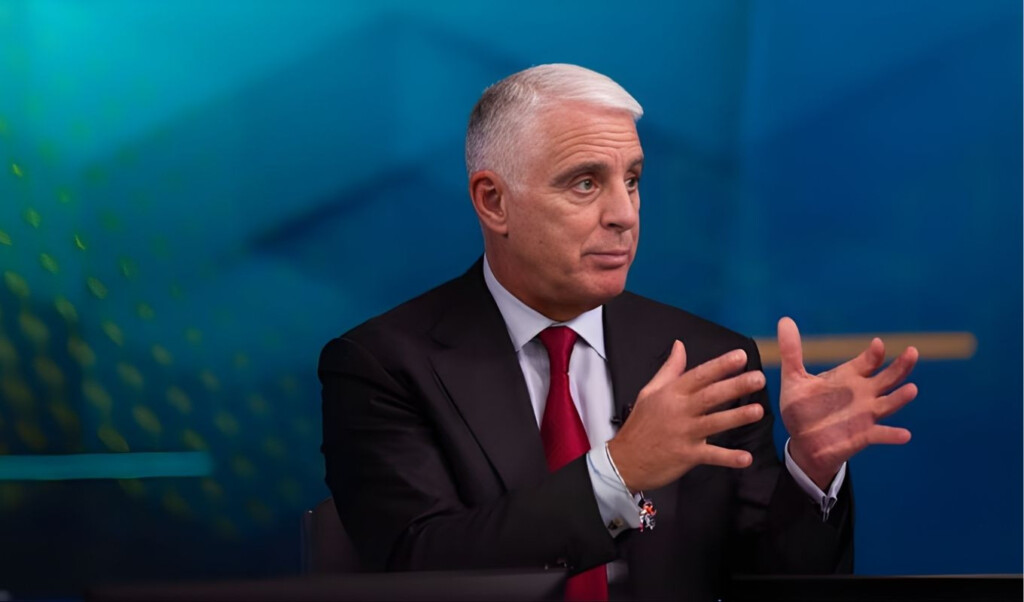
Andrea Orcel, CEO of UniCredit, has long promoted the creation of larger, stronger European banks capable of competing on a global stage. Speaking last week, Orcel noted: “The competitive landscape is going to change dramatically,” citing the transformative influence of new technologies and the rapid rise of fintech companies.
He added: “I’m pretty convinced that there will be fewer banks by 2030. There will be winners and losers, and the dispersion between them will be much, much greater. Some will consolidate. Some will be wiped out.”
Industry analysts suggest that rising profitability and investor confidence are key drivers behind the recent dealmaking surge. European banks, flush with capital from improved earnings, appear increasingly willing to take strategic risks, including cross-border mergers that were once viewed as too complex or politically sensitive.
While regulatory reforms remain gradual, the current wave of mergers indicates a growing determination among European lenders to pursue scale and efficiency wherever possible. If this trend continues, the EU banking sector could see a marked shift towards larger, more internationally competitive institutions over the next decade.