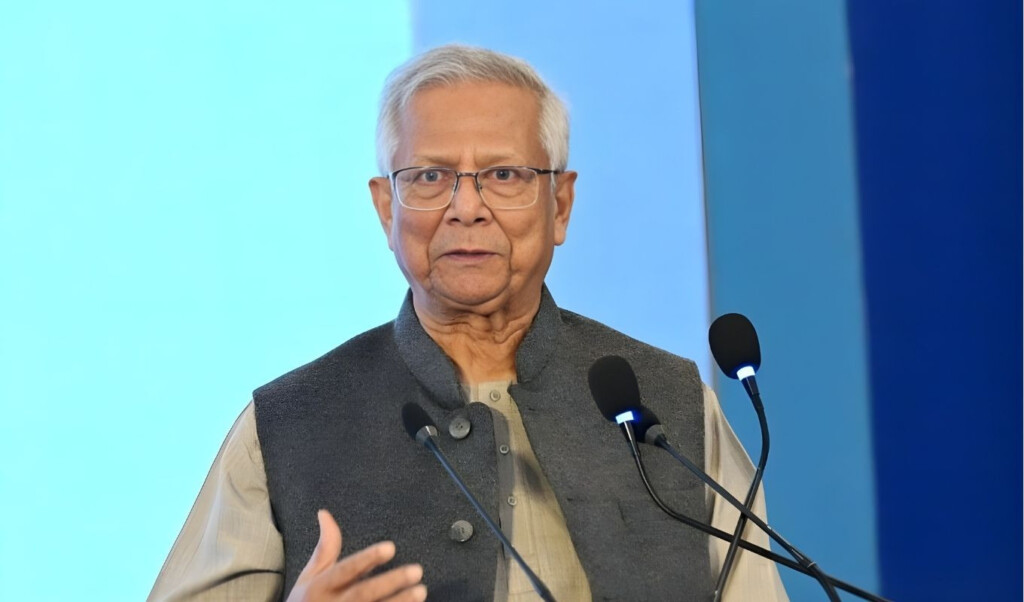
Dr Muhammad Yunus, the Nobel Peace Prize-winning economist renowned for his vision of “sending poverty to the museum,” has departed from his role as Chief Adviser to Bangladesh’s interim government. Yet, his tenure, intended to be a transformative period for poverty alleviation, appears to have fallen short of expectations. During his 18-month stewardship, approximately three million new citizens were pushed below the poverty line, highlighting a dramatic reversal in the nation’s socio-economic trajectory.
Experts note that Yunus assumed office on 8 August 2024, following the fall of the Awami League government in the wake of a mass popular uprising led by anti-inequality student movements. He appointed his preferred advisory council and special assistants, while enjoying broad support from political and student factions—including BNP, Jamaat, and NCIP—who had championed the uprising. This combination of political backing and institutional authority presented a unique opportunity for structural reform: eradicating poverty, curbing corruption, stabilising financial sectors, and strengthening state institutions.
Yet, according to analysts, these opportunities were largely missed. Jahangirnagar University’s former Vice-Chancellor and economist Professor Abdul Bayes remarked, “Expectations were high that the country’s battered economy would recover under Dr Yunus’s guidance. Instead, most economic indicators declined sharply, with the exception of remittance inflows and foreign reserves.”
Domestic business confidence plummeted, industrial output declined, and foreign and local investment stagnated. Unemployment and poverty increased, while private sector investment reached a four-decade low. Government spending also fell to a ten-year minimum, with Annual Development Programme (ADP) implementation achieving only 11.5% between July and November 2025—the lowest rate in a decade.
Meanwhile, the banking sector faced an unprecedented surge in non-performing loans, reaching 35.73% of total loans by September 2025—one of the highest rates globally. By the end of his tenure, Yunus left the government with a debt burden of approximately BDT 23 trillion, financed through domestic and foreign borrowing.
| Economic Indicator | Status Under Yunus (2024–2025) | Comparison/Remark |
|---|---|---|
| New Poverty Cases | ~3 million | World Bank estimate |
| Private Investment (% of GDP) | 22.48% | Four-decade low |
| ADP Implementation | 11.5% | Ten-year low |
| Non-Performing Loans | 35.73% | Highest globally |
| Inflation vs Wage Growth | 8.5% vs 8.1% | Decline in purchasing power |
| Debt Burden | BDT 23 lakh crore | Significant increase |
Dr Yunus highlighted growing reserves in his farewell address, attributing it to remittances and reduced food inflation. However, critics—including UK-based academic Dr Lubna Turin—argue that reserve accumulation alone is insufficient. Rather, priorities should focus on production capacity, employment, food and energy security, and policy independence. The interim administration reportedly relied on import restrictions, curtailed industrial activity, and increased living costs to bolster reserves, raising concerns about long-term economic sustainability.
Promised reforms across governance, judiciary, election administration, and anti-corruption measures largely remained unfulfilled. Allegations of corruption, preferential treatment for Yunus-linked institutions, and suppression of dissent—including media crackdowns and mob violence targeting religious and historical sites—have further tarnished his record. His flagship “Three Zero” campaign—zero poverty, zero unemployment, zero carbon emissions—remained unachieved, with both poverty and unemployment rising during his tenure.
As Dr Yunus returns to his prior engagements, questions linger: can he credibly continue advocating global “Three Zero” initiatives after presiding over one of Bangladesh’s most challenging socio-economic periods? Observers argue that this will test not only his credibility but also the feasibility of translating visionary ideals into governmental action.