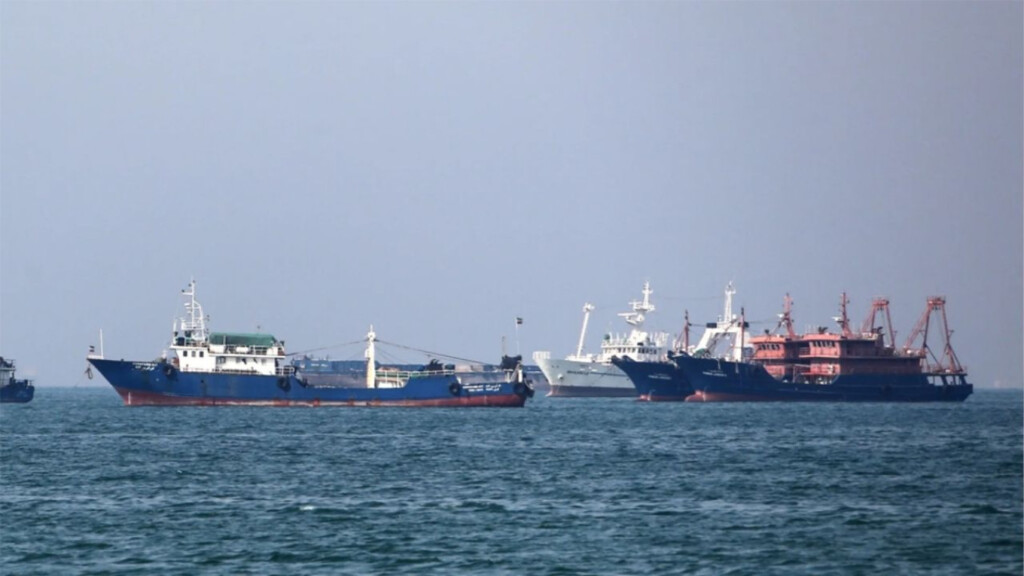
The geopolitical landscape has shifted into a state of high-altitude turbulence following the joint US-Israeli strategic strikes on Iran. In a move that has sent shockwaves through international markets, Tehran has effectively mobilised its most potent economic weapon: the closure of the Strait of Hormuz. Reports from the semi-official Tasnim News Agency indicate that the Islamic Revolutionary Guard Corps (IRGC) has begun issuing VHF radio warnings to all maritime traffic, declaring the passage strictly off-limits.
The World’s Most Critical Chokepoint
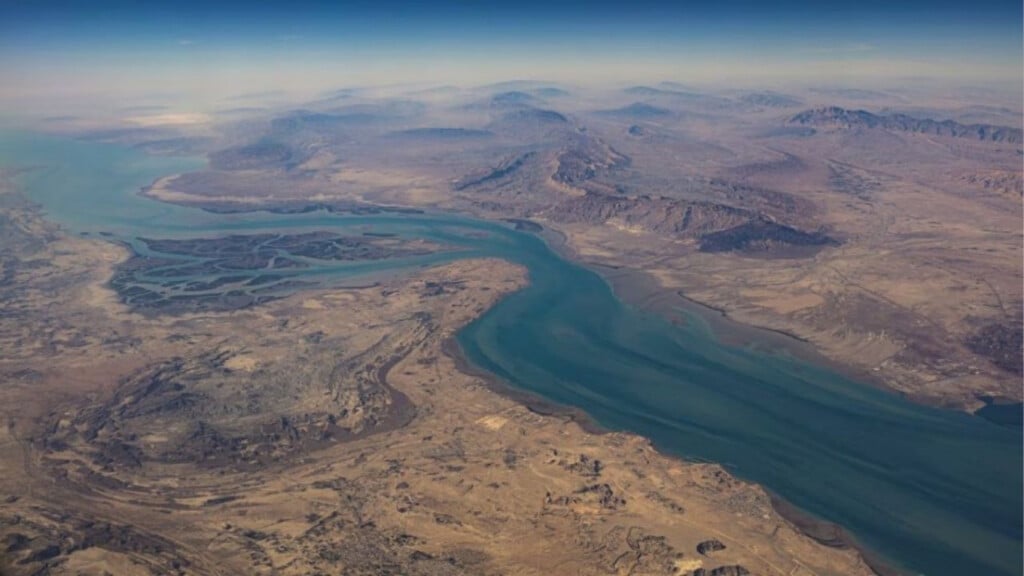
The Strait of Hormuz is not merely a geographical feature; it is the jugular vein of the global energy trade. Situated between Iran to the north and Oman and the United Arab Emirates to the south, this narrow waterway serves as the sole maritime gateway from the Persian Gulf to the open waters of the Arabian Sea and the Indian Ocean.
According to data from the U.S. Energy Information Administration (EIA), approximately 20% of the world’s total petroleum consumption—amounting to roughly 21 million barrels of oil per day—passes through this 21-mile-wide conduit.
Quantifying the Global Impact
The immediate cessation of transit has triggered a visceral reaction in the commodities pits of London and New York. While Brent Crude sat at a relatively stable position prior to the strikes, analysts are now projecting a vertical climb in prices.
Table: Projected Market Impact of Prolonged Blockade
| Financial Institution | Projected Oil Price (per Barrel) | Primary Concern |
|---|---|---|
| Current Market (Pre-Blockade) | ~$73.00 | Baseline stability. |
| Goldman Sachs Forecast | $100.00+ | Sustained supply-side shock. |
| Equirus Securities | $95.00 – $110.00 | Logistics and insurance premiums. |
| Rystad Energy | $120.00 (Worst Case) | Total regional conflagration. |
Economic Contagion and Inflationary Pressure
The ramifications of a closed Strait extend far beyond the petrol pump. A sustained blockade would likely ignite a fresh wave of global inflation, as increased transport and energy costs filter down to every sector of the economy. European and Asian nations, which rely heavily on Middle Eastern Liquefied Natural Gas (LNG) and crude, face the most immediate threat of industrial slowdowns and power shortages.
Furthermore, shipping insurance rates for the region have already skyrocketed, with many underwriters refusing to cover vessels entering the Gulf of Oman. As the IRGC maintains its “red line” in the water, the international community faces a choice: pursue a diplomatic de-escalation or risk a global economic depression triggered by the world’s most effective maritime blockade.