Bangladesh has formally launched a nationwide fuel rationing system from Sunday, 8 March, in an effort to prevent a prolonged energy shortage and maintain stability in the domestic fuel market. The measure, introduced by the Bangladesh Petroleum Corporation (BPC), sets daily limits on the amount of fuel that different categories of vehicles can purchase at filling stations across the country.
Government officials say the decision is a precautionary response to uncertainties in global energy markets, particularly those linked to ongoing geopolitical tensions in the Middle East. Authorities emphasise that the country currently holds sufficient fuel reserves, but the rationing system is intended to discourage panic buying and ensure equitable distribution.
The policy was implemented following directives issued to fuel station operators by Iqbal Hasan Mahmud Tuku, Minister of State for Power, Energy and Mineral Resources, and Anindya Islam Amit, the ministry’s junior minister. Filling stations were instructed to adhere strictly to the newly determined limits and maintain proper monitoring procedures.
Daily Fuel Allocation by Vehicle Type
According to official guidance released by the BPC, fuel distribution will now depend on the category of vehicle. Private motorcycles are permitted to purchase a maximum of two litres of petrol or octane per day. For private cars, the daily allocation is set at up to ten litres.
Larger private vehicles, including sport utility vehicles (SUVs), jeeps and microbuses, have been granted a higher daily allowance, reflecting their greater fuel consumption. In addition, diesel allocations for the commercial transport sector have also been regulated to maintain operational continuity while preventing excessive demand.
The current limits are summarised below:
| Vehicle Category | Fuel Type | Daily Allocation |
|---|---|---|
| Motorcycle | Petrol/Octane | Up to 2 litres |
| Private Car | Petrol/Octane | Up to 10 litres |
| SUV / Jeep / Microbus | Petrol/Octane | 20–25 litres |
| Local-route Bus / Pickup Van | Diesel | 70–80 litres |
| Long-distance Bus | Diesel | 200–220 litres |
| Truck / Covered Van / Container Truck | Diesel | 200–220 litres |
Officials explained that these quotas were determined after assessing average consumption levels and operational requirements across different vehicle classes.
Monitoring and Enforcement Measures
To ensure compliance, the government has deployed mobile courts nationwide starting from the first day of the programme. These enforcement teams will inspect filling stations, verify sales records, and take legal action against any operators found violating the rationing guidelines.
Minister Tuku stated that the initiative is primarily aimed at preventing irregularities in fuel distribution rather than addressing an immediate supply shortage. “The country has adequate fuel stocks,” he said, adding that two additional oil tankers are scheduled to arrive at national ports on 9 March, further strengthening supply.
Authorities have also warned filling station owners against selling fuel beyond the allocated limits or favouring specific customers. Such practices, officials say, could rapidly deplete available stocks and create artificial shortages.
Public Concern and Government Assurance
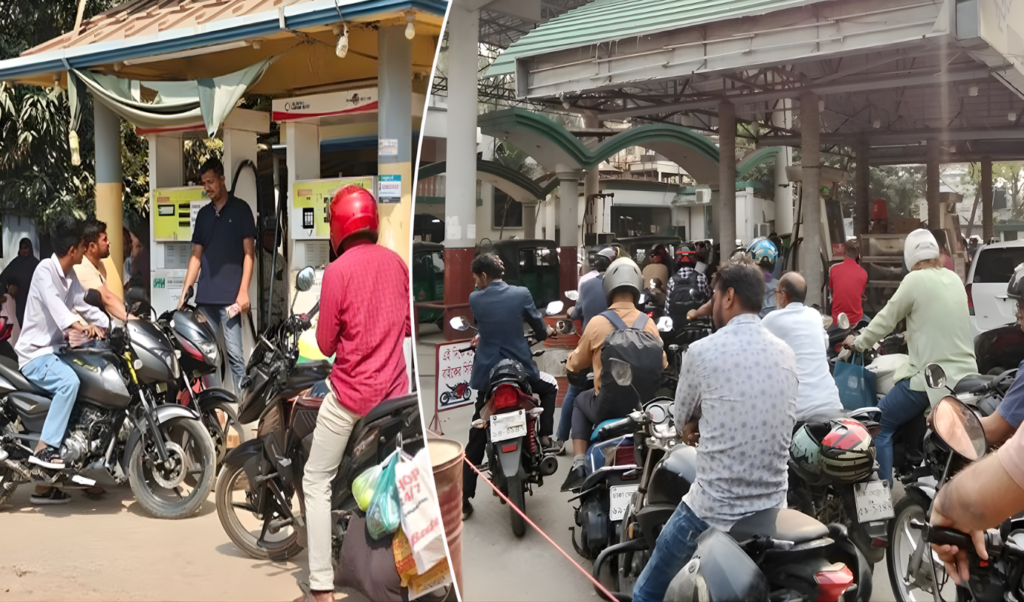
In recent days, long queues have formed at fuel stations in several cities, as rumours of a possible shortage prompted motorists to rush to refuel. The surge in demand has heightened public anxiety, particularly among transport operators and daily commuters.
The government has repeatedly reassured citizens that fuel supplies remain stable and that the rationing system is a preventive measure designed to maintain orderly distribution. Officials believe that once motorists become accustomed to the new limits, congestion at filling stations will gradually ease.
Energy analysts note that similar rationing systems have occasionally been adopted by countries during periods of international supply uncertainty. By implementing the system early, Bangladesh aims to stabilise consumption patterns and protect the national fuel reserve against sudden disruptions in global supply chains.