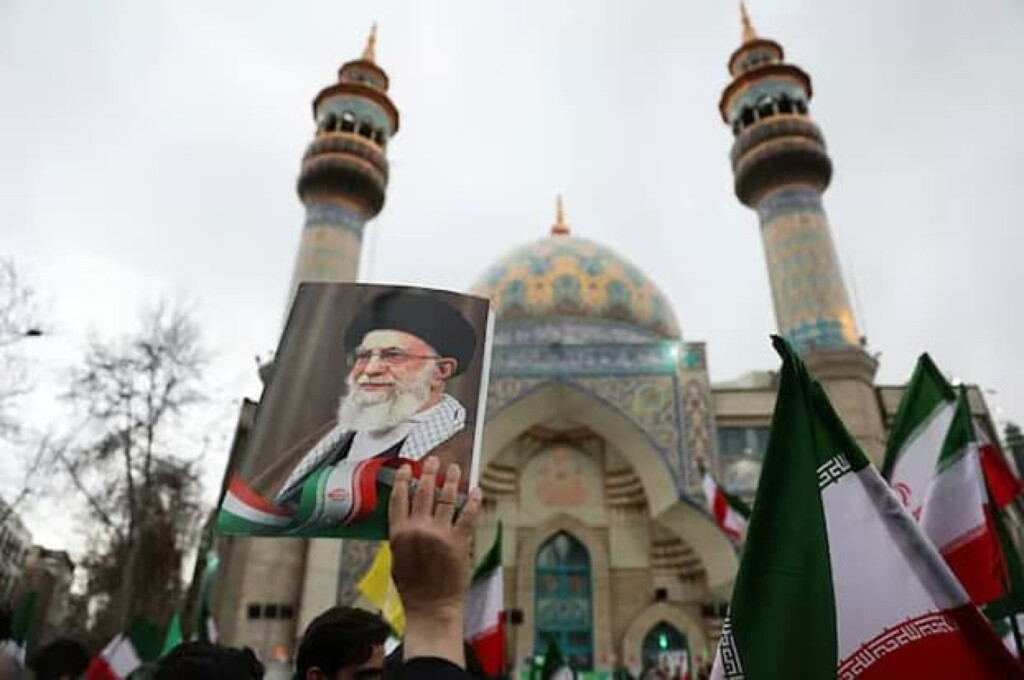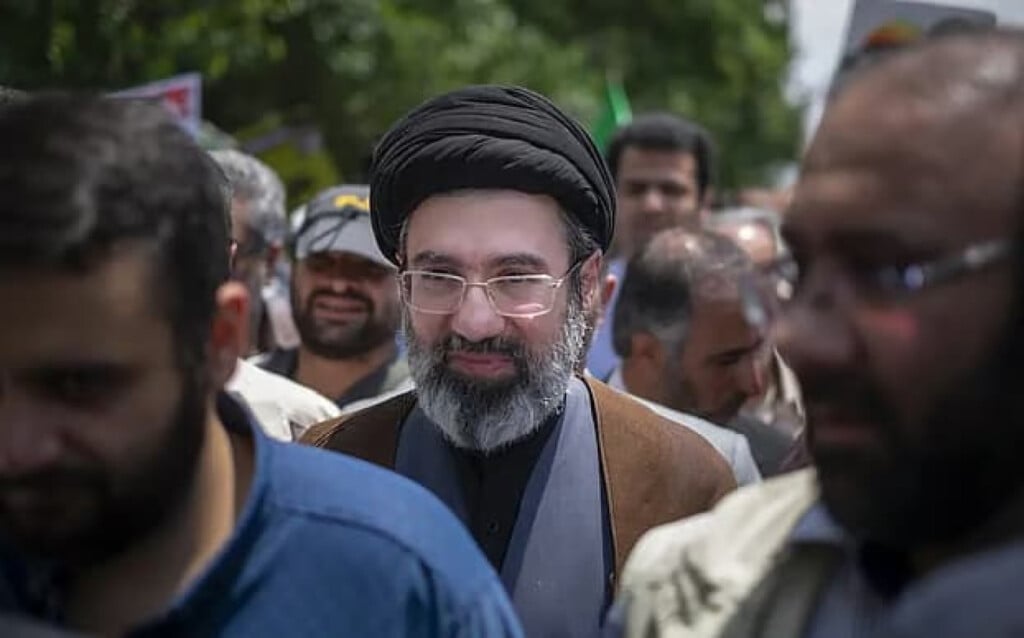
Ayatollah Mojtaba Khamenei, Iran’s newly appointed Supreme Leader, has declared that the strategic Strait of Hormuz will remain closed to international maritime traffic, signalling a firm continuation of Tehran’s hardline energy and security policy.
In his first address following his election, Khamenei stressed the significance of the waterway, through which roughly one-fifth of the world’s oil supply passes. The closure has already had an immediate impact on global energy markets, pushing crude oil prices above 100 US dollars per barrel.
Khamenei called for national unity in the face of external pressures. “The Strait of Hormuz is of strategic importance, and we will maintain control to exert pressure on our adversaries,” he stated. Analysts say this move underscores Iran’s determination to leverage its geographical position to influence regional and global energy flows.
Regional Alliances and Military Support
The Supreme Leader also highlighted the role of regional allies in sustaining Iran’s position. He confirmed that Yemen’s Houthi rebels “will continue to fulfil their responsibilities” in alignment with Tehran, and noted that armed groups in Iraq have expressed willingness to support Iran’s stance.
Expressing gratitude to the nation’s armed forces, Khamenei said: “Even under attack, our military has prevented Iran from becoming fragmented or subjugated. I extend my sincere thanks to the courageous soldiers performing exemplary duties under extreme pressure.” He further warned that “the blood of our martyrs will not go unavenged.”
Despite the emphasis on military measures, Khamenei reaffirmed Iran’s commitment to maintaining friendly relations with neighbouring states. “We seek friendship and cooperation with our neighbours. However, our operations against US military installations will continue as necessary,” he said.
The announcement comes in the aftermath of a major escalation. On 28 February, the United States and Israel launched attacks on Iranian territory, resulting in the death of the previous Supreme Leader, Ayatollah Ali Khamenei. On 8 March, his son, Mojtaba Khamenei, was formally elected as Iran’s new Supreme Leader.
Strategic Importance of the Strait of Hormuz
| Factor | Detail |
|---|---|
| Length of Strait | 39 km |
| Global Oil Transit | Approximately 20% of world supply |
| Recent Crude Price | Over $100 per barrel |
| Regional Stakeholders | Iran, Saudi Arabia, UAE, Qatar, Iraq |
| Security Concerns | Naval blockades, regional conflicts |
Experts warn that continued closure or restrictions on the strait could further destabilise international oil markets and intensify geopolitical tensions across the Middle East. Khamenei’s speech underscores Iran’s dual approach: asserting strategic dominance while maintaining selective diplomatic engagement with regional neighbours.