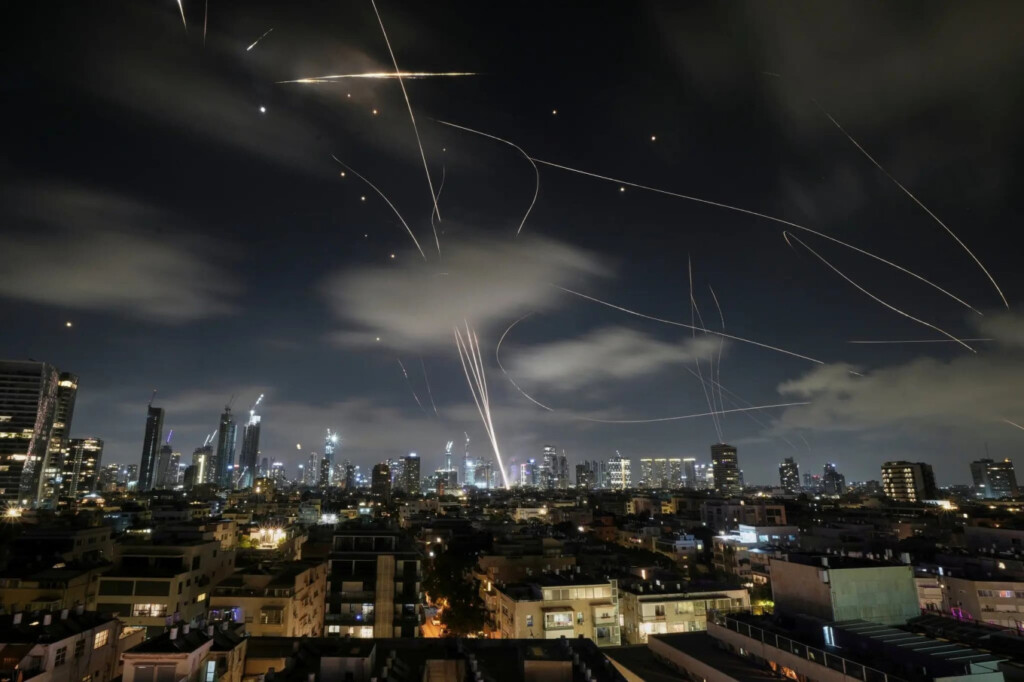
Israel is reportedly confronting a severe shortage of ballistic missile interceptor systems amid its ongoing conflict with Iran, raising concerns about the sustainability of its long-range air defence capabilities. According to a report by Semafor citing American officials, Israeli authorities warned the United States about the emerging problem only days before hostilities escalated.
The shortage is believed to be linked to Israel’s heavy use of interceptor missiles during an earlier conflict in 2025, often referred to as the “12-day war”. During that period, Israeli forces expended a significant portion of their missile defence stockpiles in order to repel large-scale attacks. As a result, reserves were already strained when tensions with Iran intensified once again.
One American official familiar with the matter said that the United States had been aware of Israel’s dwindling interceptor inventory for several months and had been monitoring the situation closely. While the official indicated that the United States currently maintains sufficient stocks for its own defence requirements, there are concerns that a prolonged conflict could place additional strain on American reserves as well.
Mounting Pressure on Israel’s Air Defence
Israel’s long-range missile defence systems have reportedly come under exceptional pressure due to repeated Iranian attacks. According to the report, Iranian forces have begun deploying missiles equipped with cluster munitions, a tactic that increases the complexity of interception and can rapidly deplete defensive missile supplies.
Cluster warheads disperse multiple smaller explosive sub-munitions over a wide area, forcing defence systems to respond to numerous threats simultaneously. Military analysts note that this significantly increases the number of interceptors required to neutralise a single incoming missile.
Since the escalation of hostilities, Iran is reported to have launched more than 50 waves of missile and drone attacks targeting Israeli territory as well as United States facilities in the region. Israeli forces have responded using a combination of fighter aircraft, missile interceptors, and electronic defence measures to counter these threats.
Defence Systems and Their Roles
Israel operates several layers of air defence designed to counter different types of aerial threats. While some systems are optimised for short-range rockets and artillery shells, others are intended to intercept long-range ballistic missiles.
| Defence System | Primary Function | Typical Threat Range |
|---|---|---|
| Iron Dome | Intercepts short-range rockets and artillery | Short range |
| David’s Sling | Counters medium-range missiles and drones | Medium range |
| Arrow Missile Defence System | Intercepts long-range ballistic missiles | Long range |
Military experts emphasise that long-range interceptor missiles remain the most effective method of stopping ballistic threats before they reach populated areas. However, such interceptors are expensive and require substantial time to manufacture and replenish.
Diplomatic and Strategic Considerations
Amid the intensifying conflict, Israeli Prime Minister Benjamin Netanyahu has reportedly expressed interest in discussing enhanced drone defence cooperation with Volodymyr Zelenskyy. Ukraine’s extensive battlefield experience in countering large-scale drone attacks is believed to be a factor behind Israel’s interest in potential collaboration.
Strategists warn that if the confrontation with Iran continues for an extended period, Israel may face increasing challenges in maintaining a robust missile defence shield. The issue also carries broader implications for regional security, particularly if allied stockpiles are required to sustain Israel’s defensive operations.
As missile and drone warfare becomes more sophisticated, defence planners across the region are closely observing how Israel manages the balance between interceptor supply, operational demand, and the evolving tactics of its adversaries.