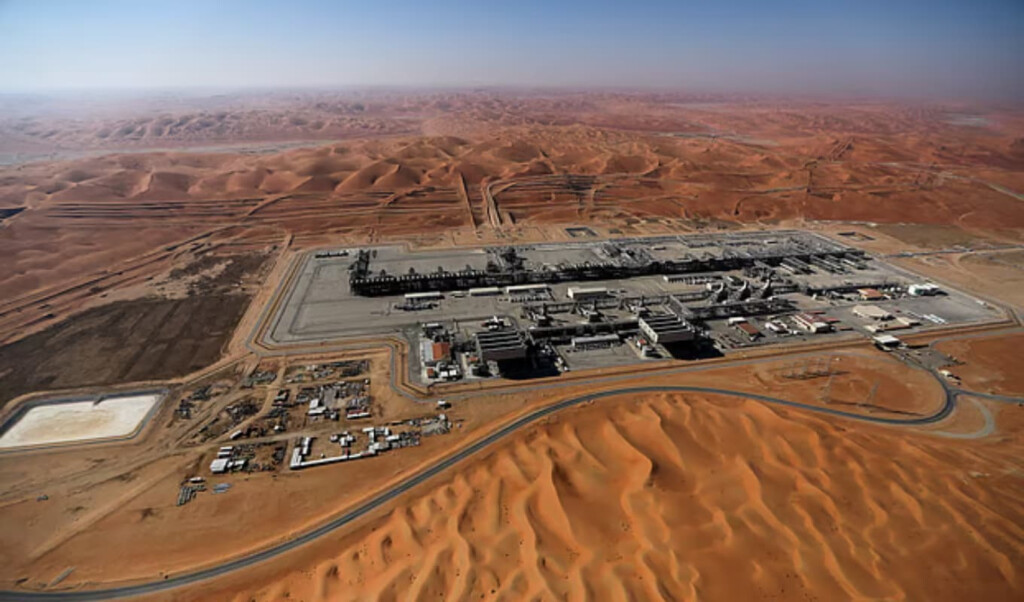
Saudi Arabia’s Ministry of Defence has declared that its air defences successfully intercepted and destroyed 37 unmanned aerial vehicles (UAVs) over the kingdom’s eastern region in the space of approximately one and a half hours. The incident forms part of an ongoing pattern of aerial threats confronting the Gulf state amid wider regional tensions.
According to the ministry’s statement, the drones were detected approaching from an unspecified direction and were neutralised before they could reach any populated or sensitive sites. Officials have not disclosed details regarding the origin of the drones or the identities of those responsible for the assault, leaving analysts and international observers to speculate on possible actors.
This development occurs against a backdrop of sustained hostilities linked to the broader Middle East conflict involving Iran, the United States and Israel. Several regional states, including Saudi Arabia and neighbouring Gulf Cooperation Council members, have experienced a marked increase in drone and missile incursions in recent weeks, prompting heightened alert levels and accelerated defence preparations.
Earlier in March, Saudi Arabia’s aerial defence systems repelled various threats aimed at both eastern and central parts of the kingdom, underscoring the scale and persistence of such challenges.
In response to previous attacks on critical infrastructure — most notably oil facilities — Tehran’s ambassador to Riyadh, Alireza Enayati, reiterated that Iran was not behind recent incidents, emphasising that “if Iran were responsible, it would declare so.” The ambassador’s remarks to Reuters reflect ongoing diplomatic efforts to defuse blame even as military tensions persist.
Recent Aerial Interceptions by Saudi Arabia
| Date | Reported Drones Intercepted | Region | Source |
|---|---|---|---|
| Today | 37 drones | Eastern Region | Saudi Ministry of Defence |
| Recent days | ~20 drones | Various regions including Shaybah | Saudi defence posts |
| Earlier this month | Multiple drones and missiles | Eastern & central sectors | Ministry of Defence updates |
Despite these defensive successes, the precise motivations and launch points for the hostile UAV activity remain unverified. International analysts have noted that drones are increasingly used in modern conflicts to test air defences, apply psychological pressure and potentially strike at economic infrastructure, especially energy facilities that are vital to global markets.
Saudi authorities have affirmed their commitment to safeguarding national territory and critical assets, reiterating that they will employ all necessary measures to counter such threats. However, with the origins of the assaults unconfirmed, the episode adds another layer of complexity to an already volatile regional security environment.