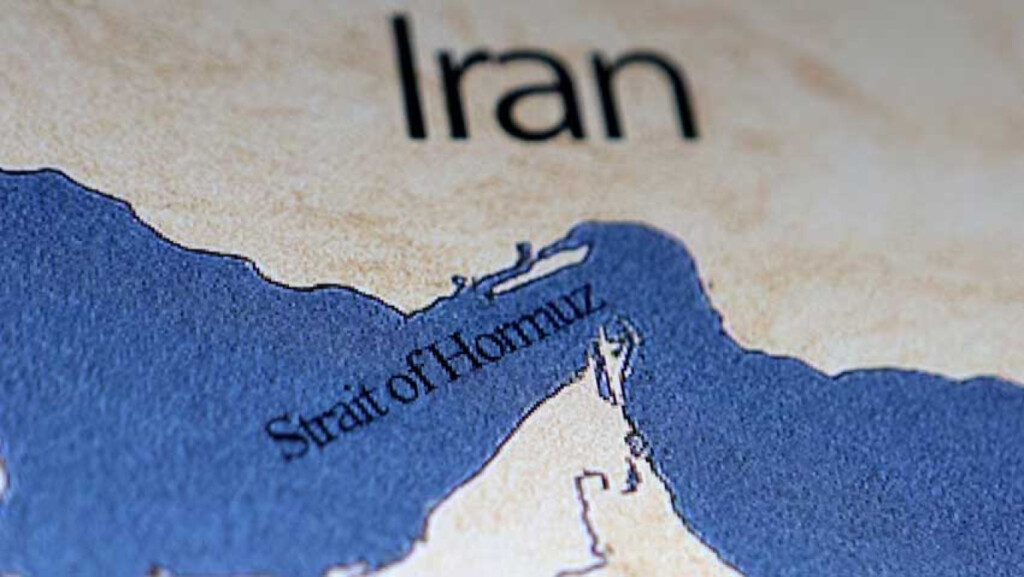
In response to recent military actions by Israel and the United States, Iran has closed the Strait of Hormuz to general maritime traffic, effectively halting the passage of most commercial and cargo vessels. This move is seen as a retaliatory measure against foreign aggression and has sent shockwaves through international shipping and energy markets.
According to Bloomberg, officials have confirmed that a select number of countries, including Turkey and India, have been granted limited permission to transit their ships through the strait. However, only a handful of vessels are allowed, and all approvals are tightly controlled by the Islamic Revolutionary Guard Corps (IRGC).
The closure of the strait has disrupted global trade, particularly in oil and gas. Supply constraints have already caused significant price increases, and experts warn that if the blockade continues, oil prices could surge beyond $200 per barrel. The disruption coincides with the third week of ongoing hostilities, intensifying concerns about prolonged market instability.
Amid these restrictions, Pakistan recently managed to transit a tanker named Karachi through the strait. This successful passage is notable, as very few vessels have been able to navigate the strait since the conflict escalated.
Meanwhile, Al-Jazeera reports that the Iraqi Oil Minister has announced a recent agreement between Baghdad and Tehran. Under this arrangement, Iraq’s oil tankers will be permitted to transit through the Strait of Hormuz. As of now, however, no Iraqi vessel has yet successfully completed the journey.
The table below summarises the current status of permitted maritime transit:
| Country | Permission Status | Notes |
|---|---|---|
| Iran | Limited | IRGC controls approvals |
| India | Limited | Selected vessels allowed |
| Turkey | Limited | Few vessels permitted |
| Pakistan | One successful | Karachi tanker completed transit |
| Iraq | Pending | Agreement in place; no passage yet |
Analysts warn that while limited transit offers some relief to affected countries, the overall blockade continues to strain global energy markets. The restricted passage has broader implications for regional trade, potentially affecting supply chains across Europe, Asia, and beyond.
The Strait of Hormuz, a critical chokepoint for nearly a fifth of the world’s seaborne oil, remains under tight control. Any prolonged closure could exacerbate inflationary pressures, increase shipping costs, and further destabilise international energy markets.
As tensions persist, global observers are closely monitoring developments, recognising that the resumption of normal maritime traffic will be crucial for stabilising energy prices and ensuring the flow of essential commodities.