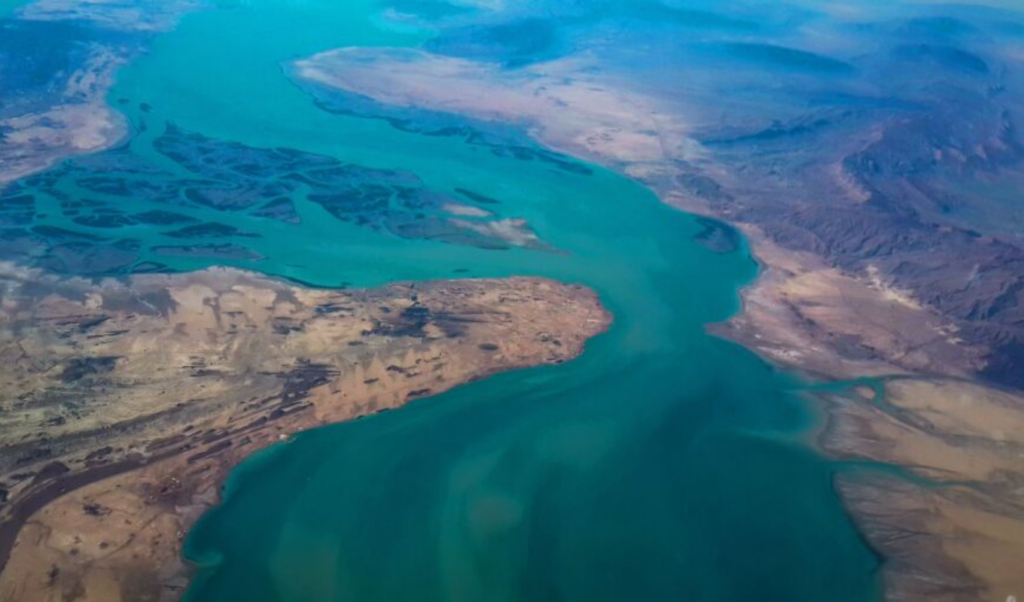
Iran has announced that foreign vessels may continue to transit the strategically vital Strait of Hormuz, provided that the ship operators coordinate with the Iranian authorities to ensure adequate security and safety measures. The statement was made by Ali Musavi Mehr, Iran’s representative to the International Maritime Organization (IMO), in an interview with news agencies.
Musavi, who serves as Iran’s ambassador to the United Kingdom, emphasised that while Iran remains committed to fulfilling its international obligations, respect for its regional sovereignty and rights is paramount. Analysts interpret Tehran’s flexible stance as a positive signal for global markets, particularly amid the ongoing energy crisis caused by stalled oil and gas shipments through the Strait.
Coordination and Safety Measures
Musavi confirmed that Iran is fully prepared to cooperate with the IMO and other nations to enhance maritime safety and protect seafarers navigating the waterway. He was clear, however, that the Strait will remain closed to countries Iran designates as “enemies,” citing the United States and Israel as primary examples. According to him, military pressure from Washington and Tel Aviv has created current regional tensions, compelling Iran to take defensive measures to safeguard its sovereignty.
The restricted but conditional access to the Strait comes at a critical time, as hundreds of oil and gas tankers are currently delayed, pushing global energy prices to record highs. Experts suggest that Iran’s proposal is a strategic move to ease international pressure while maintaining control over the vital maritime corridor.
Strategic Implications for Global Shipping
International maritime authorities and affected countries are closely assessing Iran’s offer, recognising that the Strait of Hormuz is indispensable for global trade, with no viable alternative routes for the flow of Gulf oil. Tehran has emphasised that vessels coordinating with Iranian authorities will be allowed safe passage without obstruction, although there remains uncertainty about whether ships associated with so-called “enemy states” would be eligible for this arrangement.
Strait of Hormuz Transit Overview
| Aspect | Details |
|---|---|
| Location | Strait of Hormuz, Persian Gulf |
| Current Access Policy | Open to foreign ships with Iranian coordination |
| Restricted Access | Closed to designated enemy states (e.g., US, Israel) |
| Objective | Ensure maritime safety, protect sovereignty, and stabilise energy trade |
| Strategic Significance | Vital chokepoint for global oil and gas exports |
Musavi’s announcement underscores Tehran’s dual objective: safeguarding national security while signalling a willingness to maintain the uninterrupted flow of international commerce. The next steps will depend on whether Western powers accept Iran’s coordination requirements and risk managing their commercial shipping operations under Tehran’s oversight. The outcome will likely have a direct impact on global energy markets and maritime security in the coming weeks.