Barguna, a coastal district in southern Bangladesh, is grappling with a recurring and escalating public health emergency as dengue, measles, and now diarrhoeal diseases continue to place extraordinary pressure on an already fragile healthcare system. What began as seasonal outbreaks has evolved into a persistent cycle of illness that health experts describe as deeply rooted in structural and environmental vulnerabilities.
The district, surrounded by rivers and the Bay of Bengal, has in recent years repeatedly appeared at the top of national disease burden charts. Authorities and public health specialists attribute this alarming trend primarily to unsafe drinking water, widespread malnutrition, limited healthcare capacity, and gaps in immunisation coverage.
Last year, Barguna recorded a severe dengue outbreak, with 9,749 hospital admissions and more than 50 reported deaths according to health department figures. Barely recovered from that crisis, the district has since faced a resurgence of measles, which has already claimed the lives of three children, according to the Civil Surgeon’s office. Health officials report that infection rates continue to rise while hospital beds are increasingly stretched beyond capacity.
At the same time, diarrhoeal disease has emerged as another major challenge. So far this year, 2,703 people have been affected, of whom 2,481 have recovered. However, the situation remains unstable, with more than 400 new patients admitted within a single week. In the past 24 hours alone, 96 patients were hospitalised, including a significant number of children and women admitted to Barguna Sadar Hospital.
Disease Situation Overview in Barguna
| Disease | Reported Cases / Admissions | Deaths | Current Situation |
|---|---|---|---|
| Dengue | 9,749 hospital admissions | 50+ | Major outbreak (previous year) |
| Measles | Rising cases | 3 children | Active outbreak, hotspot declared |
| Diarrhoea | 2,703 cases | 0 | Ongoing surge, frequent admissions |
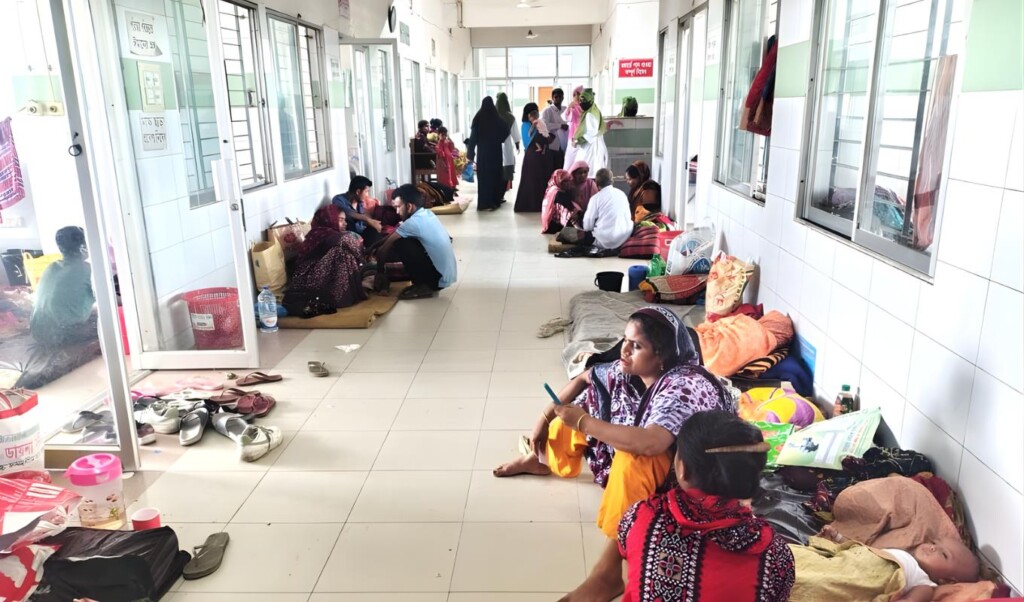
Healthcare facilities in the district are struggling to cope. Patients are often treated on hospital floors due to a lack of available beds. Separate wards have been established for measles-infected children, yet overcrowding persists. Medical staff report extreme pressure, with nurses and doctors working beyond capacity to manage simultaneous outbreaks.
Health authorities have already declared Barguna a measles hotspot, launching a 21-day intensive immunisation campaign across 40 centres in the district. Children who had previously received vaccinations are also being re-included in the drive in an effort to close immunity gaps.
According to senior health officials in Barishal division and Barguna’s civil surgeon, the recurring outbreaks are driven by several interconnected factors. Chief among them is low public health awareness, particularly regarding the completion of full vaccination schedules. Many parents fail to return for follow-up doses after the initial infant immunisations, leaving children vulnerable to preventable diseases.
Poverty and malnutrition further compound the crisis. Many mothers in this coastal region suffer from nutritional deficiencies, which directly affects infant immunity and increases susceptibility to infection from early life. Additionally, the geographical reality of Barguna—with its char islands and riverine terrain—makes access to safe drinking water extremely difficult, particularly during hot seasons when contamination risks rise significantly.
Hospital infrastructure remains severely limited. The district hospital lacks intensive care units and specialist physicians, and diagnostic samples for diseases such as measles must often be sent to Dhaka, delaying treatment decisions. Officials warn that such delays can prove critical in life-threatening cases.
Inside Barguna Sadar Hospital, the crisis is visible in overcrowded corridors and makeshift treatment areas. Medical professionals describe a system under strain, where simultaneous outbreaks of different diseases are pushing resources to their limits.
Health experts argue that breaking this cycle requires more than emergency responses. Sustainable improvement in sanitation, safe water supply, maternal nutrition, and full vaccination coverage is essential. Without addressing these root causes, Barguna is likely to continue experiencing recurring waves of infectious diseases, shifting from one outbreak to another with little respite for its population.