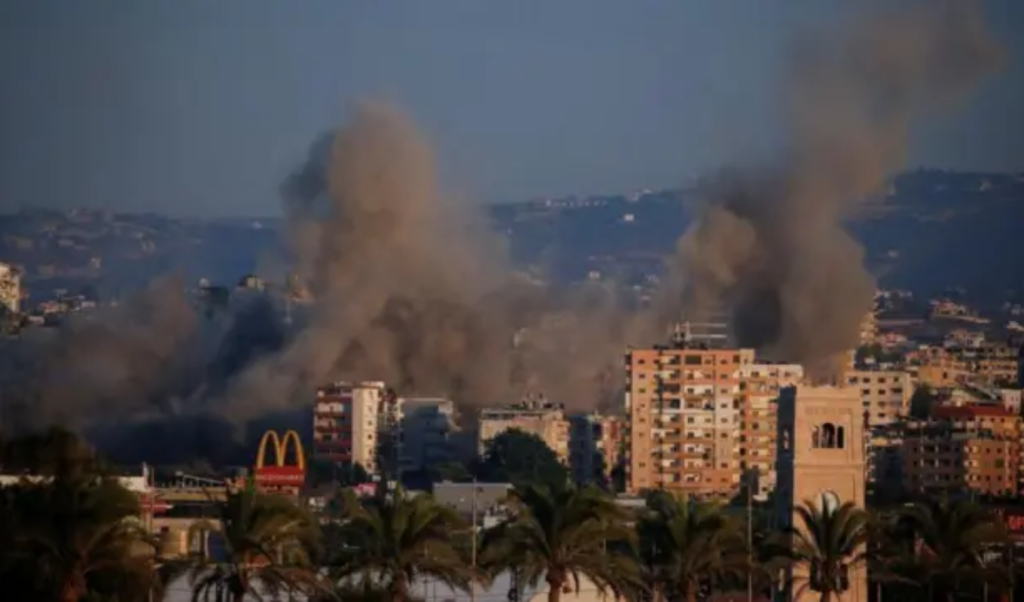
The humanitarian crisis in Lebanon has deepened sharply as the death toll from ongoing Israeli military operations has risen to at least 2,167 since the escalation began in early March, according to figures cited by Al Jazeera and Lebanon’s Ministry of Health. Amid mounting devastation, cautious diplomatic efforts are now underway, raising tentative hopes that a ceasefire agreement could be reached in the near future.
Rising casualties and widespread destruction
The latest official data indicates that since 2 March, Israeli air and ground operations across Lebanon have also left 7,061 people injured, placing immense strain on the country’s already fragile healthcare system.
The escalation followed earlier regional tensions, with reports of coordinated strikes involving the United States and Israel in Iran beginning on 28 February, before the conflict expanded into Lebanese territory days later. Since then, fighting has intensified across multiple fronts, significantly worsening civilian conditions.
Humanitarian displacement reaches crisis levels
According to the United Nations, the conflict has triggered one of the largest displacement crises in the region in recent years. Since March, approximately 1.2 million people have been forced from their homes across Lebanon.
Among those displaced are more than 350,000 children, raising serious concerns among humanitarian agencies about access to shelter, food security, education, and medical care.
Casualty and displacement overview
| Indicator | Figure |
|---|---|
| Death toll (since 2 March) | 2,167 |
| Injured | 7,061 |
| Displaced population | ~1.2 million |
| Displaced children | 350,000+ |
Signals of possible ceasefire emerging
Despite the escalating violence, there are increasing indications that diplomatic negotiations are gaining momentum. Hezbollah spokesperson and Lebanese Member of Parliament Ibrahim Moussawi has stated that a ceasefire in Lebanon could be implemented “soon”, following mediation efforts involving Iran and other regional actors.
His remarks have added to speculation that back-channel diplomacy may be advancing, although no formal agreement has yet been announced.
Diplomatic efforts remain unclear
Two senior Lebanese officials, speaking to Al Jazeera, confirmed that ceasefire discussions are actively taking place. However, they emphasised that no concrete timeline has been agreed and that the structure of any potential truce remains uncertain.
According to the officials, the duration and sustainability of any ceasefire in Lebanon may depend heavily on parallel negotiations between the United States and Iran, suggesting that regional dynamics remain tightly interconnected.
Fragile expectations amid ongoing conflict
While hopes for a pause in hostilities are growing, the situation on the ground remains highly volatile. Continued military operations and civilian displacement underline the urgency of reaching an agreement, even as diplomatic channels appear complex and indirect.
Humanitarian organisations have repeatedly warned that without immediate de-escalation, Lebanon risks a further deterioration in living conditions, with long-term consequences for civilian infrastructure, public health, and regional stability.
For now, the prospect of a ceasefire remains uncertain—balanced between intensifying violence and fragile diplomatic momentum that has yet to translate into a formal agreement.