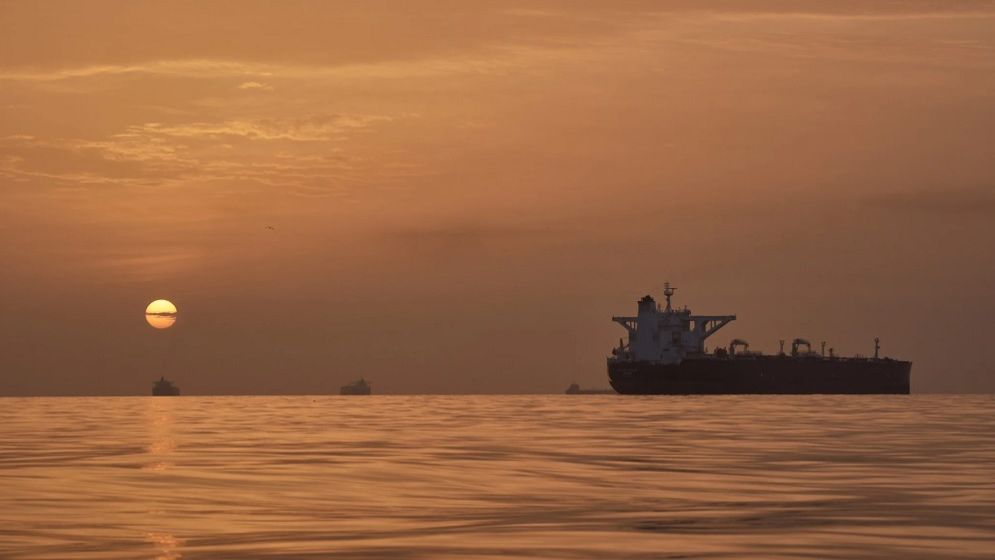
The strategic Strait of Hormuz has once again been fully closed by Iran’s Islamic Revolutionary Guard Corps (IRGC), reversing a brief partial reopening that had followed a fragile ceasefire environment in the region. The latest escalation comes amid heightened tensions with the United States, which Tehran accuses of enforcing a naval blockade on Iranian maritime activities.
According to statements carried by Iranian state media on Sunday (19 April), the IRGC confirmed that all commercial passage through the narrow and critical waterway has been suspended indefinitely. The announcement also marked the cancellation of a previously proposed arrangement that would have allowed merchant vessels to transit the strait under Iranian supervision, provided they coordinated in advance and paid designated fees.
Iran has made its position conditional: unless the United States lifts what it describes as an unlawful maritime blockade targeting Iranian ports and shipping routes, the Strait of Hormuz will remain closed to all traffic. The IRGC further warned that any vessel attempting to defy the restriction would be treated as a hostile target and could face military action.
The decision represents a sharp policy shift from earlier indications that limited commercial navigation might resume under regulated conditions. That earlier proposal had suggested a controlled system of passage, involving coordination with Iranian authorities and payment mechanisms for transit rights. However, officials now insist that such measures are no longer viable under current geopolitical pressures.
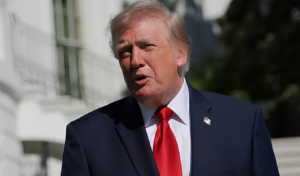
The United States, meanwhile, has rejected Iran’s stance. Former President Donald Trump has publicly warned that Tehran would not be able to use the closure of the strait as leverage against Washington. He emphasised that attempts to disrupt global shipping through the waterway would be met with firm opposition. Iranian officials, however, maintain that the strait lies within their sphere of control and have reiterated that any reopening is contingent upon a de-escalation of US actions.
The Strait of Hormuz remains one of the world’s most critical maritime chokepoints, with a significant proportion of global oil shipments passing through it daily. Any disruption is therefore expected to have immediate implications for international energy markets and shipping insurance costs.
Key Positions and Developments
| Actor | Position | Recent Action |
|---|---|---|
| Iran (IRGC) | Full closure of Strait | Announced indefinite shutdown and military enforcement |
| United States | Opposes closure | Warned Iran against using strait as leverage |
| Iranian State Media | Supports policy | Reported enforcement of complete maritime suspension |
| Commercial Shipping Plan | Suspended | Earlier conditional transit scheme withdrawn |
The situation remains highly volatile, with international observers warning that continued restrictions could further destabilise an already tense maritime and geopolitical environment in the Gulf region.