The Acting High Commissioner of India to Bangladesh, Pawan Badhe, has underscored the necessity of mutual respect and understanding as the foundational elements for sustaining the positive trajectory of bilateral relations between India and Bangladesh. Speaking at an event in the capital, Mr Badhe noted that while significant progress has been achieved in recent years, the longevity and depth of this partnership depend on a shared commitment to recognising each other’s perspectives and interests.
The Acting High Commissioner emphasised that the collaborative efforts between the two nations in areas such as border cooperation, infrastructure development, and regional connectivity have yielded fruitful results. He maintained that these joint initiatives are not merely transactional but serve as the building blocks for a more integrated and prosperous South Asia.
Cultural Diplomacy and Bilateral Synergy
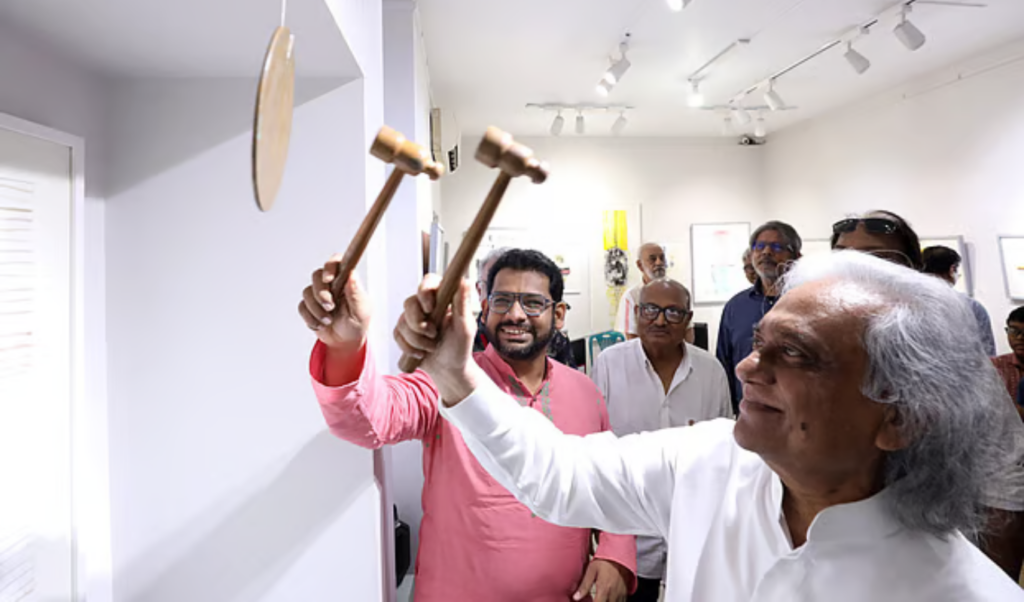
Mr Badhe delivered these remarks as the chief guest during the inauguration of a solo art exhibition by the renowned artist Ranjit Das at Gallery Kaya in Uttara, Dhaka, on Saturday afternoon. The exhibition, which showcases 65 of the artist’s contemporary works, served as a backdrop for the diplomat to elaborate on the broader spectrum of India-Bangladesh ties.
According to the Acting High Commissioner, bilateral relations can reach new heights through mutual trust, cooperation, and consistent dialogue. He specifically highlighted that enhancing people-to-people contact, fostering cultural exchanges, and encouraging the participation of the younger generation are essential for strengthening the bond. In this regard, he noted the pivotal roles that the media, academic institutions, and the private sector must play in bridging the gap between the two societies.
Mr Badhe also commended Bangladesh’s current developmental progress, reaffirming India’s commitment to remain a steadfast partner in this journey. He expressed optimism that the combined efforts of both nations would act as a stabilising force in the region, ensuring long-term security and economic growth for South Asia.
Strengthening Multi-Sectoral Cooperation
In the context of the evolving global landscape, regional cooperation has become increasingly paramount. The Acting High Commissioner asserted that all stakeholders must work in a coordinated manner to ensure that the friendly relations between Bangladesh and India remain effective and sustainable. He reminded the audience that the connection between the two countries transcends mere geographical proximity.
“The history, culture, and interpersonal relationships between the people of Bangladesh and India have deepened this bond,” Mr Badhe remarked. Building upon this historical and cultural foundation, both governments are currently working to expand cooperation across several key sectors, including:
-
Trade and Investment: Streamlining customs procedures and promoting cross-border business ventures.
-
Energy: Enhancing grid connectivity and collaborating on renewable energy projects.
-
Connectivity: Modernising rail, road, and waterway links to facilitate smoother transit.
-
Education: Increasing scholarships and academic collaborations for students and researchers.
An Artistic Celebration at Gallery Kaya
The formal inauguration of the exhibition was conducted by Abul Khair Litu, Chairman of the Bengal Foundation. In his address, Mr Litu stated that the event was not solely intended for the display of artwork but functioned as a vital medium for the exchange of ideas between the artist and the audience. He expressed his hope that such initiatives would continue to flourish, further elevating the standard of art practice within the country.
Providing a technical perspective on the collection, the Director of Gallery Kaya, artist Gautam Chakraborty, described Ranjit Das’s work as a distinctive style of drawing. He noted that the artist effectively utilises simple lines and negative space to convey profound emotions, where a single brushstroke can imbue a vast emptiness with significant meaning. Mr Chakraborty described the artist as a “formidable presence” in the contemporary art world of Bangladesh.
The exhibition, titled “Stick Drawings and Others”, features a diverse range of works created using watercolour, mixed media, ink, and charcoal. Included in the collection is a portfolio titled “Folding,” which comprises 29 specific pieces. Reflecting on his creative process, artist Ranjit Das shared that his travels across the country and his proximity to the mountains and nature have significantly enriched his work.
The exhibition at Gallery Kaya is open to the public daily from 11:30 am to 8:00 pm. It stands as a testament to the vibrant cultural landscape of Bangladesh and the enduring importance of cultural diplomacy in the diplomatic relations between neighbouring states.