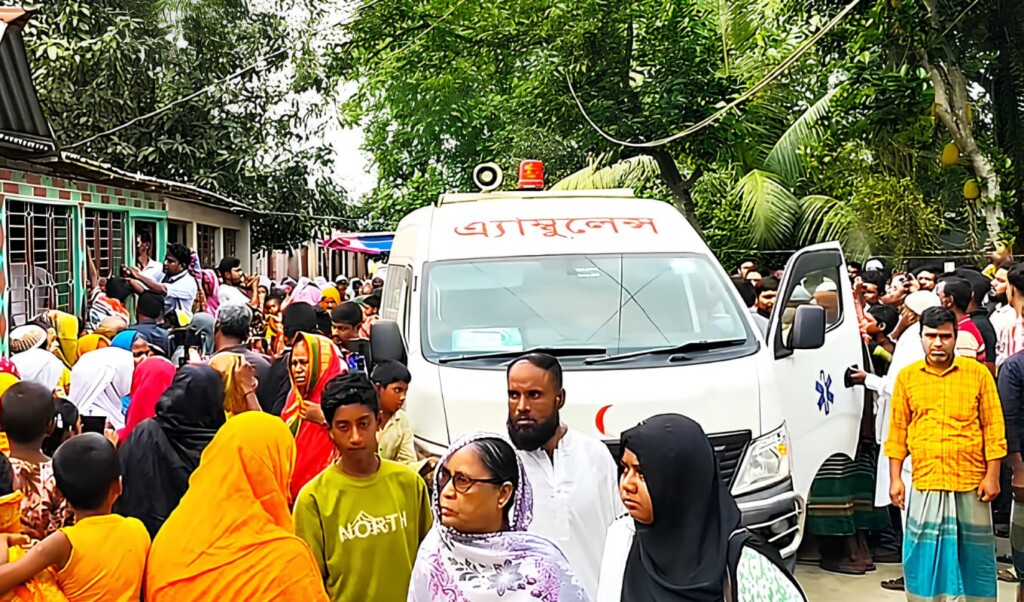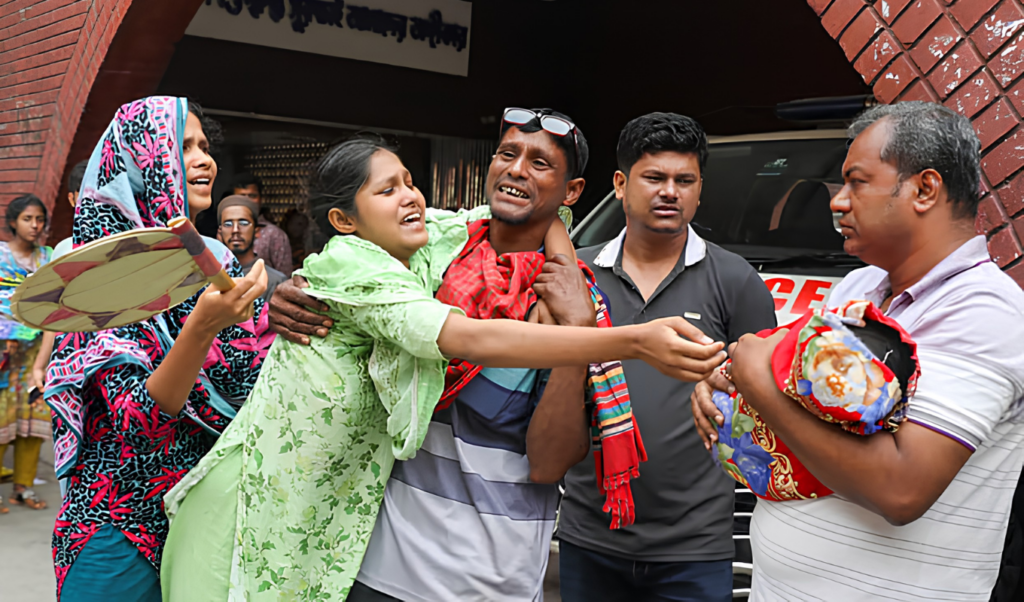
The Directorate General of Health Services (DGHS) has reported the deaths of 17 additional children due to measles and measles-like symptoms. This latest figure represents the highest single-day death toll in the 50 days since the initial detection of the disease in the country. This surge brings the cumulative death toll to 311 within this period.
Statistical Overview of Fatalities
According to the latest DGHS report, covering the 24-hour period from 8:00 am on Sunday (3 May) to 8:00 am on Monday (4 May), 15 of the 17 children died presenting measles symptoms. The DGHS has officially confirmed measles as the cause of death for the remaining two children.
Of the total 311 fatalities recorded over the past 50 days, 259 children died with symptoms associated with the disease, while 52 deaths have been laboratory-confirmed as measles. Notably, the report clarified that two of the 15 symptomatic deaths recorded in the most recent 24-hour window actually occurred the previous day but were processed in the current reporting cycle.
Regional Distribution and Hospitalisation
The geographical data indicates that the capital region remains the most affected. Of the 17 recent deaths, 12 were reported in the Dhaka Division, while the remaining five occurred in the Chittagong Division.
During the specified 24-hour period, 1,302 children were identified as having measles symptoms nationwide. The distribution of these new cases across the most affected divisions is detailed in the table below:
| Division | New Symptomatic Cases |
| Dhaka | 618 |
| Chittagong | 192 |
| Rajshahi | 168 |
| Barisal | 133 |
| Total (Nationwide) | 1,302 |
Simultaneously, hospital records show significant patient turnover across the eight divisions. A total of 1,026 children were admitted to hospitals with symptoms within the last 24 hours, while 1,061 children were discharged following treatment.
Contextual Information on Measles
Measles is a highly contagious viral infection that primarily affects children. It is characterised by a high fever, cough, runny nose, and a distinctive red rash. While preventable through vaccination—typically the Measles-Rubella (MR) vaccine—the disease can lead to severe complications such as pneumonia, encephalitis (brain swelling), and severe diarrhoea, which often contribute to high mortality rates in areas with low immunisation coverage or malnutrition.
The DGHS continues to monitor the situation across all eight divisions, focusing on the high concentration of cases in urban and semi-urban hubs. The current data reflects a critical period in the outbreak, as health authorities attempt to manage the influx of hospital admissions while maintaining discharge rates to balance bed capacity. No further projections have been provided regarding the duration of the current infection trend.