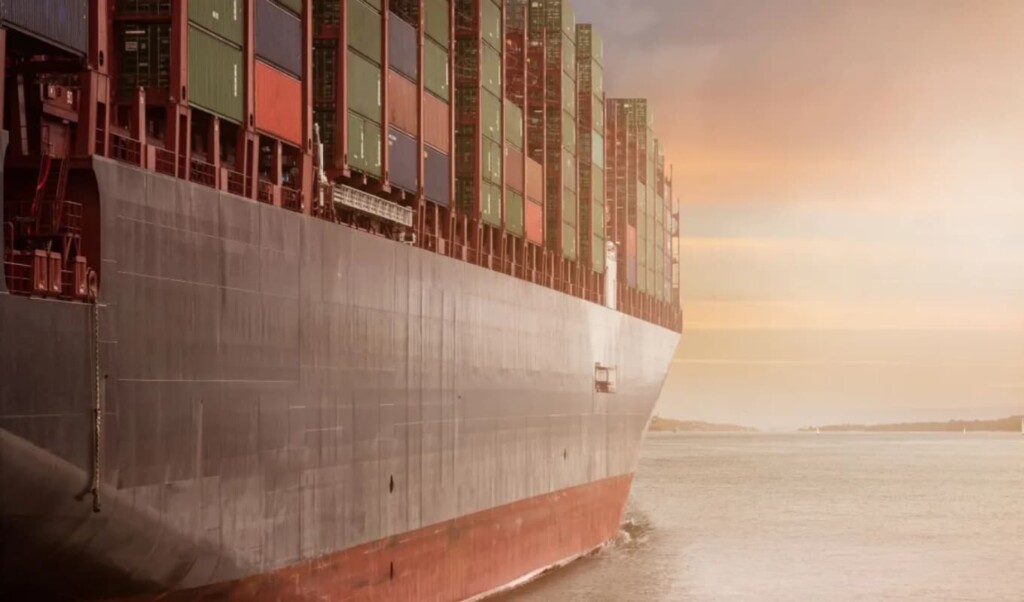
Insured losses arising from the collapse of the Francis Scott Key Bridge following impact by the Singapore-flagged container vessel Dali are now estimated to exceed $2.8bn, according to Howden Re. The updated figure represents a significant upward revision from early post-event estimates of around $1.5bn after the incident in March 2024.
Howden Re notes that the full extent of the insured loss has only become apparent over time, as legal proceedings, salvage operations, and reconstruction planning have developed. The event is now considered the largest marine insurance loss on record, exceeding previous industry benchmarks.
A major share of the insured loss—approximately $2.5bn—is linked to a settlement structure between the State of Maryland and insurer Chubb. Additional insured costs arise from environmental pollution liabilities, wreck removal operations, and the loss of toll revenues during the closure and disruption of the bridge.
The Baltimore loss has now surpassed the previous marine insurance benchmark set by the Costa Concordia disaster, which resulted in insured losses of around $1.6bn. The scale of the Baltimore claim has therefore redefined the upper end of historical marine insurance loss experience.
Industry analysis indicates that the financial burden is expected to fall predominantly on reinsurance and retrocession markets, rather than being absorbed at primary insurance level. While initial market expectations suggested that the full $3bn reinsurance limit under the framework of the International Group of P&I Clubs could be utilised, the final settlement structure did not rely on statutory shipowner liability caps. Instead, claims have been distributed across multiple layers of reinsurance protection.
The progression of loss estimates reflects the complexity of the incident, particularly given the interaction between infrastructure damage, maritime liability, environmental impact, and commercial disruption. As cost assessments have been refined, total insured loss estimates have been adjusted upwards accordingly.
Breakdown of Estimated Insured Loss
| Component | Estimated Value | Description |
|---|---|---|
| Settlement framework | ~ $2.5bn | Agreement between State of Maryland and Chubb |
| Environmental liabilities | Included | Pollution and remediation costs |
| Wreck removal | Included | Recovery and clearance of bridge and vessel debris |
| Revenue disruption | Included | Loss of toll income during closure period |
| Total insured loss | > $2.8bn | Latest aggregated estimate (Howden Re) |
Market participants report that exposure is concentrated among major reinsurers and retrocession providers, where large single events can represent a meaningful proportion of allocated capital. Despite this concentration, the broader insurance market is regarded as having sufficient capacity to absorb the loss within diversified portfolios.
Marine insurance underwriting is typically structured alongside other major risk classes, including natural catastrophe exposures that can generate significantly larger aggregate losses. Within this context, the Baltimore bridge collapse is treated as a landmark marine event but remains part of wider global reinsurance risk management frameworks.