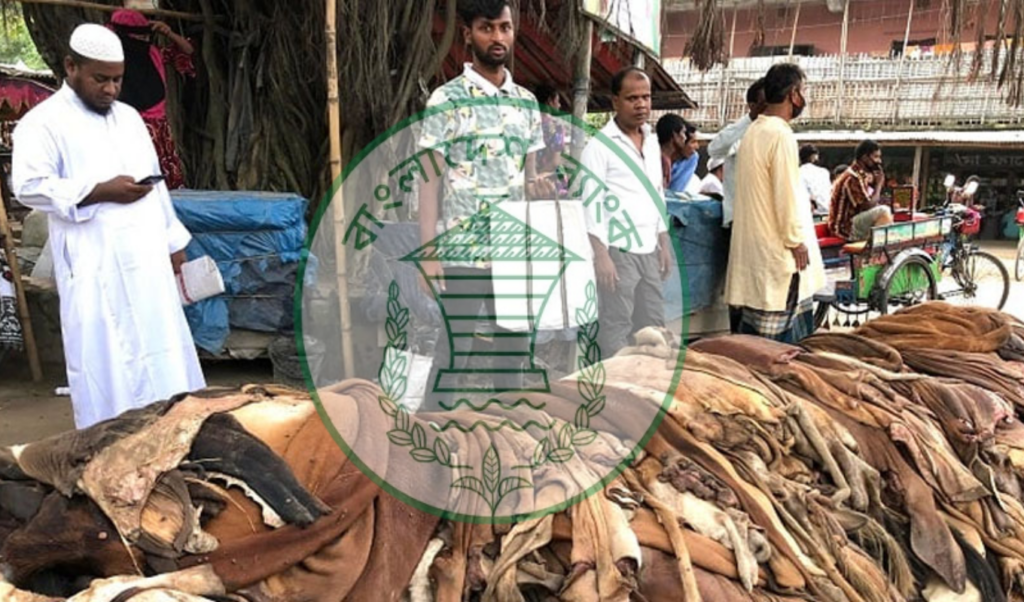
Bangladesh Bank has issued a comprehensive set of instructions to scheduled banks, mandating the swift disbursement of credit to leather traders. This initiative aims to ensure the seamless collection, preservation, and marketing of raw hides during the upcoming Eid-ul-Azha festival. The directive, announced on Tuesday, 5 May 2026, emphasises the strategic importance of the leather sector as a vital export-oriented industry reliant on domestic raw materials.
Strategic Importance of the Leather Industry
The leather industry serves as a cornerstone of the national economy, contributing significantly to the Gross Domestic Product (GDP), employment generation, and the acquisition and conservation of foreign exchange. A substantial proportion of the industry’s annual raw material requirements is met during the Eid-ul-Azha period, making the efficient management of hides critical to the sector’s sustainability.
Central bank officials noted that providing adequate liquidity to traders during this peak period is essential for safeguarding hides, which are classified as a national asset. Failure to ensure timely funding often leads to the degradation of raw hides due to inadequate preservation, resulting in significant economic losses and environmental concerns.
Directives for Working Capital Disbursement
Bangladesh Bank has instructed commercial banks to approve and disburse working capital loan limits to leather traders based on established banker-customer relationships. The circular clarifies that banks must not merely approve these limits on paper but must prioritise the physical implementation and execution of credit delivery.
Key aspects of the credit directive include:
-
Inclusivity for Small-Scale Traders: Banks are urged to ensure that financing reaches small and medium-sized traders operating at the grassroots level. This ensures that the liquidity flow supports the entire supply chain, from rural collection points to urban tanneries.
-
Mandatory Targets: For the 2026 lunar year, banks are required to set specific credit disbursement targets for raw hide purchases. Crucially, these targets must not be lower than the levels established for the 2025 Eid-ul-Azha period.
-
Reporting Requirements: Banks must submit detailed reports on their set targets and actual disbursement figures to the Banking Regulation and Policy Department (BRPD) of Bangladesh Bank in a prescribed format by 31 July 2026.
Temporary Relaxation of Debt Conditions
In a move to facilitate greater participation in the hide collection process, the central bank has introduced a temporary relaxation of rules regarding existing rescheduled loans. Typically, borrowers with rescheduled debts must pay a “compromised amount” or a down payment before qualifying for fresh credit facilities.
However, to ensure that tanners and traders have sufficient cash flow for the festive season, Bangladesh Bank has temporarily waived the mandatory collection of compromised amounts for borrowers seeking new loans for hide purchases. This policy shift is effective immediately and will remain in force until 30 June 2026. This waiver allows traders with previously distressed accounts to access the necessary liquidity to compete in the raw hide market, thereby ensuring a competitive pricing environment for seasonal collectors.
Legal Framework and Expected Outcomes
The central bank issued these directives under the authority granted by Section 45 of the Bank Company Act, 1991. The instructions are effective immediately and apply to all scheduled banks operating within the country.
By streamlining the financing process, Bangladesh Bank expects to invigorate the production and marketing dynamics of the leather sector. The anticipated outcomes include:
-
Enhanced Foreign Exchange Earnings: By preserving the quality of raw hides through timely processing, the value of finished leather exports is expected to rise.
-
Employment Stability: The sector supports a vast workforce, particularly during the post-Eid processing phase, and stable financing ensures continued income for these individuals.
-
Value Addition: Effective collection allows for better grading of leather, facilitating higher value addition in the domestic manufacturing of footwear and leather goods.
This proactive regulatory stance reflects the government’s broader strategy to bolster the “Made in Bangladesh” brand in the global leather market while ensuring that the seasonal surge in raw material supply is converted into tangible economic growth.