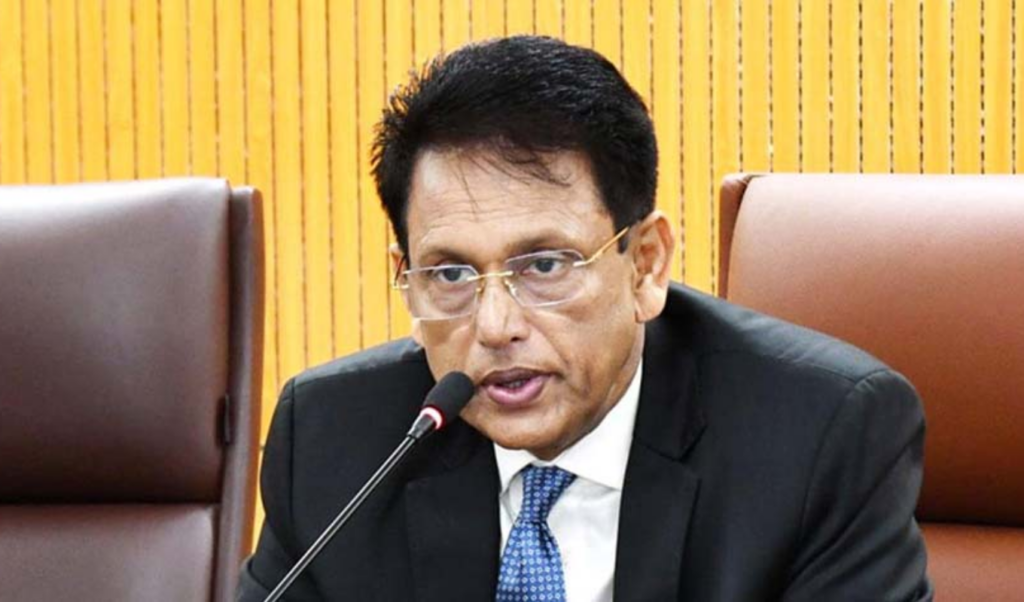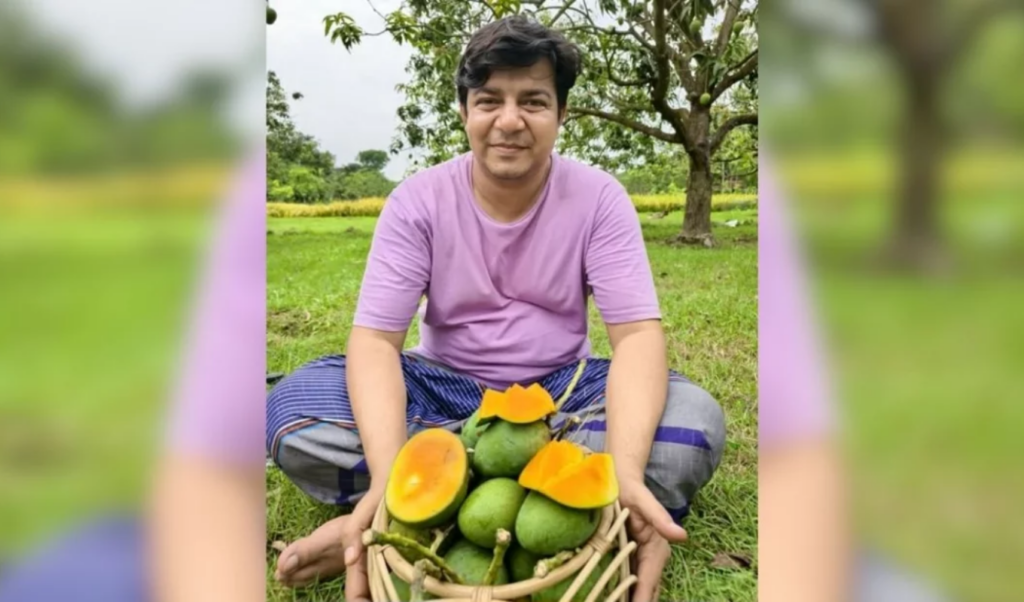
Tariq Rahman, a political candidate and entrepreneur popularly associated with the “Am-Janata” (Common People’s) moniker, has officially resumed his seasonal mango trading business. Following a period of intense political engagement during the 13th National Parliamentary Election, where he contested the Dhaka-12 constituency, Rahman has returned to his agricultural roots to manage the harvest and distribution of premium mango varieties.
On Tuesday, 5 May 2026, Rahman announced his return to the trade via a social media post, confirming that he is once again active in the orchards. This transition follows the conclusion of the national polls, marking his shift from the campaign trail back to his established professional life as a fruit trader.
Commencement of the Harvest Season
In his public statement, Rahman expressed his gratitude and sought the support of his patrons as he re-enters the marketplace. He noted that his operations have commenced in alignment with the government-authorised schedule for fruit harvesting. He wrote:
“By the grace of the Creator, I am back in the mango orchards. I seek everyone’s prayers and cooperation. From today, 5 May—the government-approved date—I am selling Gopalbhog, the sweetest variety, and the slightly less sweet but delicious Gobindobhog mangoes.”
The timing of this announcement coincides with the official “Mango Calendar” typically issued by district administrations in Bangladesh. These regulations are strictly enforced to ensure that only naturally ripened fruit reaches consumers, preventing the use of harmful ripening chemicals. By starting on 5 May, Rahman is adhering to the established timeline for the Rajshahi and Chapainawabganj regions, which are renowned for these specific cultivars.
Understanding the Varieties: Gopalbhog and Gobindobhog
The mangoes mentioned by Rahman represent some of the most sought-after varieties in the South Asian market, particularly during the early phase of the season.
-
Gopalbhog: Widely considered one of the finest varieties in the world, the Gopalbhog is prized for its high sugar content and lack of fibre. It typically ripens in early to mid-May. Because of its delicate skin and superior taste, it often commands a premium price in urban centres like Dhaka.
-
Gobindobhog: This variety is known for its distinct aroma and firm texture. While it is slightly less saccharine than the Gopalbhog, it is preferred by many for its balanced flavour profile and longer shelf life.
The Intersection of Politics and Trade
Tariq Rahman’s return to business is notable due to his recent high-profile candidacy in the Dhaka-12 constituency. Dhaka-12 is a significant electoral seat, encompassing key areas of the capital, and Rahman’s campaign was built on a platform of representing the “common man,” a theme he maintains through his involvement in the mango trade.
His dual identity as a politician and a trader highlights a growing trend of “grassroots entrepreneurship” within the political landscape. During the election cycle, his professional background was frequently cited as a point of relatability with the electorate. Having concluded his electoral duties, his prompt return to the orchards underscores the seasonal nature of the mango industry, which requires intensive management during the brief harvest window.
Market Context and Logistics
The mango industry is a vital component of the Bangladeshi economy, particularly in the northern districts. For traders like Rahman, the window for profit is narrow, lasting only from May until August. The process involves:
-
Orchard Management: Monitoring the fruit for maturity and ensuring no chemical intervention is used prior to the government-sanctioned dates.
-
Logistics: Transporting the perishable goods from rural orchards to the high-demand markets of Dhaka.
-
Digital Marketing: Utilising social media platforms, as Rahman has done, to facilitate direct-to-consumer sales, thereby bypassing traditional middlemen and ensuring better prices for both the producer and the buyer.
With the 13th National Parliamentary Election now concluded, Rahman appears focused on the commercial success of this year’s harvest, leveraging his public profile to support his agricultural enterprise.