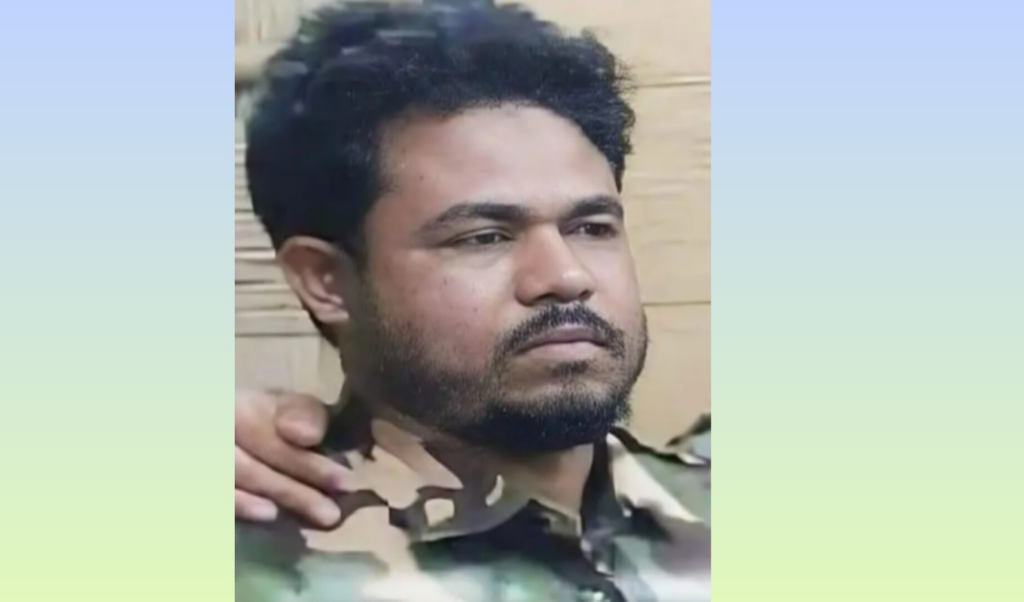
The leader of an armed faction within the Rohingya refugee settlements in Cox’s Bazar was fatally shot on Tuesday, 5 May 2026. Abdul Halim, the head of the “Halim Group,” was killed during a targeted attack in the Ukhiya sub-district, an incident attributed to escalating turf wars between rival groups vying for dominance within the sprawling camp infrastructure.
The shooting occurred at approximately 8:00 pm in the Lal Bridge (Red Bridge) area, situated within Block 8-East of the Kutupalong Refugee Camp. According to local sources and law enforcement, the assassination follows a protracted period of tension involving illicit activities and territorial disputes.
Details of the Fatal Ambush
Witness accounts from within the camp suggest that a group of armed assailants, belonging to a rival faction, intercepted Abdul Halim as he moved through the block. The attackers reportedly opened fire indiscriminately, targeting Halim directly. Amid the chaos, the gunmen managed to flee the scene before security forces could arrive.
Abdul Halim sustained multiple gunshot wounds and was left in a critical condition. Local residents and camp volunteers rescued the victim and transported him to a nearby medical facility. However, upon arrival, the attending physician pronounced him dead. In addition to the fatality, reports indicate that at least one of Halim’s associates was also struck by gunfire during the ambush. The identity and medical status of this associate have yet to be officially confirmed by the authorities.
Security Response and Police Statements
Siraj Amin, the Commanding Officer of the 14th Armed Police Battalion (APBN), which is tasked with maintaining security within the Rohingya camps, confirmed the killing. He stated that the security situation remains a priority for law enforcement and that additional personnel have been deployed to prevent any retaliatory violence.
The APBN Commander noted:
“Police and security forces remain vigilant in maintaining law and order within the camps. An operation is currently underway to identify and apprehend those responsible for this incident.”
Following the shooting, a palpable sense of panic has spread throughout the 8-East Block and adjacent sectors of the Kutupalong camp. Security forces have increased patrolling at key exit and entry points, as well as around the Lal Bridge area, to stabilise the environment and conduct forensic sweeps of the crime scene.
Background of the Victim and Internal Conflict
Abdul Halim was a known figure within the camp’s informal security and criminal landscape. Police records indicate that he was an accused individual in several active criminal cases, involving allegations of violence and other illicit acts. His faction, the Halim Group, has been involved in persistent friction with other armed elements over the control of various camp-based activities.
The Rohingya refugee camps in Cox’s Bazar have frequently been the site of internal conflicts. These disputes are often driven by:
-
Territorial Dominance: Controlling specific blocks or zones to exert influence over the resident population.
-
Extortion and Rackets: Competing for the collection of “levies” from local shops and residents.
-
Criminal Rivalries: Squabbles over the distribution and movement of contraband items.
Regional Security Context
The killing of a group leader like Halim underscores the ongoing challenge faced by the Armed Police Battalion (APBN) and the Bangladesh Police in managing security within the world’s largest refugee settlement. In recent years, the government has intensified its efforts to curb the influence of armed gangs, deploying specialised units and establishing surveillance towers.
As of the morning of 6 May 2026, the body of Abdul Halim has been moved for an autopsy to determine the precise trajectory and number of rounds fired. While the APBN continues its raids, no formal arrests have been announced yet. Law enforcement officials have appealed to camp residents for information regarding the identities of the shooters, though witness cooperation remains hindered by fears of reprisal from the rival factions involved in the assassination.