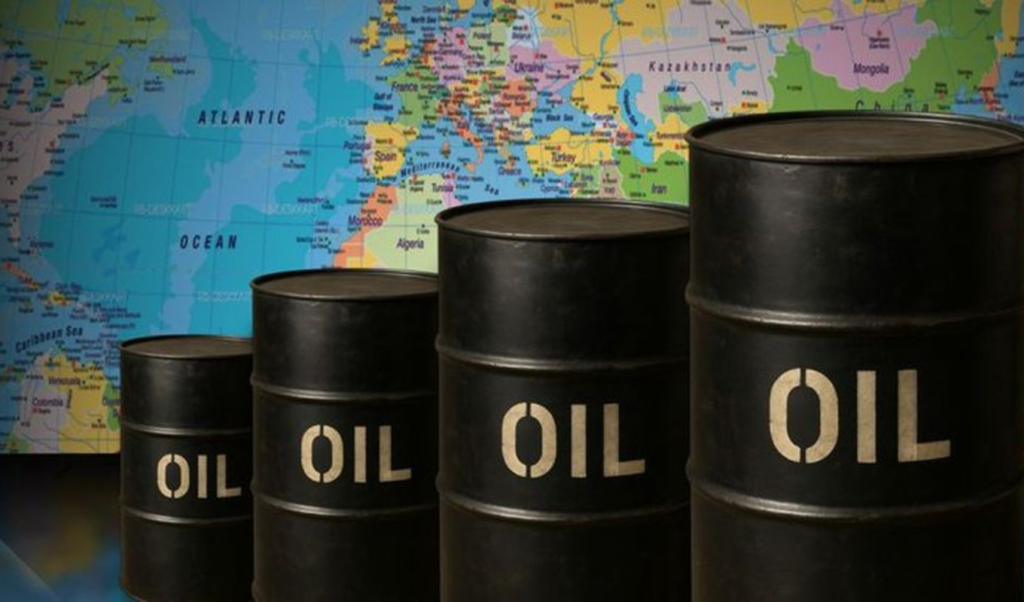
Global energy markets have reacted sharply to escalating military tensions in the Middle East, with crude oil prices surging following fresh American strikes against Iranian targets. The geopolitical friction has sparked widespread anxiety across international trading centres. Investors are increasingly worried that the conflict may not resolve swiftly, threatening prolonged disruptions through the critical shipping corridor of the Strait of Hormuz.
According to data compiled by the British news agency Reuters, international benchmark Brent crude rose by 78 cents, or roughly 1 per cent, to reach $78.80 per barrel by 12:54 am GMT. Simultaneously, the US benchmark, West Texas Intermediate (WTI) crude, ticked up by 74 cents, or 1.01 per cent, trading at $74.26 per barrel. This sudden upward movement underscores how sensitive global supply chains remain to sudden kinetic operations involving major state actors in the Gulf.
On the ground, the military situation has turned deadly. At least eight Iranian servicemen were killed during the early Wednesday morning bombardment orchestrated by American forces across southern Iran. The fatalities were officially confirmed by Iran’s state-run news agency, IRNA. According to their reports, the casualties occurred during targeted strikes on the coastal cities of Bandar Abbas and Bushehr, with the deceased identified as active personnel serving within the air and naval wings of the Iranian armed forces.
Tehran was quick to mount a retaliatory offensive against American interests in the region. The Islamic Revolutionary Guard Corps (IRGC) announced that it had launched a series of synchronized counter-strikes aimed directly at critical infrastructure inside US military facilities located in Kuwait and Bahrain.
In an official statement broadcasted on the state television network IRIB, the IRGC characterised the operation as the initial phase of a coordinated “punitive response” against Washington’s aggression. The counter-attack involved a joint deployment of missiles and drones by the IRGC’s naval and aerospace divisions. According to the paramilitary group, the primary targets included Camp Arifjan and the Ali Al Salem air base in Kuwait, alongside the Juffair naval facility and the Shaikh Isa air base in Bahrain. The intense exchange of fire has put regional security theatres on a knife-edge, jeopardising weeks of backchannel diplomatic negotiations.